


Gottfried Herrmann
Released Album
Vocal
-
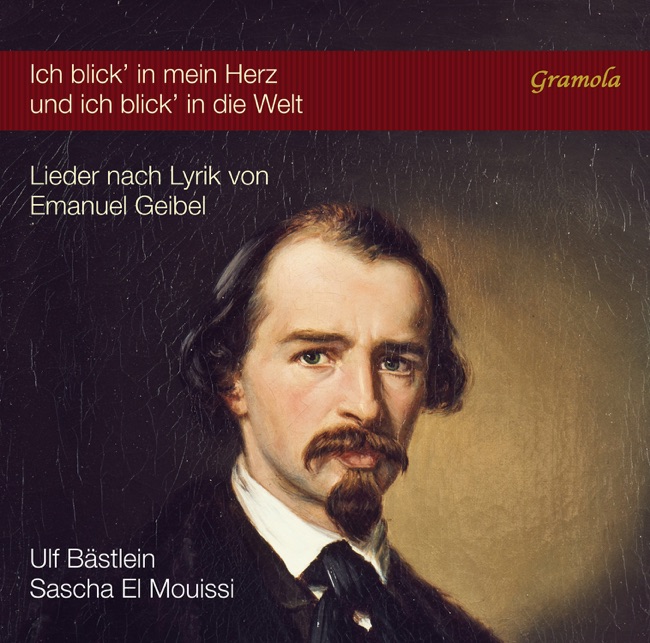
-
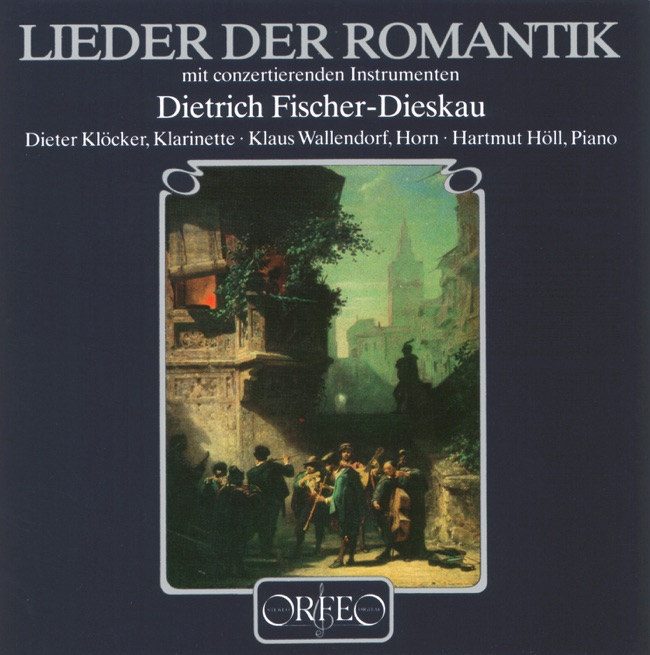 April 20, 1994
Artist Info
Role:ComposerCountry: GermanyBirth:May 15, 1808Death:June 6, 1878Period:RomanticGenre:VocalGottfried Herrmann was a German composer and music educator who lived from 1907 to 1971. He was born in the town of Breslau, which is now known as Wrocław and is located in modern-day Poland. Herrmann showed an early interest in music and began studying the piano at the age of six. He later studied composition with the renowned composer Paul Hindemith at the Berlin Academy of Music. Herrmann's early works were influenced by the neoclassical style of Hindemith and other composers of the time. He also drew inspiration from the music of Johann Sebastian Bach, whose works he studied extensively. Herrmann's compositions were characterized by their clarity of form and structure, as well as their use of counterpoint and polyphony. One of Herrmann's most notable works is his Symphony No. 1, which he composed in 1935. The symphony is in four movements and features a large orchestra. It is notable for its use of complex rhythms and harmonies, as well as its incorporation of folk melodies. The symphony was well-received by audiences and critics alike and helped establish Herrmann as a major figure in German music. During World War II, Herrmann served in the German army and was stationed in France. After the war, he returned to Germany and began teaching at the Berlin Academy of Music. He also continued to compose, and his works from this period reflect the influence of the avant-garde music of the time. One of Herrmann's most significant works from this period is his String Quartet No. 2, which he composed in 1950. The quartet is in four movements and features complex rhythms and harmonies, as well as the use of extended techniques such as glissandi and pizzicato. The quartet was well-received by critics and helped establish Herrmann as a leading figure in contemporary music. In addition to his work as a composer, Herrmann was also a respected music educator. He taught at the Berlin Academy of Music for many years and was known for his innovative teaching methods. He also wrote several books on music theory and composition, including "The Craft of Musical Composition" and "Counterpoint." Herrmann's later works were characterized by their use of serialism and other avant-garde techniques. One of his most notable works from this period is his Symphony No. 3, which he composed in 1960. The symphony is in three movements and features a large orchestra. It is notable for its use of serialism and other modernist techniques, as well as its incorporation of electronic sounds. Herrmann's contributions to the world of classical music were significant and enduring. His works helped establish him as a major figure in German music, and his innovative teaching methods influenced generations of musicians. Today, his music continues to be performed and studied by musicians and music lovers around the world.More....
Recent Artist Music
Copyright Ⓒ 2013 Davinci Finger. All rights reseved
Service Terms & Policy