


Hermann Krome
Artist Info
Role:ComposerHermann Krome was a German composer who lived from 1906 to 1988. He was born in the city of Leipzig, which was a hub of musical activity during his lifetime. Krome showed an early interest in music and began studying piano and composition at a young age. He went on to study at the Leipzig Conservatory, where he was mentored by the composer and conductor Felix Weingartner. Krome's early works were heavily influenced by the music of the Romantic era, particularly the works of Brahms and Wagner. He was also interested in the music of the Baroque period, and his compositions often incorporated elements of counterpoint and fugue. Krome's music was characterized by its rich harmonies, lyrical melodies, and complex textures. One of Krome's early successes was his Piano Concerto, which he composed in 1930. The concerto was well-received by audiences and critics alike, and it helped establish Krome as a rising star in the world of classical music. The piece was notable for its virtuosic piano writing and its lush orchestration. In the years that followed, Krome continued to compose prolifically, producing works in a variety of genres. He wrote symphonies, chamber music, choral works, and operas, among other things. One of his most famous works was his Symphony No. 2, which he composed in 1942. The symphony was notable for its use of folk melodies and its evocative depiction of the German countryside. Krome's music was often political in nature, reflecting the tumultuous times in which he lived. He was a vocal critic of the Nazi regime and used his music to express his opposition to their policies. One of his most powerful works in this regard was his oratorio, "The People's Will," which he composed in 1945. The piece was a response to the atrocities committed by the Nazis during World War II and was a call to action for the German people to resist tyranny and oppression. Despite his political views, Krome's music was widely admired and performed throughout Germany and beyond. He was awarded numerous honors and prizes for his work, including the National Prize of East Germany in 1950. Krome continued to compose until his death in 1988, leaving behind a rich legacy of music that continues to be performed and studied today. In conclusion, Hermann Krome was a prolific and influential composer who made significant contributions to the world of classical music. His music was characterized by its rich harmonies, lyrical melodies, and complex textures, and he was known for his use of folk melodies and political themes. Krome's works continue to be performed and studied today, and he remains an important figure in the history of German music.More....
Recent Artist Music
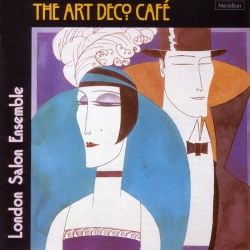
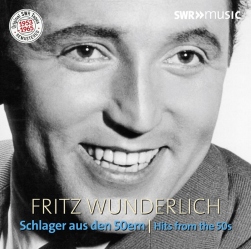
Copyright Ⓒ 2013 Davinci Finger. All rights reseved
Service Terms & Policy