


Carl Lorens
Released Album
Vocal
-
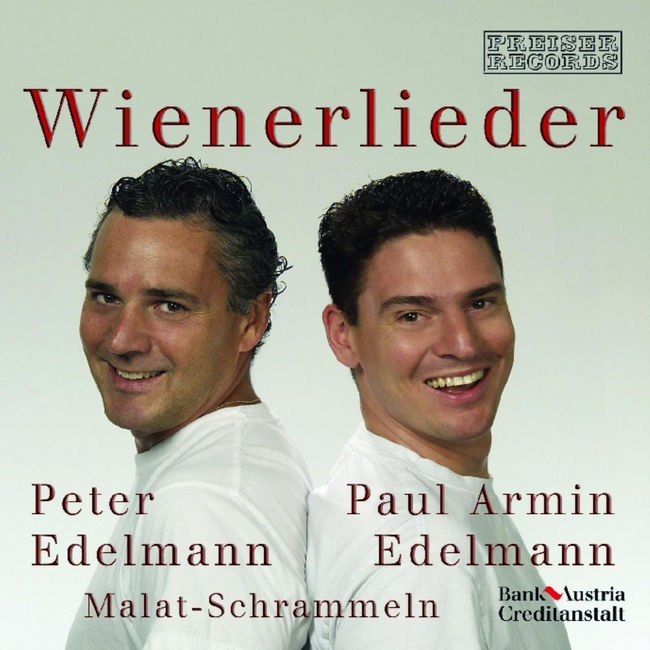 August 30, 2005
 -
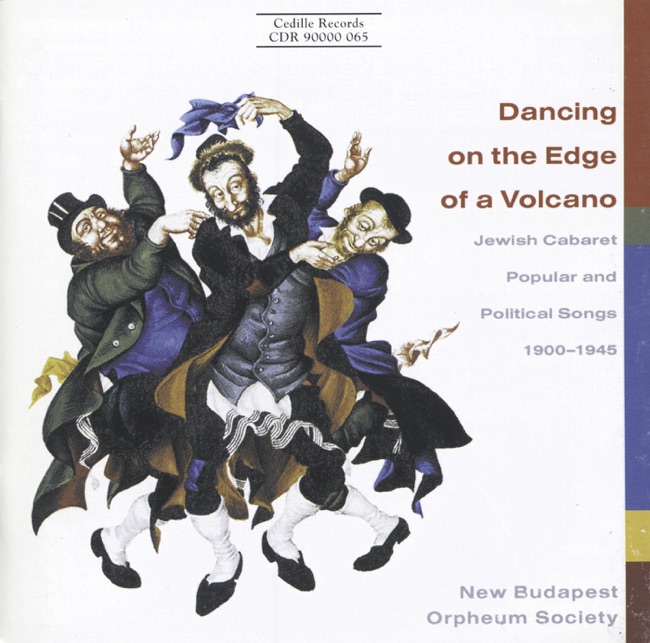
Artist Info
Role:ComposerBirth:1851Death:1909Genre:VocalCarl Lorens was a German composer born on January 15, 1829, in the city of Leipzig. He was the son of a music teacher and grew up in a musical family. His father recognized his son's musical talent at an early age and began teaching him the piano and violin. Carl showed great promise as a musician and began composing his own music at the age of 12. Lorens received his formal education at the Leipzig Conservatory, where he studied under the tutelage of some of the most prominent composers of the time, including Felix Mendelssohn and Robert Schumann. He was a diligent student and quickly gained a reputation as a talented composer. After completing his studies, Lorens began his career as a composer and conductor. He worked as a conductor in several German cities, including Berlin and Munich, and his compositions were performed by some of the most prestigious orchestras in Europe. Lorens' music was heavily influenced by the Romantic era, and he was known for his use of rich harmonies and complex melodies. His compositions were often described as emotional and expressive, and he was praised for his ability to convey deep feelings through his music. One of Lorens' most famous works is his Symphony No. 1 in D minor, which was composed in 1856. The symphony is a powerful and emotional work that showcases Lorens' skill as a composer. It is a four-movement piece that begins with a slow and mournful introduction before moving into a lively and energetic first movement. The second movement is a beautiful and lyrical adagio, while the third movement is a lively scherzo. The symphony concludes with a powerful and triumphant finale. Another notable work by Lorens is his Piano Concerto No. 1 in A minor, which was composed in 1862. The concerto is a virtuosic work that showcases the soloist's technical abilities. It is a three-movement piece that begins with a dramatic and powerful introduction before moving into a lyrical and expressive first movement. The second movement is a beautiful and delicate adagio, while the third movement is a lively and energetic finale. Lorens also composed several chamber music works, including his String Quartet No. 1 in E minor, which was composed in 1868. The quartet is a beautiful and expressive work that showcases Lorens' skill as a composer. It is a four-movement piece that begins with a slow and mournful introduction before moving into a lively and energetic first movement. The second movement is a beautiful and lyrical adagio, while the third movement is a lively scherzo. The quartet concludes with a powerful and triumphant finale. Throughout his career, Lorens was recognized as one of the most talented composers of his time. He received numerous awards and honors for his work, including the prestigious Order of Merit from the German government. He continued to compose music until his death on June 12, 1899, in Munich, Germany. In conclusion, Carl Lorens was a talented and influential composer who made significant contributions to the world of classical music. His music was emotional and expressive, and he was praised for his ability to convey deep feelings through his compositions. His works continue to be performed and admired by musicians and music lovers around the world.More....
Recent Artist Music
Copyright Ⓒ 2013 Davinci Finger. All rights reseved
Service Terms & Policy