


Moritz Hauptmann
Released Album
Choral
-
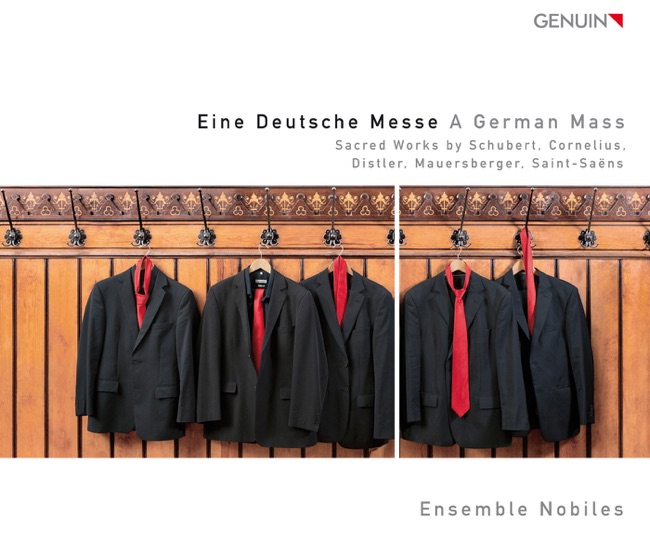 June 26, 2012
 -
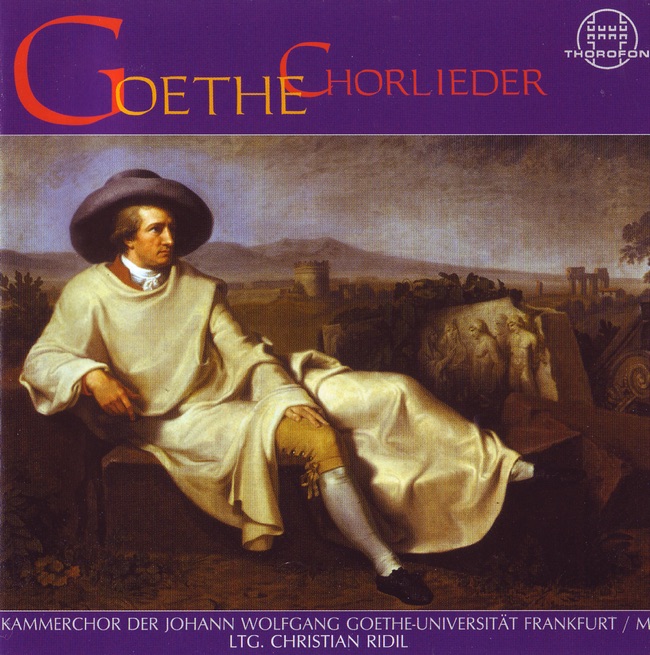 August 19, 2008
 -
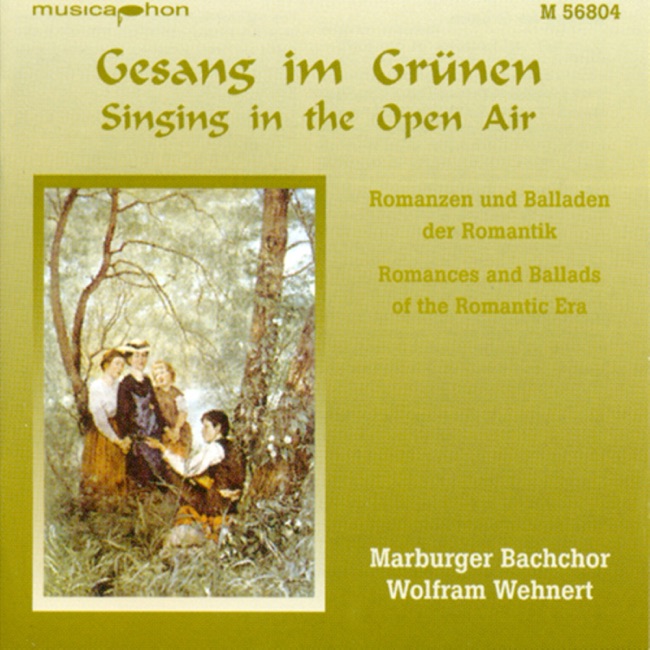 September 9, 2000
Band
-
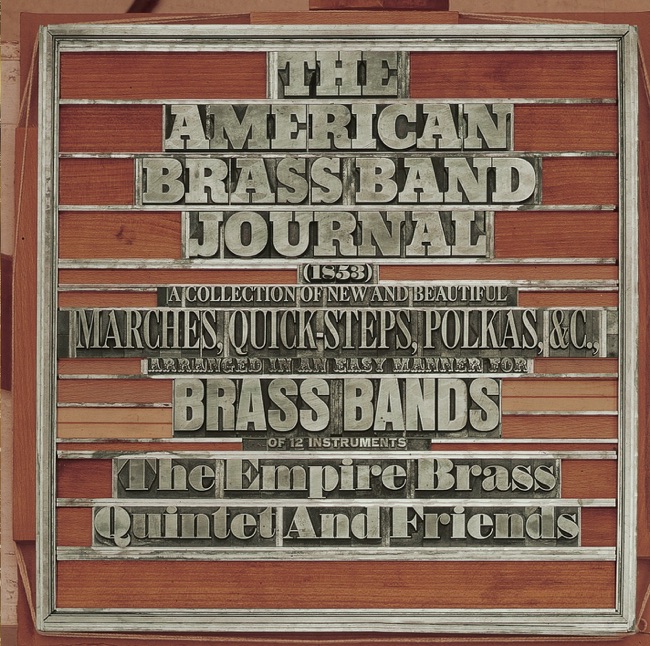 August 30, 2005
Artist Info
Role:ComposerBirth:October 13, 1792Death:January 3, 1868Period:RomanticGenre:ChoralVocalMoritz Hauptmann was a German composer, conductor, and music theorist who lived from 13 October 1792 to 3 January 1868. He was born in Dresden, Germany, to a family of musicians. His father, Johann Gottfried Hauptmann, was a composer and music director at the Dresden Court, and his mother, Christiane Sophie, was a singer. Moritz Hauptmann showed an early interest in music and began his musical education at the age of six. Hauptmann's musical education began with his father, who taught him the basics of music theory and composition. He then studied with Johann Nepomuk Hummel, a renowned pianist and composer, and later with Johann Gottfried Schicht, a composer and conductor. In 1812, Hauptmann moved to Leipzig to study at the Leipzig Conservatory, where he studied composition with Johann Heinrich Buttstedt and Johann Nepomuk Schelble. After completing his studies, Hauptmann worked as a music teacher and conductor in various cities in Germany. In 1826, he was appointed the music director of the Gewandhaus Orchestra in Leipzig, a position he held until 1842. During his tenure, he conducted many premieres of works by Felix Mendelssohn, who was the conductor of the Leipzig Gewandhaus Orchestra from 1835 to 1847. Hauptmann and Mendelssohn became close friends, and Mendelssohn dedicated his String Quartet No. 6 in F minor, Op. 80, to Hauptmann. Hauptmann was also a prolific composer, although his works are not as well-known as those of his contemporaries. He composed in a variety of genres, including symphonies, chamber music, choral music, and opera. His music is characterized by its clarity, elegance, and formal structure, and it shows the influence of the Classical and early Romantic styles. One of Hauptmann's most famous works is his Symphony in B-flat major, Op. 11, which he composed in 1819. The symphony is in four movements and shows the influence of Haydn and Mozart. It is notable for its clear and concise melodies, its balanced structure, and its use of counterpoint. The symphony was well-received when it was first performed, and it remains one of Hauptmann's most popular works. Hauptmann also composed a number of chamber music works, including string quartets, piano trios, and sonatas. His String Quartet No. 1 in C minor, Op. 10, is a particularly fine example of his chamber music. The quartet is in four movements and shows the influence of Beethoven and Schubert. It is notable for its dramatic contrasts, its use of chromaticism, and its expressive melodies. In addition to his instrumental music, Hauptmann also composed a number of choral works. His oratorio, Die letzten Dinge (The Last Things), Op. 61, is one of his most famous choral works. The oratorio is in three parts and tells the story of the Last Judgment. It is notable for its dramatic choral writing, its use of soloists, and its powerful orchestration. Hauptmann was also a respected music theorist and wrote several books on music theory and composition. His most famous work is his Die Natur der Harmonik und Metrik (The Nature of Harmony and Meter), which was published in 1853. The book is a comprehensive study of harmony and meter and is notable for its clear and concise explanations of complex musical concepts. In conclusion, Moritz Hauptmann was a talented composer, conductor, and music theorist who made significant contributions to the development of classical music in the 19th century.More....
Recent Artist Music
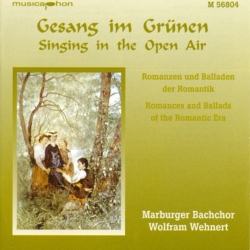
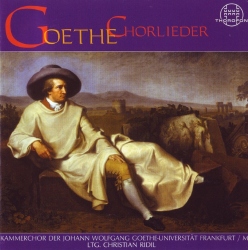

Copyright Ⓒ 2013 Davinci Finger. All rights reseved
Service Terms & Policy