


Christian Frederik Emil Horneman
Released Album
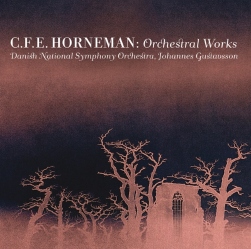
Orchestral
-
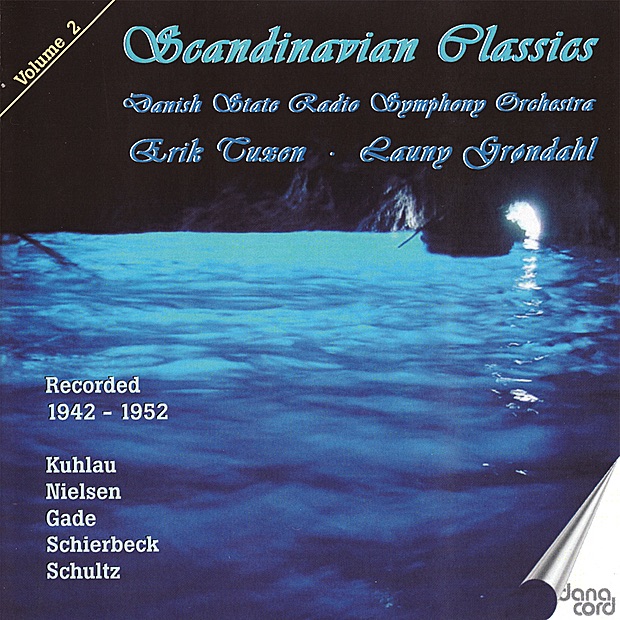 May 11, 2010
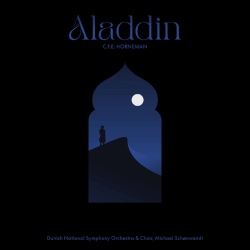
Opera
-
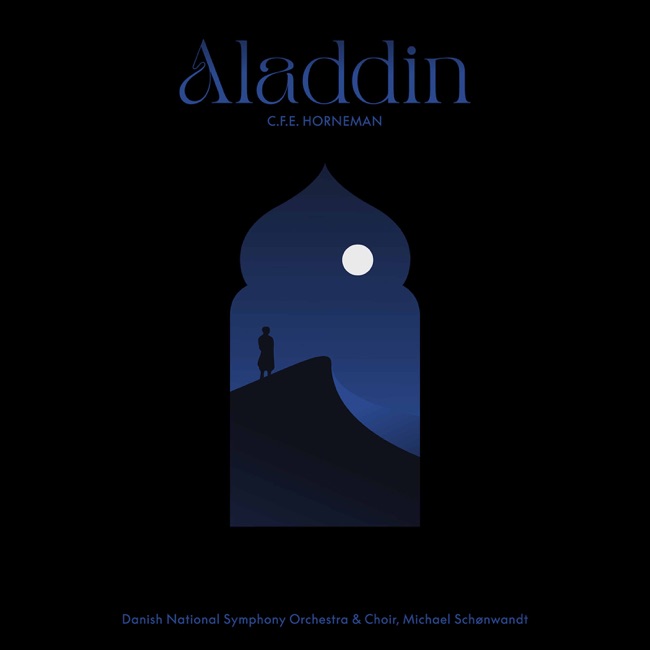 April 15, 2022
 -
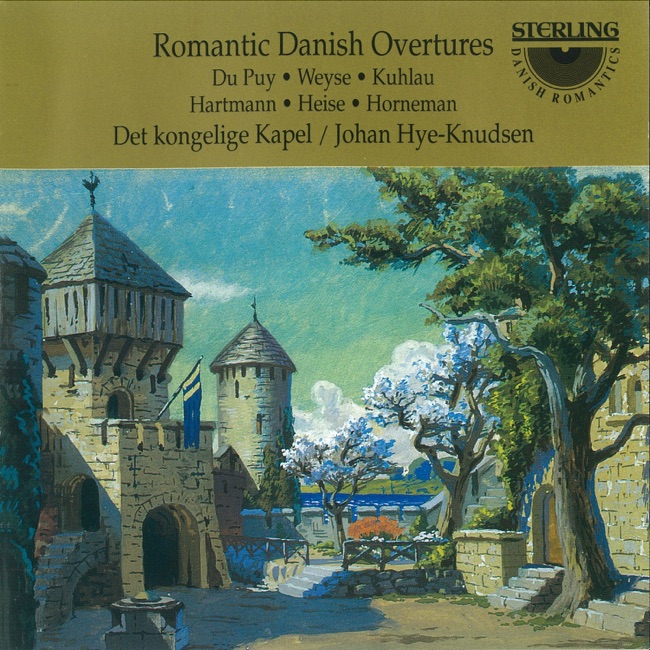 June 18, 1996
Artist Info
Role:ComposerCountry: DenmarkBirth:December 17, 1840Death:June 8, 1906Period:RomanticGenre:OperaOrchestralChristian Frederik Emil Horneman was a Danish composer born on July 21, 1840, in Copenhagen, Denmark. He was the son of composer and conductor C.F.E. Horneman and the brother of composer and pianist August Horneman. His father was a prominent figure in the Danish music scene, and his influence played a significant role in shaping Christian's musical career. Christian Horneman began his musical education at an early age, studying piano and composition with his father. He showed great promise as a composer, and at the age of 16, he was accepted into the Royal Danish Academy of Music in Copenhagen. There, he studied composition with Niels Gade, one of Denmark's most prominent composers at the time. Horneman's early works were heavily influenced by the Romantic style of his father and Gade. His first major composition, the Symphony in C minor, was completed in 1861 when he was just 21 years old. The symphony was well-received and established Horneman as a promising young composer. In 1863, Horneman traveled to Germany to study with the renowned composer Franz Liszt. Liszt was impressed with Horneman's talent and encouraged him to continue composing. Horneman's time with Liszt had a significant impact on his musical style, and he began to incorporate more virtuosic piano writing and dramatic orchestration into his works. Horneman's most famous work is his opera, Gurre, which he began composing in 1872. The opera is based on a Danish legend about a king who falls in love with a swan maiden. The story is filled with supernatural elements, and Horneman's music captures the mystical and otherworldly atmosphere of the tale. The opera was not completed until 1913, several years after Horneman's death, but it has since become a staple of the Danish operatic repertoire. In addition to his opera, Horneman composed a number of orchestral works, including several symphonies and overtures. His Symphony No. 2, completed in 1878, is particularly notable for its use of Danish folk melodies. Horneman was a strong advocate for the use of nationalistic elements in music, and his incorporation of Danish folk music into his works was a reflection of this belief. Horneman also composed a significant amount of chamber music, including string quartets, piano trios, and sonatas. His chamber music is characterized by its lyrical melodies and intricate harmonies. Horneman was a skilled pianist himself, and his piano writing is particularly virtuosic and demanding. Despite his talent and early success, Horneman struggled to gain recognition outside of Denmark. He was overshadowed by his father and brother, both of whom were more well-known in their lifetimes. Horneman's music was also somewhat out of step with the prevailing trends of the time, which favored more experimental and avant-garde styles. Horneman died on November 29, 1906, in Copenhagen, at the age of 66. He left behind a significant body of work that has since been rediscovered and appreciated by modern audiences. His music is characterized by its Romantic lyricism, nationalistic elements, and virtuosic piano writing. Horneman's legacy as a composer has been overshadowed by his more famous contemporaries, but his contributions to Danish music are significant and enduring.More....
Recent Artist Music
1

4:45
6
5:39
Copyright Ⓒ 2013 Davinci Finger. All rights reseved
Service Terms & Policy