


Leon Kirchner
Released Album
Chamber
-
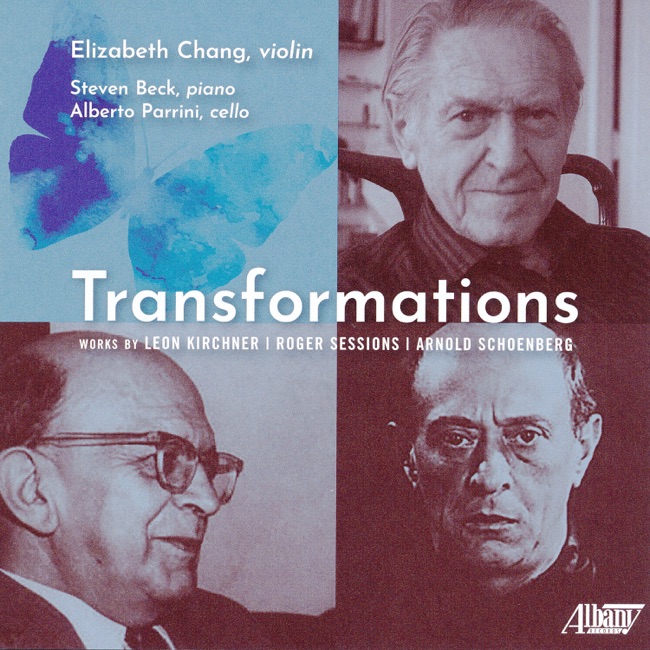
-
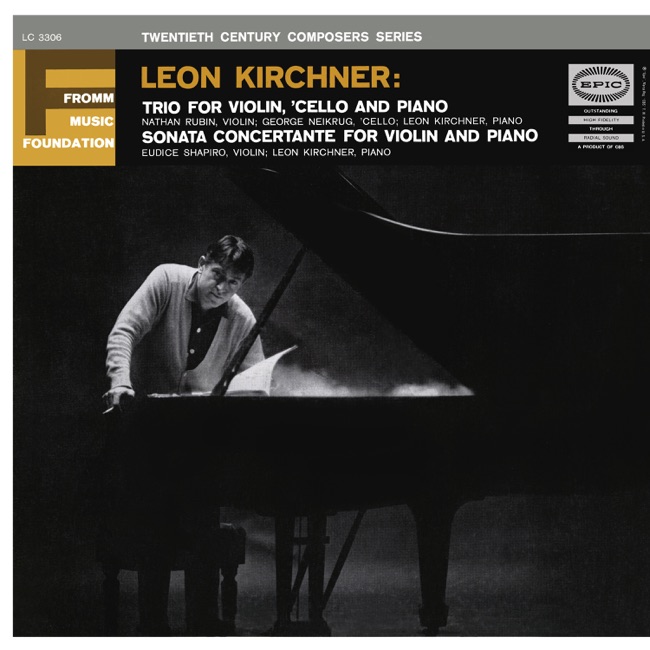 April 24, 2020
 -
 October 26, 2018
 -
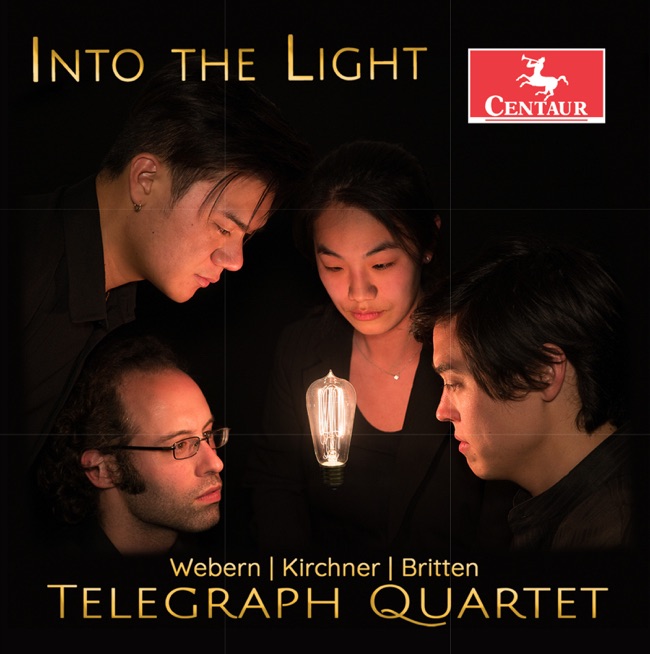 September 7, 2018
 -
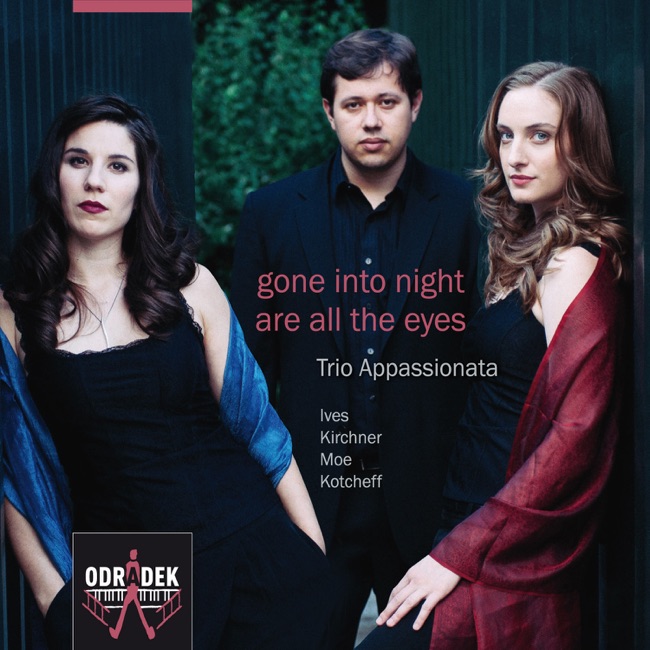 November 4, 2014
 -
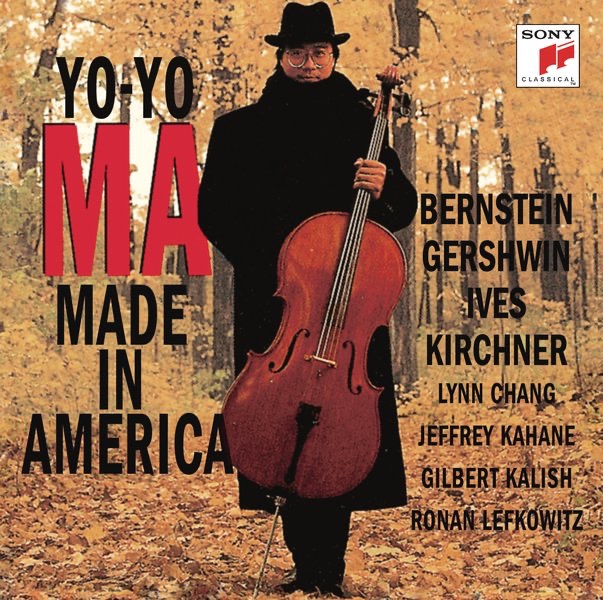 July 12, 2011
Keyboard
-
 July 8, 2014
 -
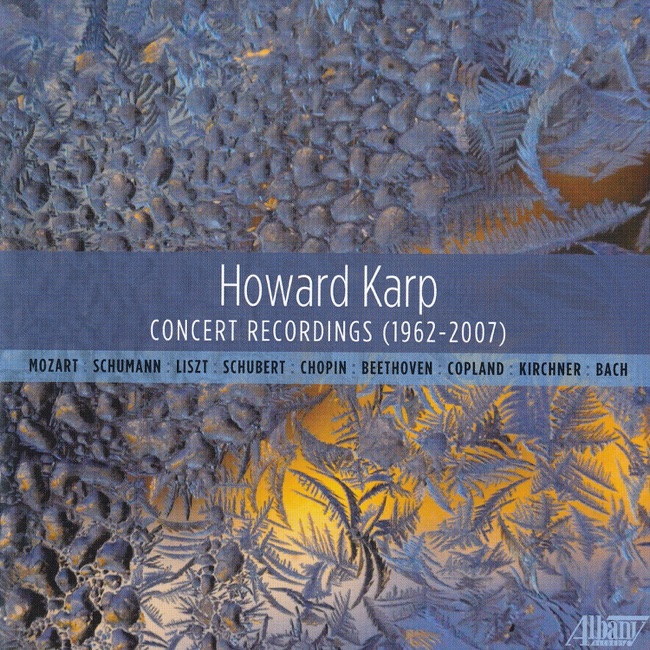 May 1, 2014
 -
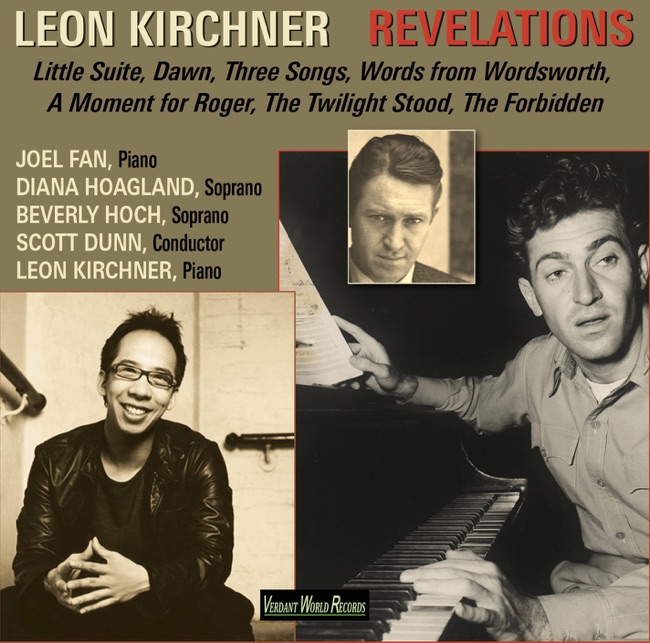 January 24, 2013
 -
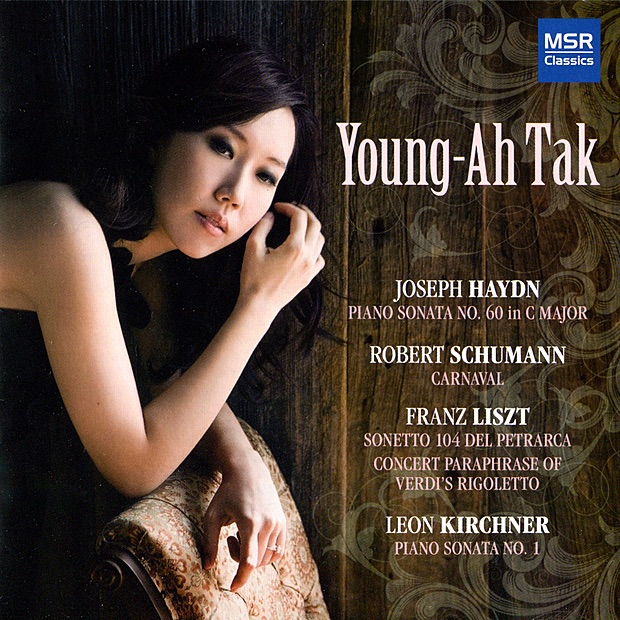
-
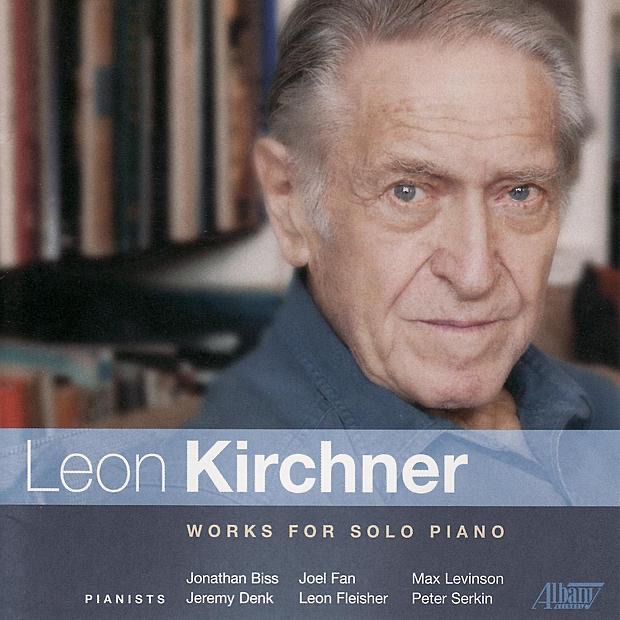 March 13, 2007
 -
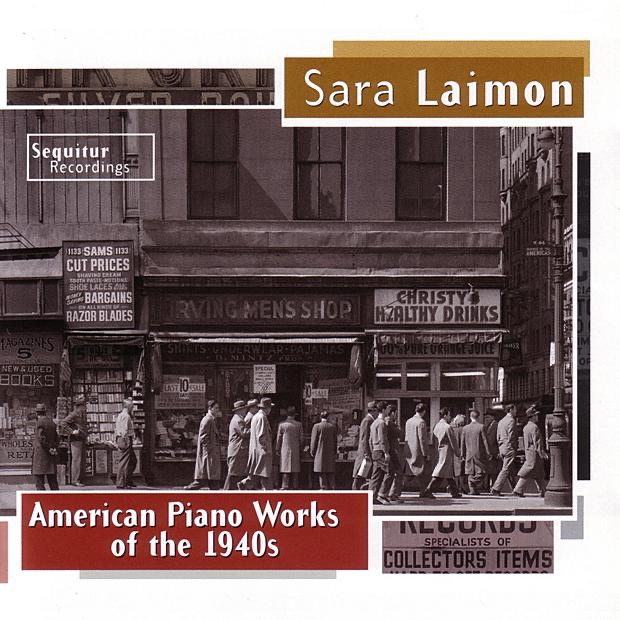 August 31, 2004
Orchestral
-
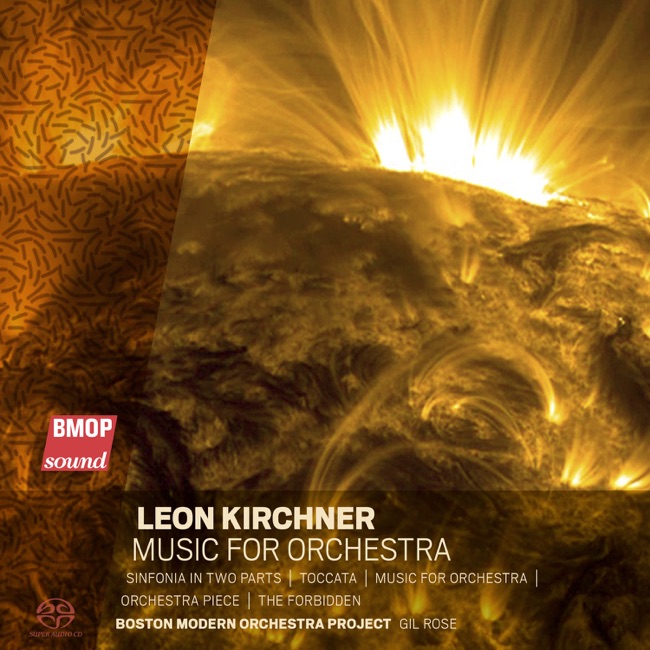 November 13, 2018
 -
-
 February 10, 2014
 -
 February 10, 2014
 -
Concerto
-
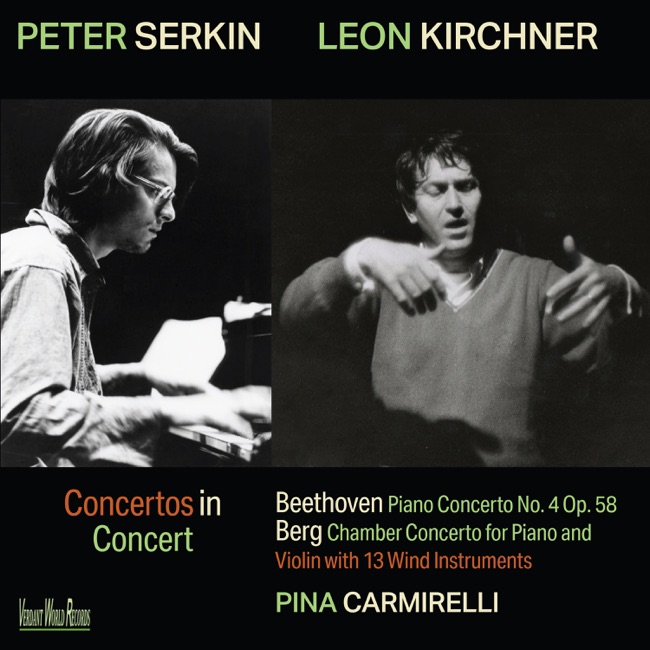 April 3, 2020
 -
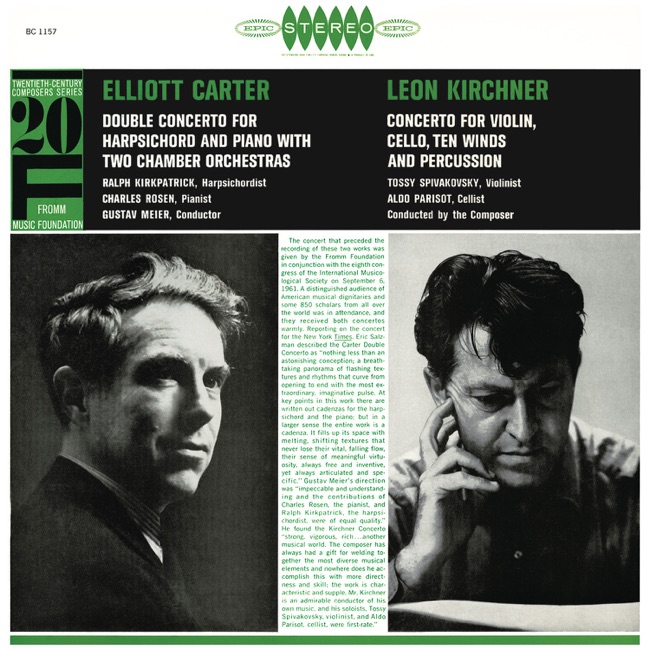
-
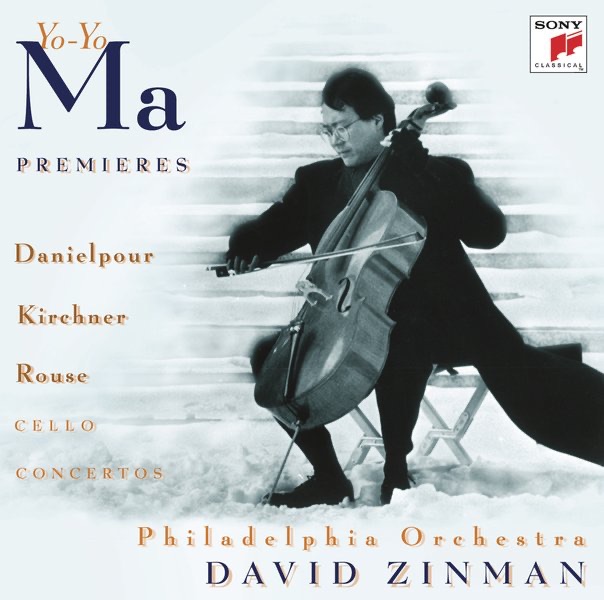 January 17, 2012
 -
 June 14, 2011
Artist Info
Role:Composer ConductorBirth:January 24, 1919 in Brooklyn, NYDeath:September 17, 2009 in New York City, NYPeriod:ContemporaryGenre:Avant-GardeChamberKeyboardLeon Kirchner was an American composer and pianist who was born on January 24, 1919, in Brooklyn, New York. He was the youngest of three children born to Jewish immigrants from Eastern Europe. His father was a tailor, and his mother was a homemaker. Kirchner showed an early interest in music and began playing the piano at the age of six. He attended the High School of Music and Art in New York City, where he studied composition with Frederick Jacobi and piano with Olga Samaroff. After graduating from high school, Kirchner attended the Curtis Institute of Music in Philadelphia, where he studied composition with Rosario Scalero and piano with Rudolf Serkin. He received his Bachelor of Music degree in 1941 and his Master of Music degree in 1942. During World War II, Kirchner served in the United States Army, where he played the piano in a military band. After the war, Kirchner returned to New York City and began his career as a composer. He was awarded a Guggenheim Fellowship in 1949, which allowed him to travel to Europe and study with the renowned composer and teacher Nadia Boulanger in Paris. Kirchner's early works were influenced by the neoclassical style of Stravinsky and the twelve-tone technique of Schoenberg. His music was characterized by its rhythmic vitality, harmonic complexity, and emotional intensity. In 1954, Kirchner joined the faculty of the University of California, Berkeley, where he taught composition for over 30 years. He also served as the director of the university's electronic music studio and was a founding member of the San Francisco Contemporary Music Players. Kirchner's teaching had a profound influence on a generation of American composers, including John Adams, John Harbison, and Stephen Sondheim. Kirchner's compositions from the 1950s and 1960s include several works for orchestra, including his Symphony No. 1 (1954), Concerto for Violin and Orchestra (1958), and Music for Orchestra (1961). These works are characterized by their complex rhythms, dissonant harmonies, and virtuosic solo writing. Kirchner also wrote several chamber works during this period, including his String Quartet No. 1 (1951) and Trio for Piano, Violin, and Cello (1964). In the 1970s, Kirchner's music became more introspective and expressive. He began to incorporate elements of jazz and popular music into his compositions, as well as electronic sounds and extended techniques. His works from this period include his String Quartet No. 3 (1973), Duo for Violin and Piano (1976), and Music for Cello and Orchestra (1978). Kirchner's later works include his Piano Concerto No. 2 (1987), which was commissioned by the Boston Symphony Orchestra and premiered by pianist Peter Serkin, and his String Quartet No. 4 (1991), which was commissioned by the Emerson String Quartet. These works are characterized by their lyrical melodies, rich harmonies, and virtuosic instrumental writing. Kirchner received numerous awards and honors during his career, including the Pulitzer Prize for Music in 1967 for his String Quartet No. 3. He was also a member of the American Academy of Arts and Letters and the American Academy of Arts and Sciences. Kirchner continued to compose and perform music until his death on September 17, 2009, at the age of 90. In conclusion, Leon Kirchner was a prolific and influential American composer who made significant contributions to the development of contemporary classical music.More....
Recent Artist Music
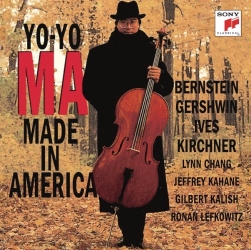
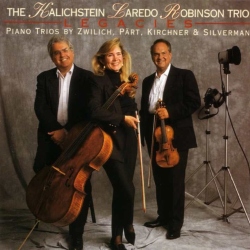
3
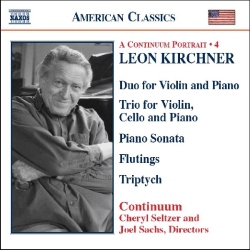
11:16
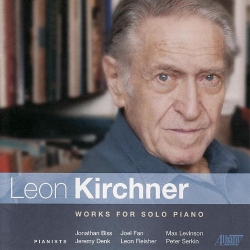

15
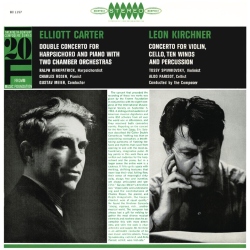
Concerto for violin, cello, 10 winds & percussion
Concerto for Violin, Cello, 10 Winds and Percussion
18:20
Copyright Ⓒ 2013 Davinci Finger. All rights reseved
Service Terms & Policy