


Guido
Released Album
Vocal
-
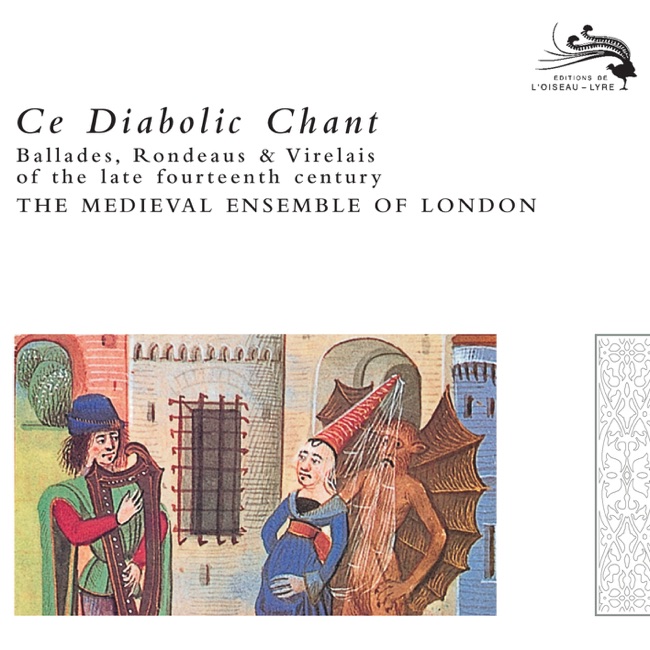
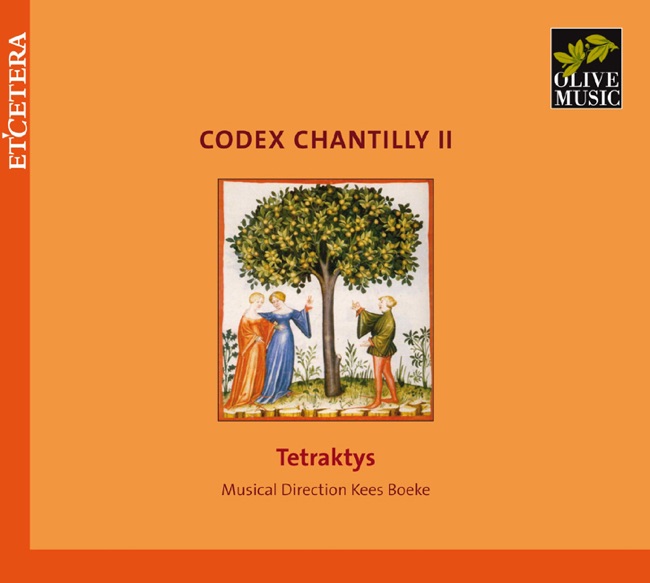 September 19, 2011
 -
Artist Info
Role:ComposerCountry: FranceBirth:ca. 1330 in FranceDeath:after 1380 in FrancePeriod:MedievalGenre:VocalGuido of Arezzo, also known as Guido Aretinus, was a medieval music theorist and composer who lived in the 11th century. He is best known for his contributions to the development of musical notation, particularly the invention of the staff and the solfeggio system. Guido was born in the town of Arezzo, in Tuscany, Italy, around the year 991. Little is known about his early life, but it is believed that he received his education at the Benedictine monastery of Pomposa, near Ferrara. There, he studied the liberal arts, including music, and became a monk. Guido's interest in music led him to develop new methods of teaching and notation. At the time, music was primarily transmitted orally, and there was no standardized system of notation. Guido's innovations helped to make music more accessible and easier to learn. One of Guido's most important contributions was the invention of the staff, a system of horizontal lines that represent different pitches. The staff allowed musicians to notate melodies more accurately and to communicate them more effectively. Guido also developed a system of solmization, or solfeggio, in which each note of the scale is assigned a syllable. This system, which is still used today, makes it easier for singers to learn and remember melodies. Guido's innovations were not immediately accepted by the musical establishment of his time. Some musicians saw his methods as a threat to traditional ways of learning and performing music. However, Guido's ideas gradually gained acceptance, and his influence can be seen in the development of Western music over the centuries. In addition to his work as a music theorist, Guido was also a composer. Unfortunately, very few of his compositions have survived, and it is difficult to assess his musical style and technique. However, some of his works are mentioned in contemporary sources, and they suggest that he was a skilled and innovative composer. One of Guido's most famous compositions is the hymn "Ut queant laxis," which is still sung today as the basis for the solfeggio system. The hymn is dedicated to John the Baptist and is said to have been written by Paulus Diaconus, a Lombard monk, in the 8th century. Guido added the syllables to the notes of the hymn, creating the solfeggio system that is still used today. Guido's other compositions include a number of hymns and antiphons, as well as a treatise on music theory called the Micrologus. The Micrologus is a comprehensive guide to music notation, performance, and composition, and it was widely read and studied in the Middle Ages. Guido died in the early 11th century, but his legacy lived on. His innovations in music notation and teaching methods helped to lay the foundation for Western music as we know it today. His solfeggio system is still used by musicians around the world, and his ideas about music theory and composition continue to inspire new generations of musicians. In conclusion, Guido of Arezzo was a pioneering music theorist and composer who made significant contributions to the development of Western music. His innovations in notation and teaching methods helped to make music more accessible and easier to learn, and his solfeggio system is still used by musicians today. Although few of his compositions have survived, his influence on the development of Western music is undeniable. Guido's legacy is a testament to the power of innovation and creativity in the arts.More....
Recent Artist Music
Copyright Ⓒ 2013 Davinci Finger. All rights reseved
Service Terms & Policy