


Franz Xaver Murschhauser
Released Album
Keyboard
-
 May 25, 2010
 -
-
 July 29, 1992
 -
Choral
-
 November 16, 2018
 -
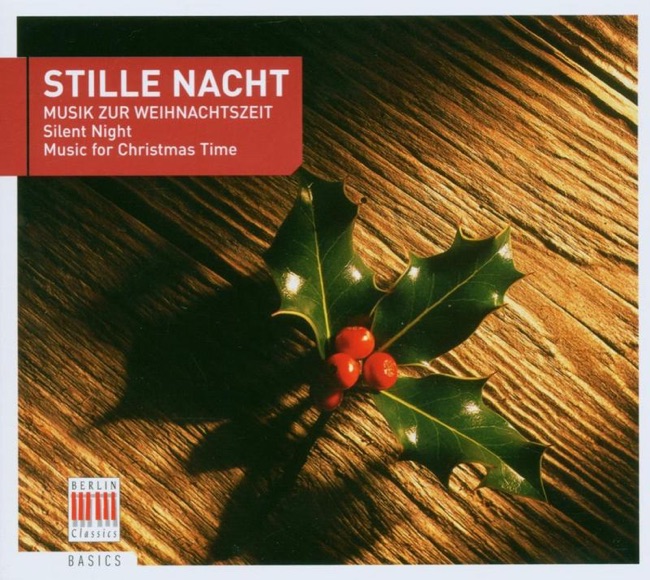 November 6, 2006
 -
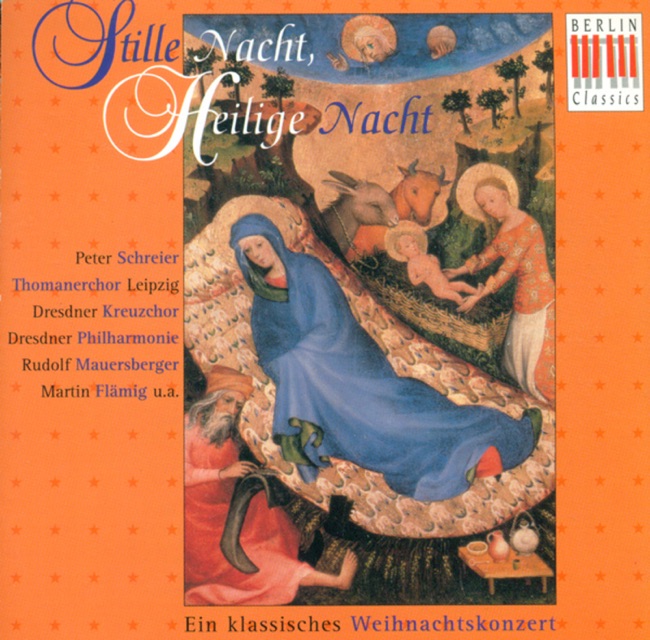
Artist Info
Role:ComposerCountry: GermanyBirth:July 1, 1663Death:January 6, 1738Period:BaroqueGenre:KeyboardFranz Xaver Murschhauser was a German composer and musician who lived during the Baroque period. He was born on August 17, 1663, in Munich, Germany, to a family of musicians. His father, Johann Kaspar Murschhauser, was a court musician, and his mother, Maria Magdalena, was a singer. Franz Xaver was the youngest of their six children. Franz Xaver showed an early interest in music and began his musical education at a young age. He studied with his father and other local musicians, and by the age of 14, he was already performing in public. In 1681, he was appointed as a court musician in Munich, where he worked for the rest of his life. Murschhauser was a prolific composer, and his works include operas, oratorios, cantatas, and instrumental music. He was particularly known for his sacred music, which was highly regarded during his lifetime. His music was influenced by the Italian Baroque style, which was popular in Germany at the time. One of Murschhauser's most famous works is his oratorio "Der verlorene Sohn" (The Prodigal Son), which was first performed in 1699. The oratorio tells the story of the prodigal son from the Bible and features arias, recitatives, and choruses. The work was well-received and was performed throughout Germany during Murschhauser's lifetime. Murschhauser also composed a number of cantatas, which were typically performed during church services. His cantatas were known for their expressive melodies and intricate harmonies. One of his most famous cantatas is "Mein Herz ist bereit" (My Heart is Ready), which was first performed in 1701. The cantata features a solo soprano and a small ensemble and is based on a psalm from the Bible. In addition to his vocal music, Murschhauser also composed a number of instrumental works, including sonatas and suites. His instrumental music was characterized by its lively rhythms and virtuosic passages. One of his most famous instrumental works is his Sonata in D major for trumpet and strings, which was first performed in 1705. The sonata features a solo trumpet and a small string ensemble and is known for its brilliant trumpet writing. Murschhauser was also known for his skill as an organist and harpsichordist. He often performed his own music on these instruments and was highly regarded for his improvisational skills. He was also a respected music teacher and taught a number of students, including his own son, Johann Baptist Murschhauser. Despite his success as a composer and musician, Murschhauser's life was not without its challenges. He suffered from poor health throughout his life and was often in debt. He also experienced personal tragedy when his wife and two of his children died in a fire in 1704. Murschhauser continued to compose and perform until his death on August 30, 1738, in Munich. He was buried in the church of St. Michael in Munich, where he had served as a court musician for over 50 years. Today, Murschhauser's music is still performed and recorded by musicians around the world. His works are known for their expressive melodies, intricate harmonies, and virtuosic instrumental writing. He is remembered as one of the most important composers of the German Baroque period and as a skilled musician and teacher.More....
Recent Artist Music

4
1:29
5
2:21
8
8:5
9
5:44
10
2:20
Copyright Ⓒ 2013 Davinci Finger. All rights reseved
Service Terms & Policy