


Emil Frantisek Burian
Released Album
Orchestral
-
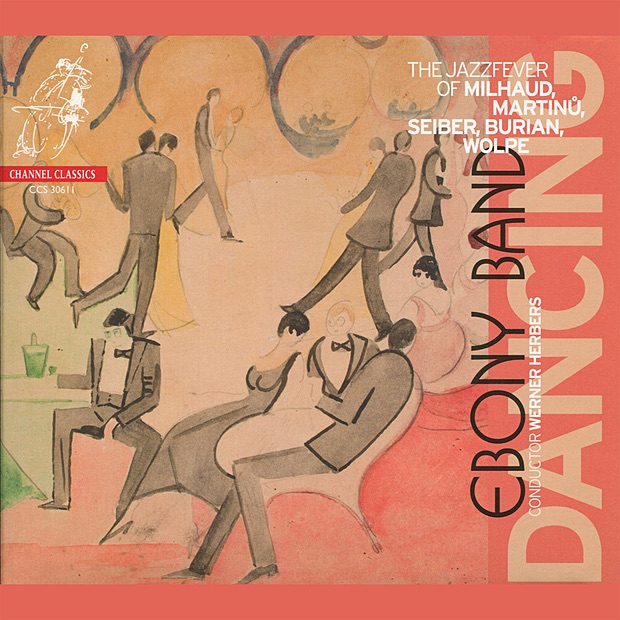 September 19, 2011
Artist Info
Role:ComposerCountry: Czech RepublicBirth:April 11, 1904 in PlzenDeath:August 9, 1959 in Prague, Czech RepublicPeriod:ModernGenre:ChamberKeyboardEmil Frantisek Burian was a Czech composer, conductor, and theatre director who made significant contributions to the world of classical music. He was born on June 11, 1904, in Plzen, Czech Republic, and grew up in a family of musicians. His father was a conductor, and his mother was a singer, which exposed him to music from an early age. Burian began his musical education at the Prague Conservatory, where he studied composition with Josef Bohuslav Foerster and conducting with Vaclav Talich. He also studied philosophy and aesthetics at Charles University in Prague. After completing his studies, he worked as a conductor and composer in various theatres in Prague. In 1927, Burian founded the D34 Theatre, which became one of the most important avant-garde theatres in Europe. He was the artistic director of the theatre and composed music for many of its productions. The D34 Theatre was known for its innovative productions that combined music, dance, and theatre. Burian's music was an integral part of these productions, and he experimented with different styles and techniques to create a unique sound. Burian's early works were influenced by the music of his contemporaries, such as Igor Stravinsky and Arnold Schoenberg. However, he soon developed his own style, which was characterized by a fusion of classical and modern elements. His music was often complex and challenging, but it was also highly expressive and emotional. One of Burian's most significant works is his opera "The Excursions of Mr. Broucek," which he composed in 1928. The opera is based on a satirical novel by Jaroslav Hasek and tells the story of a Prague citizen who travels through time and space. The opera was a huge success and was performed in many theatres throughout Europe. Burian continued to compose music for the theatre throughout his career and wrote music for over 200 productions. He also worked as a conductor and led many orchestras, including the Czech Philharmonic Orchestra. In addition to his work in the theatre, Burian also composed orchestral and chamber music, including several symphonies and string quartets. Burian's music was banned by the Nazi regime during World War II, and he was forced to go into hiding. After the war, he returned to Prague and continued to work as a composer and conductor. He also founded the Theatre on the Balustrade, which became one of the most important theatres in Czechoslovakia. In the 1950s, Burian's music was again banned, this time by the communist regime. He was accused of being a formalist and was forced to stop composing. However, he continued to work as a theatre director and wrote several books on theatre and music. Burian died on August 9, 1959, in Prague, Czechoslovakia. His legacy as a composer and theatre director continues to be celebrated today, and his music is still performed in theatres and concert halls around the world.More....
Recent Artist Music
Copyright Ⓒ 2013 Davinci Finger. All rights reseved
Service Terms & Policy