


Adam Carse
Released Album
Orchestral
-
 July 25, 2020
 -

-
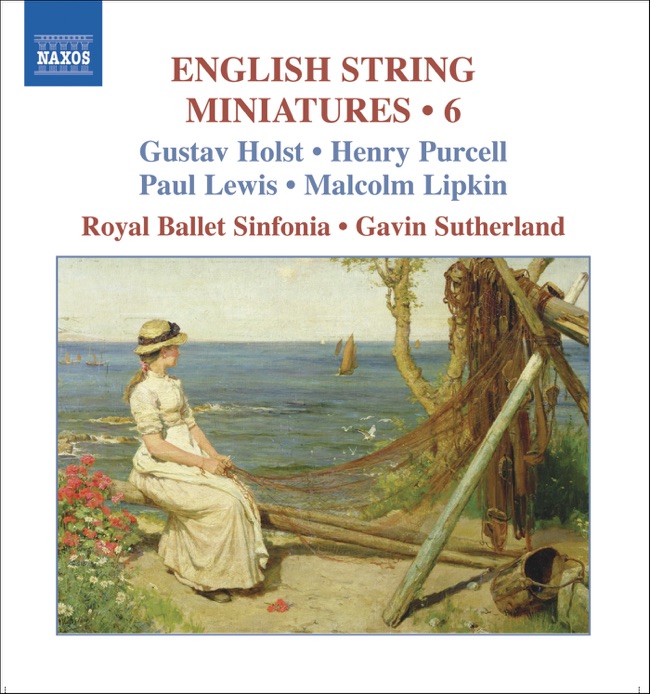 September 26, 2006
 -
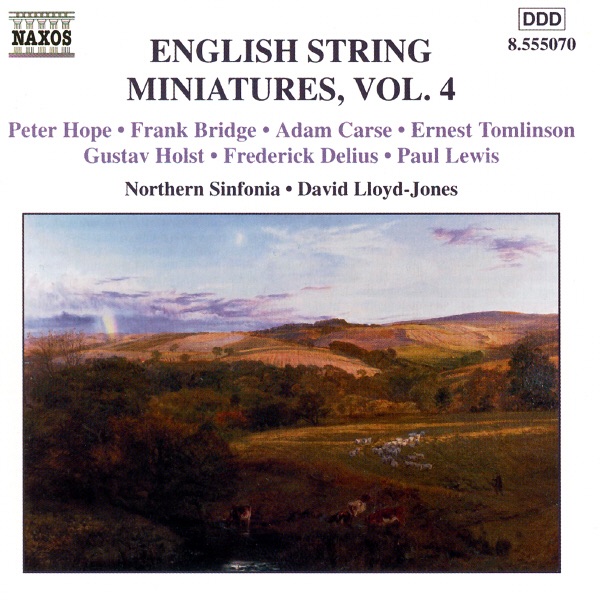 April 16, 2002
Chamber
-
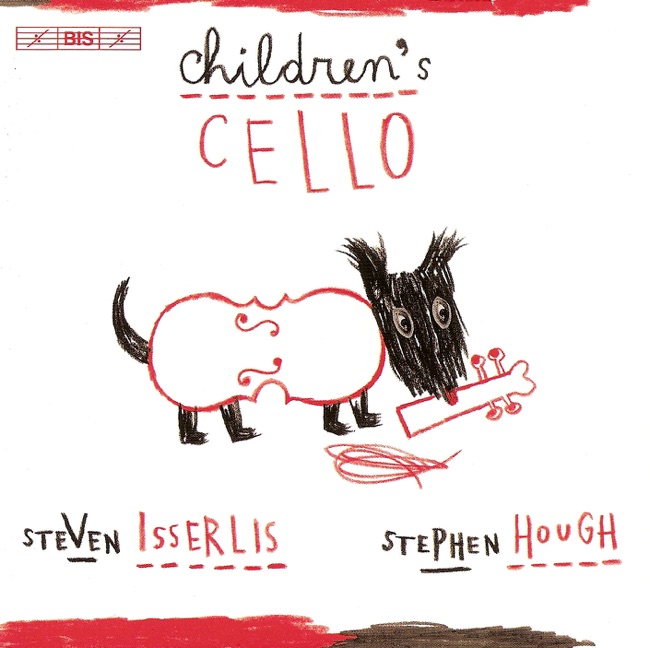 May 23, 2006
 -
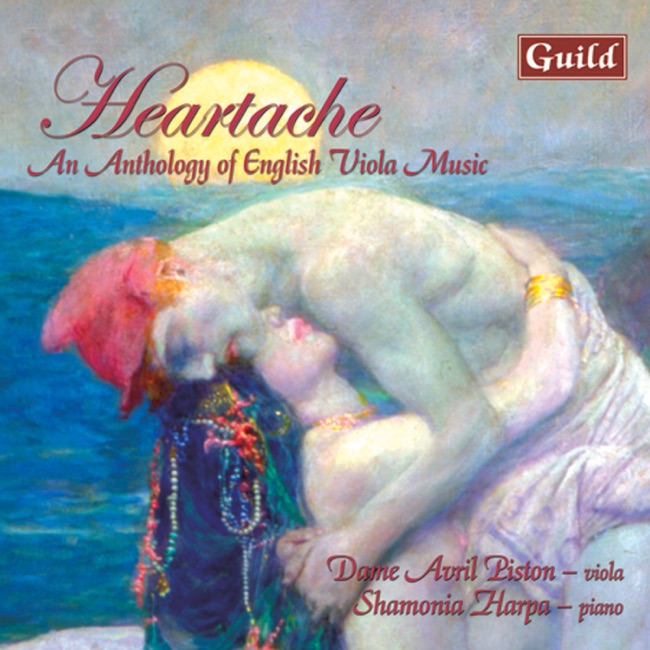 August 31, 2004
Artist Info
Role:ComposerCountry: United KingdomBirth:1878 in Newcastle Upon Tyne, EnglandDeath:1958Period:RomanticModernGenre:ChamberOrchestralAdam Carse was a British composer, musicologist, and violinist who was born on August 31, 1878, in Kingston upon Hull, England. He was the son of a music teacher and grew up in a musical family. His father, William Carse, was a well-known violinist and composer, and his mother, Mary Carse, was a pianist. Adam Carse showed an early interest in music and began playing the violin at the age of six. Carse received his early education at the Hull Grammar School and later attended the Royal College of Music in London, where he studied violin with Achille Rivarde and composition with Charles Villiers Stanford. He was a gifted student and won several prizes for his compositions, including the prestigious Mendelssohn Scholarship in 1902. After completing his studies, Carse embarked on a successful career as a violinist and composer. He performed with many of the leading orchestras in England, including the London Symphony Orchestra and the Royal Philharmonic Orchestra. He also played in several chamber music ensembles and was a member of the London String Quartet. Carse's compositions were highly regarded during his lifetime, and he was considered one of the leading British composers of his generation. His music was influenced by the Romantic tradition and featured lush harmonies and expressive melodies. He wrote in a variety of genres, including orchestral works, chamber music, and songs. One of Carse's most famous works is his Symphony in E minor, which was premiered in 1911. The symphony is a large-scale work that features four movements and showcases Carse's skill as an orchestrator. The work was well-received by critics and helped establish Carse's reputation as a composer. Carse also wrote several works for chamber ensembles, including his String Quartet in D minor, which was premiered in 1906. The quartet is a highly expressive work that features rich harmonies and intricate counterpoint. It is considered one of Carse's finest works and is still performed today. In addition to his work as a composer, Carse was also a respected musicologist. He wrote several books on music theory and history, including The Orchestra and How to Write for It (1924) and The History of Orchestration (1933). These books were widely read and helped establish Carse as an authority on orchestration and composition. Carse continued to compose and perform throughout his life, but his career was cut short by his death in 1958. Despite his relatively short career, Carse left behind a significant body of work that continues to be performed and admired today. His music is characterized by its lush harmonies, expressive melodies, and skillful orchestration, and it remains an important part of the British classical music tradition.More....


Copyright Ⓒ 2013 Davinci Finger. All rights reseved
Service Terms & Policy