


Paul Arma
Released Album
Chamber
-
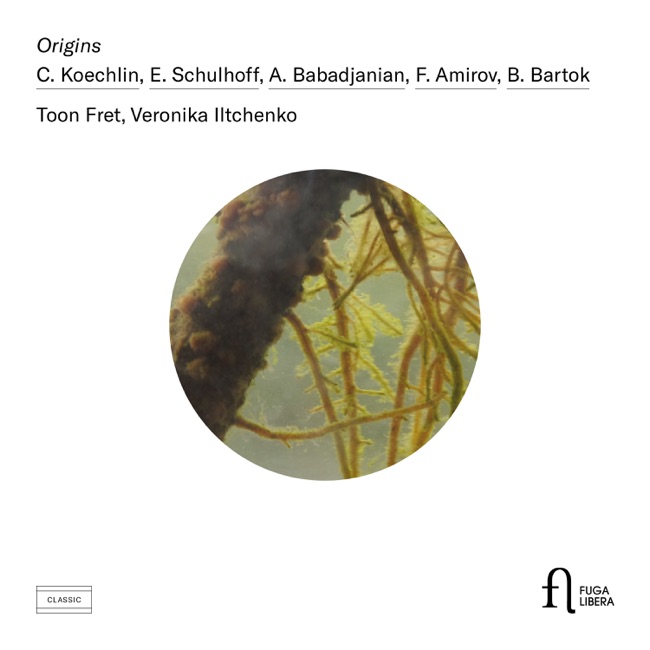 January 11, 2019
 -
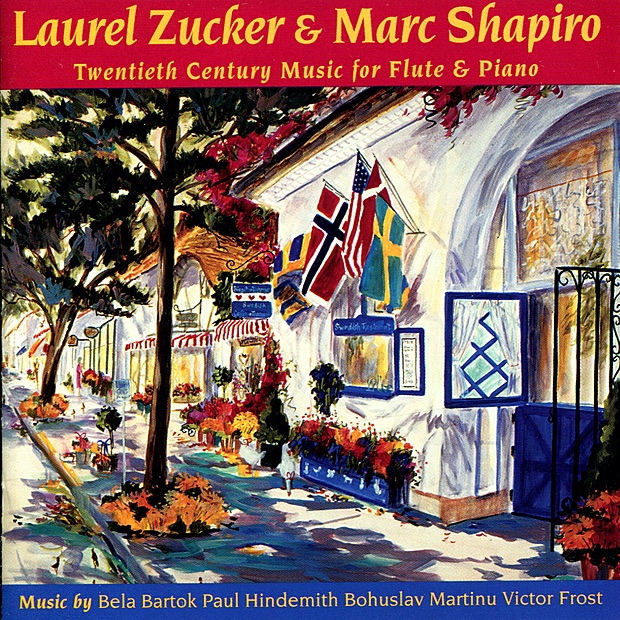 November 1, 2011
 -
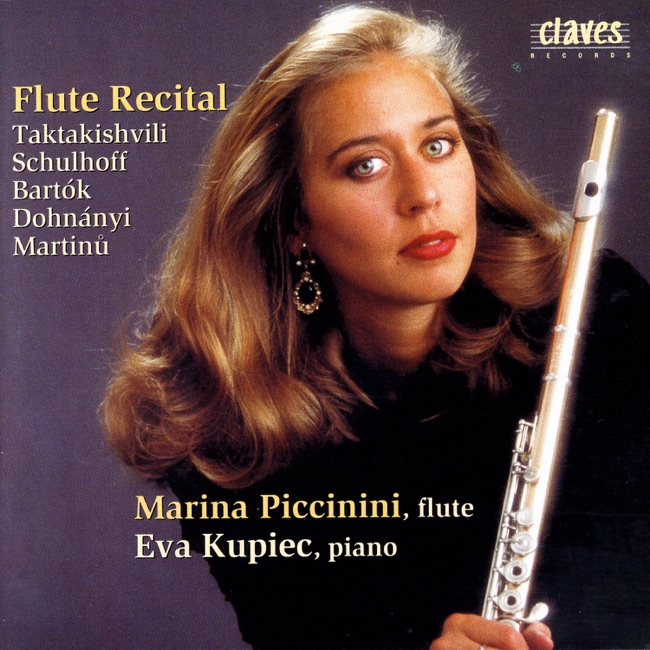 June 25, 2002
 -
 May 8, 2001
Artist Info
Role:ComposerCountry: FranceBirth:October 22, 1905 in Budapest, HungaryDeath:1987Genre:ChamberKeyboardPaul Arma was a Hungarian composer, pianist, and ethnomusicologist who was born on October 11, 1905, in Budapest, Hungary. He was born into a family of musicians, and his father was a well-known violinist. Arma began his musical education at a young age, studying piano and composition with some of the most prominent teachers in Hungary. Arma's early compositions were heavily influenced by the music of his native Hungary, and he often incorporated folk melodies and rhythms into his works. He also had a deep interest in the music of other cultures, and he traveled extensively throughout Europe and the Middle East to study and collect traditional music. In the 1920s, Arma became involved with the Hungarian avant-garde movement, which was characterized by a rejection of traditional forms and a focus on experimentation and innovation. He was a member of the group of composers known as the "Group of Young Hungarian Composers," which included such luminaries as Béla Bartók and Zoltán Kodály. Arma's early works were often experimental and challenging, and he was known for his use of unconventional instruments and techniques. One of his most famous works from this period is "Musique pour l'Odyssée," a piece for piano and percussion that was inspired by the epic poem "The Odyssey" by Homer. In the 1930s, Arma began to focus more on ethnomusicology, and he traveled extensively throughout Europe and the Middle East to study traditional music. He became particularly interested in the music of the Roma people, and he spent several years living among them and studying their music and culture. Arma's interest in traditional music had a profound influence on his compositions, and he began to incorporate elements of traditional music into his works in new and innovative ways. One of his most famous works from this period is "Tzigane," a piece for violin and piano that incorporates elements of Roma music. During World War II, Arma was forced to flee Hungary due to his Jewish heritage. He spent several years living in France, where he continued to compose and perform. He also became involved with the French Resistance, and he used his musical talents to help smuggle Jewish children out of France to safety. After the war, Arma returned to Hungary, where he continued to compose and perform. He also became involved in the cultural life of the country, serving as the director of the Hungarian Radio Symphony Orchestra and as a professor at the Franz Liszt Academy of Music in Budapest. Arma's later works were characterized by a more traditional approach to composition, and he often drew on the music of his native Hungary for inspiration. One of his most famous works from this period is "Hungarian Suite," a piece for orchestra that incorporates traditional Hungarian folk melodies. Arma continued to compose and perform until his death on November 3, 1987, in Budapest, Hungary. He left behind a legacy of innovative and groundbreaking compositions that continue to inspire and influence musicians today.More....
Recent Artist Music
Copyright Ⓒ 2013 Davinci Finger. All rights reseved
Service Terms & Policy