


Torsten Nilsson
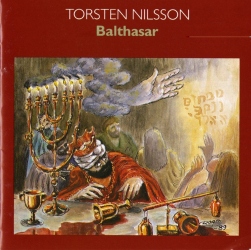
Released Album
Choral
-
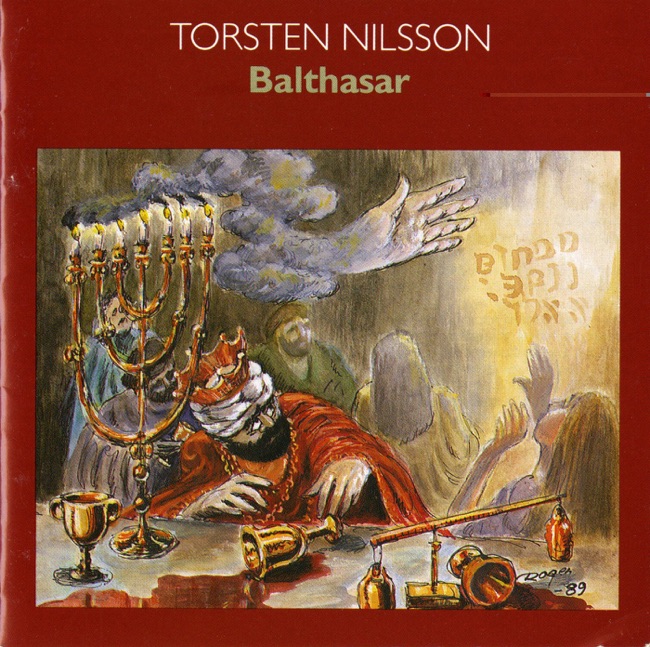 May 1, 2011
Vocal
-
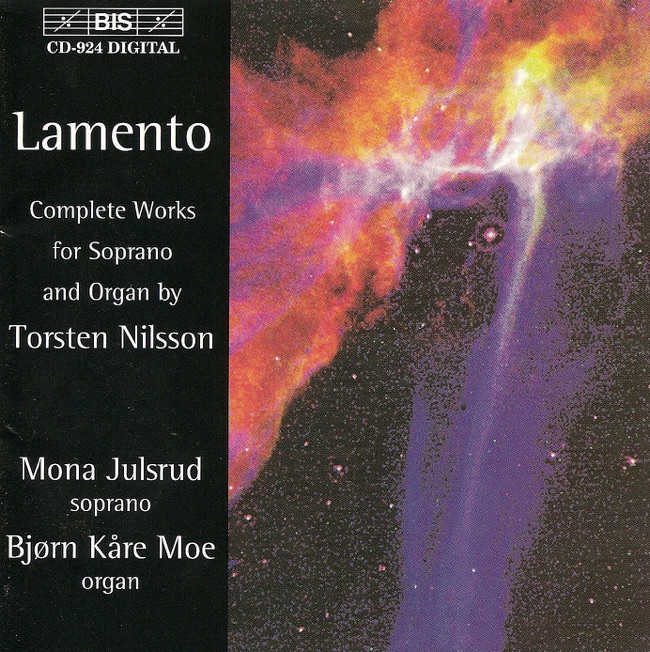 September 1, 1999
Artist Info
Role:Composer ConductorBirth:January 21, 1920Death:1999Period:ContemporaryGenre:ChoralConcertoVocalTorsten Nilsson was a Swedish composer who was born on August 13, 1920, in the town of Helsingborg. He was the son of a music teacher and grew up in a musical family. His father was a choir conductor and his mother was a pianist. Torsten showed an early interest in music and began playing the piano at the age of six. He later learned to play the violin and the organ. Torsten studied music at the Royal College of Music in Stockholm, where he was taught by some of the most prominent Swedish composers of the time, including Lars-Erik Larsson and Hilding Rosenberg. He also studied composition with the German composer Paul Hindemith in Switzerland. In 1945, Torsten was appointed as a music teacher at the Lund University in southern Sweden. He remained in this position for over 30 years, during which time he also composed many works for various ensembles and orchestras. Torsten's music is characterized by its clarity and simplicity. He was influenced by the neoclassical style of composers such as Stravinsky and Hindemith, as well as the folk music of his native Sweden. His works often feature folk melodies and rhythms, and he was known for his use of unconventional instruments, such as the accordion and the mandolin. One of Torsten's most famous works is his Symphony No. 1, which he composed in 1953. The symphony is in three movements and is scored for a large orchestra. It is a powerful and dramatic work that showcases Torsten's skill as a composer. The symphony was well-received by audiences and critics alike and helped to establish Torsten as one of Sweden's leading composers. Another notable work by Torsten is his Concerto for Accordion and Orchestra, which he composed in 1960. The concerto is a virtuosic showcase for the accordion and features many of the instrument's unique qualities. It is a lively and energetic work that has become a staple of the accordion repertoire. In addition to his orchestral works, Torsten also composed many chamber music pieces, including several string quartets and sonatas for various instruments. His music for chamber ensembles is characterized by its intimacy and lyricism. Torsten continued to compose music throughout his life, and his later works show a more experimental and avant-garde style. He was particularly interested in electronic music and composed several works for tape and synthesizer. Torsten Nilsson died on December 13, 1999, at the age of 79. He left behind a legacy of beautiful and innovative music that continues to be performed and enjoyed by audiences around the world.More....
Copyright Ⓒ 2013 Davinci Finger. All rights reseved
Service Terms & Policy