


Juan de Cabezón
Artist Info
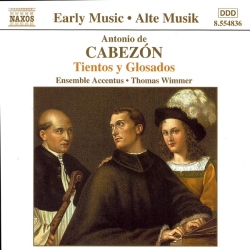
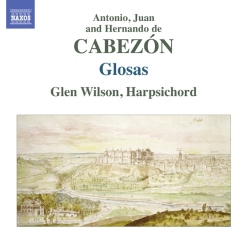
Role:ComposerJuan de Cabezón was a Spanish composer and organist who lived during the Renaissance period. He was born in Castrillo Mota de Judíos, Burgos, Spain in 1510. His father, Antonio de Cabezón, was also a musician and served as the court organist for Queen Isabella of Castile. Juan was the youngest of five children and showed an early interest in music. He began his musical education under the tutelage of his father and later studied with the renowned organist Antonio de Baena. In 1526, Juan de Cabezón was appointed as the organist at the Cathedral of Ávila, where he remained for six years. During this time, he also served as the organist for the Duke of Alba. In 1532, he was appointed as the organist for the Royal Chapel in Madrid, where he remained for the rest of his life. He was highly regarded as a musician and was known for his virtuosic organ playing. Juan de Cabezón was a prolific composer and wrote music for both the organ and the harpsichord. He was also known for his vocal music, including motets and hymns. His music was highly influenced by the polyphonic style of the Renaissance period, and he was known for his use of complex harmonies and counterpoint. One of his most famous works is the "Obras de Música para Tecla, Arpa y Vihuela," which was published in 1578. This collection of music includes pieces for the organ, harpsichord, and vihuela, which is a type of guitar. The collection is considered to be one of the most important works of Spanish keyboard music from the Renaissance period. Another notable work by Juan de Cabezón is his "Tiento del Primer Tono," which is a piece for the organ. This piece is known for its complex harmonies and use of counterpoint, and it is considered to be one of the most important works of Spanish organ music from the Renaissance period. Juan de Cabezón was also known for his vocal music, including his motets and hymns. One of his most famous motets is "Dexóla el dolorido," which is a setting of a poem by the Spanish poet Garcilaso de la Vega. This motet is known for its beautiful harmonies and expressive melodies. Throughout his career, Juan de Cabezón was highly regarded as a musician and composer. He was known for his virtuosic organ playing and his complex and expressive compositions. His music had a significant influence on the development of Spanish keyboard music, and his works continue to be performed and studied today.More....
Copyright Ⓒ 2013 Davinci Finger. All rights reseved
Service Terms & Policy