


Karl Hoyer
Released Album
Choral
-
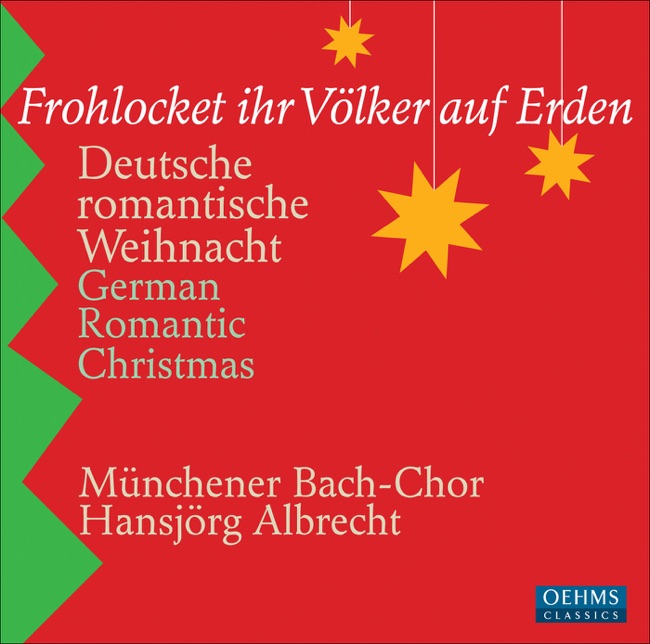 October 27, 2009
 -
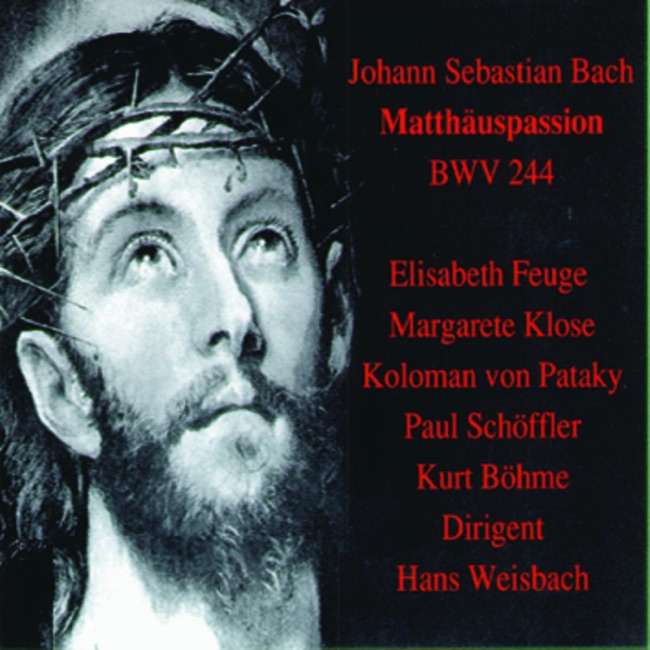 February 7, 1995
Artist Info
Role:ComposerBirth:1891 in Weißenfels, GermanyDeath:1936Period:BaroqueModernGenre:ChoralKarl Hoyer was a German composer and pianist who lived from 1877 to 1947. He was born in the city of Leipzig, which was a hub of musical activity during his lifetime. Hoyer showed an early aptitude for music, and began studying piano and composition at a young age. Hoyer's musical education was extensive and varied. He studied at the Leipzig Conservatory, where he was taught by some of the most prominent musicians of the time, including Carl Reinecke and Salomon Jadassohn. He also spent time studying in Paris, where he was exposed to the latest trends in French music. Hoyer's early compositions were heavily influenced by the Romantic style of the time, and he was particularly drawn to the music of Robert Schumann and Johannes Brahms. However, as he matured as a composer, he began to develop his own unique voice. His music became more complex and experimental, incorporating elements of modernism and atonality. One of Hoyer's most notable works is his Piano Concerto No. 1, which he composed in 1905. The concerto is a virtuosic showcase for the soloist, with intricate passagework and complex harmonies. It was well-received by audiences and critics alike, and helped to establish Hoyer as a major figure in the German music scene. Hoyer's output was prolific, and he composed in a variety of genres, including chamber music, orchestral works, and vocal music. One of his most popular works is his String Quartet No. 2, which was composed in 1912. The quartet is a masterful example of Hoyer's ability to blend traditional forms with modernist techniques. It is characterized by its intricate counterpoint and complex harmonies. Hoyer was also known for his vocal music, and he composed a number of songs and choral works throughout his career. One of his most famous choral works is his setting of the German folk song "Die Lorelei," which he composed in 1920. The piece is a hauntingly beautiful setting of the poem by Heinrich Heine, and has become a staple of the German choral repertoire. Despite his success as a composer, Hoyer was also a gifted pianist, and he often performed his own works in concert. He was known for his virtuosic technique and his ability to bring out the emotional depth of his compositions. Hoyer's career was interrupted by the outbreak of World War I, during which he served in the German army. After the war, he returned to Leipzig and resumed his career as a composer and pianist. However, the political climate in Germany was changing, and Hoyer found himself increasingly at odds with the rising tide of nationalism and anti-Semitism. In 1933, the Nazi party came to power in Germany, and Hoyer's career was effectively ended. His music was banned, and he was forced to flee the country. He spent the rest of his life in exile, living first in Switzerland and later in the United States. Despite the difficulties he faced, Hoyer continued to compose throughout his life. His later works are characterized by a sense of nostalgia and longing for his homeland. He died in New York City in 1947, leaving behind a legacy of innovative and emotionally powerful music. Today, Hoyer is remembered as one of the most important composers of the early 20th century. His music is characterized by its emotional depth, its technical complexity, and its ability to blend traditional forms with modernist techniques.More....
Recent Artist Music
Copyright Ⓒ 2013 Davinci Finger. All rights reseved
Service Terms & Policy