


Giovanni Maria Nanino
Released Album
Choral
-
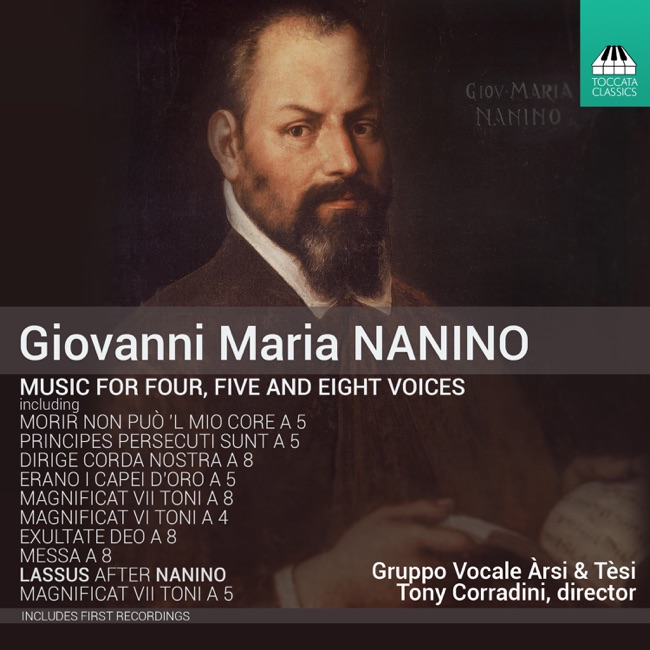
-
 December 3, 2013
 -
 December 10, 2012
 -
 January 1, 2011
 -
 September 14, 2010
Vocal
-
 March 9, 2010
Artist Info
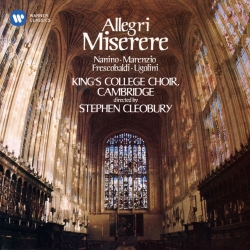
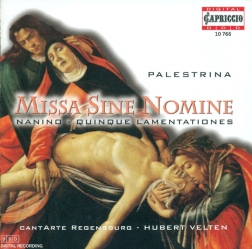
Role:ComposerCountry: ItalyBirth:1543Death:March 11, 1607Period:RenaissanceGiovanni Maria Nanino was a prominent Italian composer of the late Renaissance period. He was born in Tivoli, Italy in 1543, and was the son of a musician. His father, Giovanni Bernardino Nanino, was a singer and composer who worked at the Basilica of Santa Maria Maggiore in Rome. It was under his father's tutelage that Giovanni Maria Nanino began his musical education. Nanino's early years were spent in Rome, where he received a thorough education in music. He studied with some of the most prominent musicians of the time, including Giovanni Pierluigi da Palestrina, who was one of the most important composers of the Renaissance period. Nanino's education was not limited to music, however. He also studied philosophy and theology, which would later influence his compositions. Nanino's career as a composer began in the late 1560s, when he was appointed as a singer at the Basilica of Santa Maria Maggiore. He quickly gained a reputation as a talented composer, and his works were performed at many of the most important churches and courts in Rome. In 1577, he was appointed as the maestro di cappella at the Basilica of San Giovanni in Laterano, one of the most prestigious positions in the Roman Catholic Church. Nanino's compositions were highly regarded during his lifetime, and he was considered one of the most important composers of his time. His works were characterized by their clarity and simplicity, and he was known for his use of counterpoint and his skillful handling of vocal textures. He was also known for his use of chromaticism, which was a relatively new technique at the time. One of Nanino's most famous works is his Missa Brevis, which was composed in 1570. This work is a setting of the Ordinary of the Mass, and is notable for its use of polyphony and its clear, concise structure. The Missa Brevis was widely performed during Nanino's lifetime, and it remains one of his most popular works today. Another important work by Nanino is his setting of the Lamentations of Jeremiah, which was composed in 1585. This work is a setting of the Old Testament text, and is notable for its use of chromaticism and its expressive use of dissonance. The Lamentations of Jeremiah was widely performed during Nanino's lifetime, and it remains one of his most important works today. Nanino's compositions were not limited to sacred music, however. He also composed a number of secular works, including madrigals and canzonettas. These works were characterized by their light, playful melodies and their use of word painting. Nanino's secular works were highly regarded during his lifetime, and they remain popular with audiences today. Nanino's career as a composer was cut short by his death in 1607. However, his legacy lives on through his compositions, which continue to be performed and studied by musicians and scholars around the world. Nanino's contributions to the development of Renaissance music were significant, and his works remain an important part of the musical canon.More....
Recent Artist Music
6
2:16


Copyright Ⓒ 2013 Davinci Finger. All rights reseved
Service Terms & Policy