


Daniel Kessner
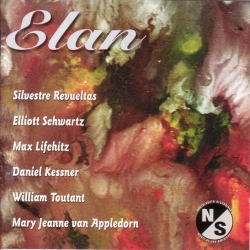
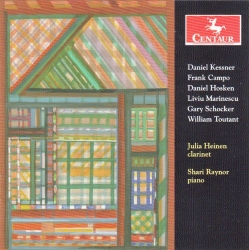
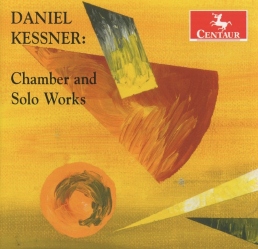
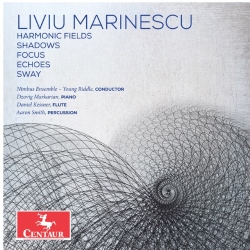
Released Album
Chamber
-
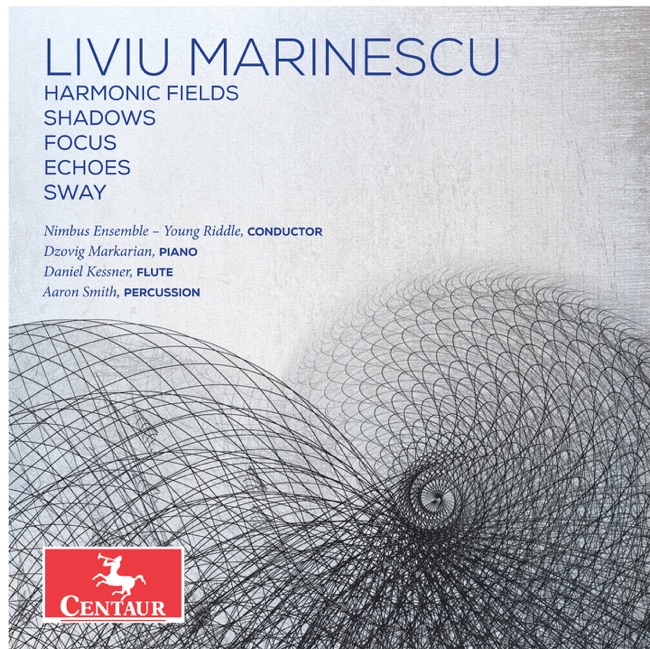 January 8, 2016
 -
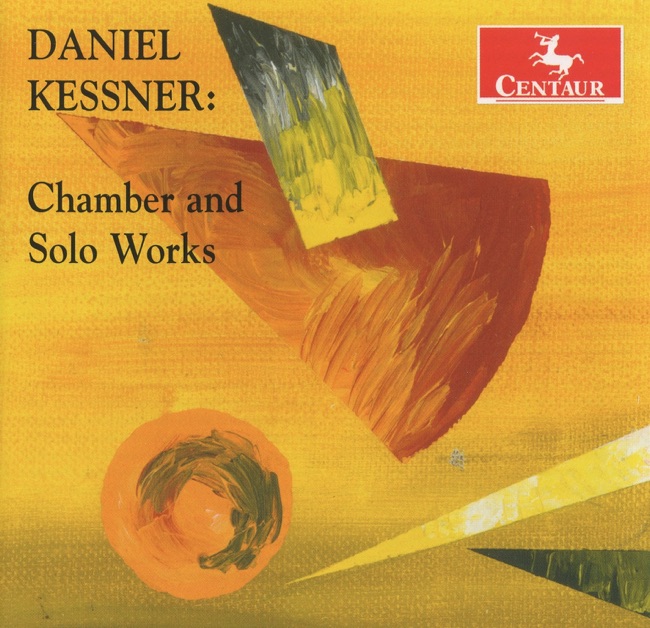 August 1, 2011
 -
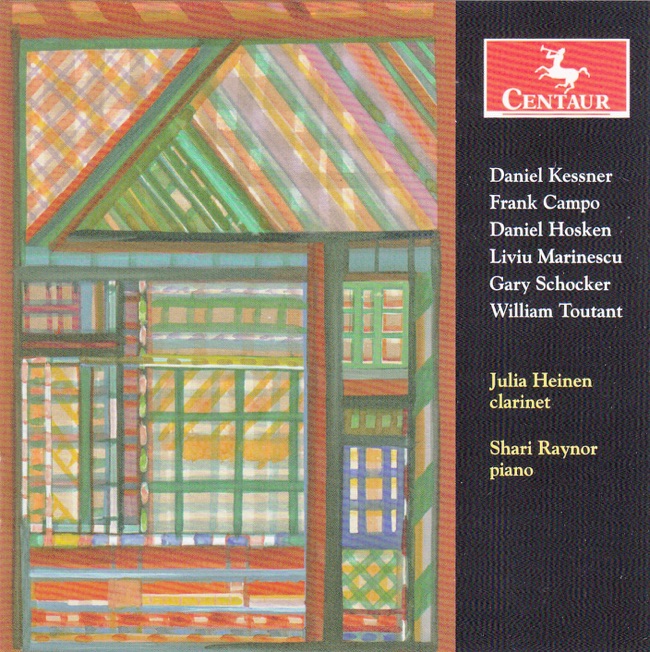 September 25, 2007
 -
 November 23, 1999
Artist Info
Role:Composer ConductorPeriod:ContemporaryGenre:ChamberDaniel Kessner was a renowned classical music composer who was born on May 12, 1950, in New York City. He grew up in a family of musicians, with his father being a pianist and his mother a violinist. From a young age, Kessner showed a keen interest in music and began playing the piano at the age of four. Kessner's parents recognized his talent and encouraged him to pursue music seriously. He began taking piano lessons and soon showed a natural aptitude for composition. He attended the Juilliard School of Music in New York City, where he studied composition under the tutelage of renowned composers such as Milton Babbitt and Elliott Carter. Kessner's early works were heavily influenced by the avant-garde movement of the 1960s and 1970s. He experimented with atonal and serial techniques, creating complex and challenging pieces that pushed the boundaries of traditional classical music. His early works include "Three Pieces for Piano" (1968) and "String Quartet No. 1" (1971). In the 1980s, Kessner's style began to evolve, and he started incorporating more tonal elements into his compositions. He drew inspiration from a wide range of sources, including jazz, folk music, and world music. His works from this period include "Concerto for Violin and Orchestra" (1983) and "Symphony No. 2" (1987). Kessner's music was known for its complexity and technical virtuosity. His compositions often featured intricate rhythms, unconventional harmonies, and challenging instrumental techniques. Despite this, his music was also deeply emotional and expressive, with a strong sense of melody and lyricism. Kessner's most famous work is his opera "The Tempest," which premiered in 1991. Based on the play by William Shakespeare, the opera tells the story of the sorcerer Prospero and his daughter Miranda, who are stranded on a deserted island. The opera features a large cast of characters, including spirits, monsters, and shipwrecked sailors. Kessner's music for "The Tempest" is a tour de force of orchestration and vocal writing, with a rich and varied score that captures the drama and magic of the story. In addition to his work as a composer, Kessner was also a respected music educator. He taught composition at the Juilliard School and the Manhattan School of Music, where he mentored a generation of young composers. He was known for his rigorous and demanding teaching style, but also for his generosity and kindness to his students. Kessner's music has been performed by some of the world's leading orchestras and ensembles, including the New York Philharmonic, the Boston Symphony Orchestra, and the Kronos Quartet. He received numerous awards and honors throughout his career, including a Guggenheim Fellowship and a Pulitzer Prize nomination. Tragically, Kessner's life was cut short when he died of cancer on June 15, 2002, at the age of 52. His death was a great loss to the world of classical music, but his legacy lives on through his music and the many students he inspired and mentored. Daniel Kessner was a true original, a composer of great talent and vision who pushed the boundaries of classical music and left an indelible mark on the art form.More....
Copyright Ⓒ 2013 Davinci Finger. All rights reseved
Service Terms & Policy