


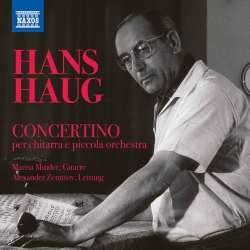
Hans Haug
Released Album
Chamber
-
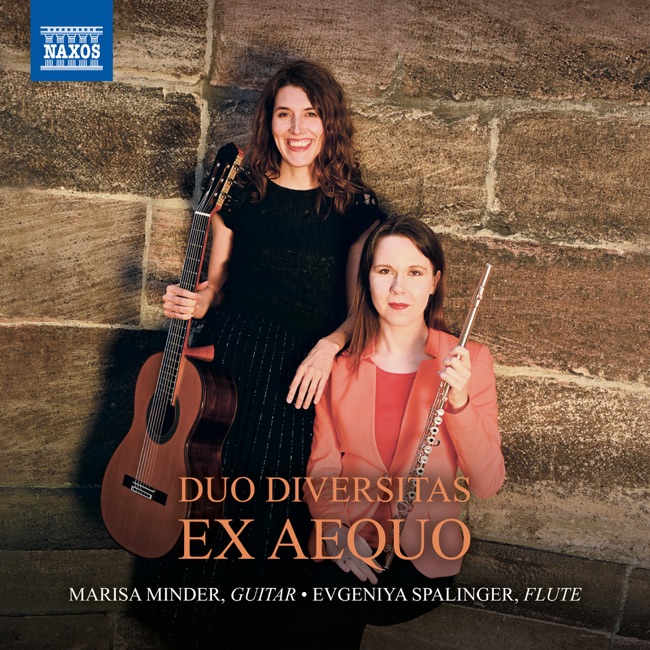 April 8, 2022
 -
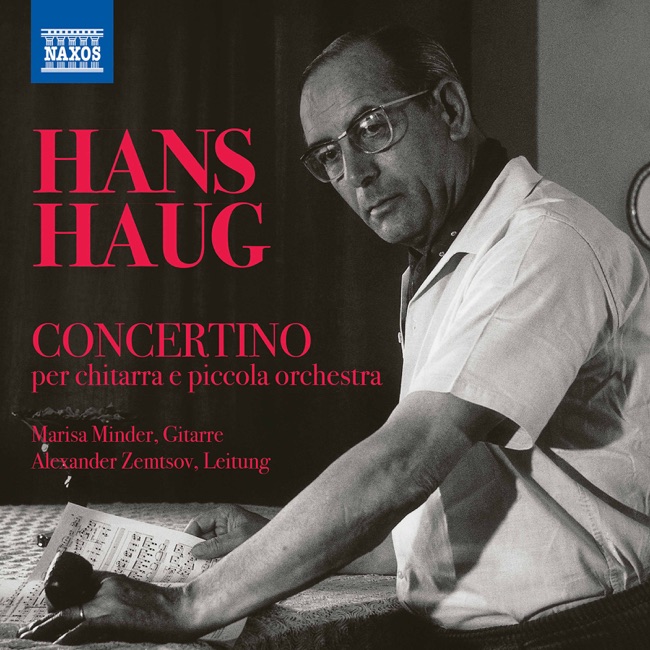
-
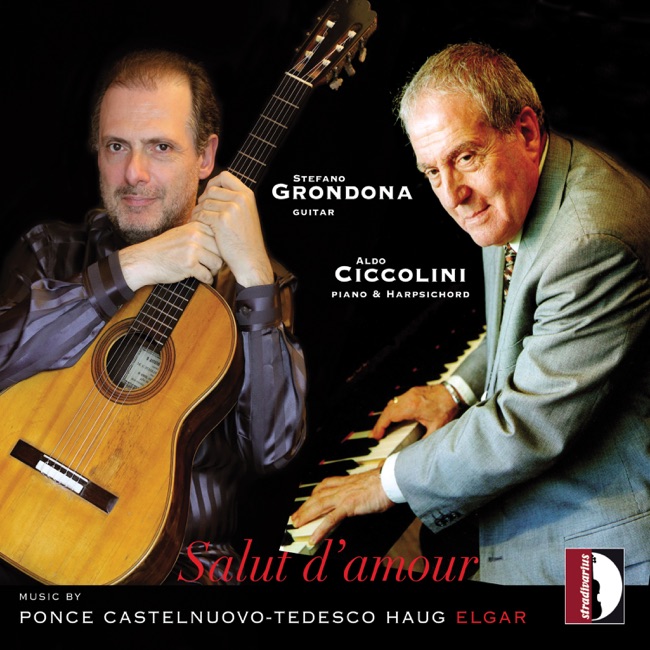 September 20, 2019
 -
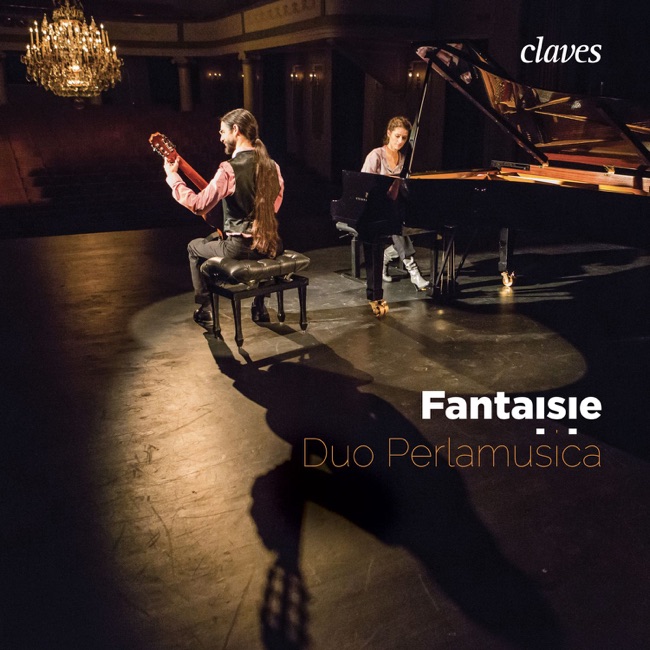 April 7, 2017
 -
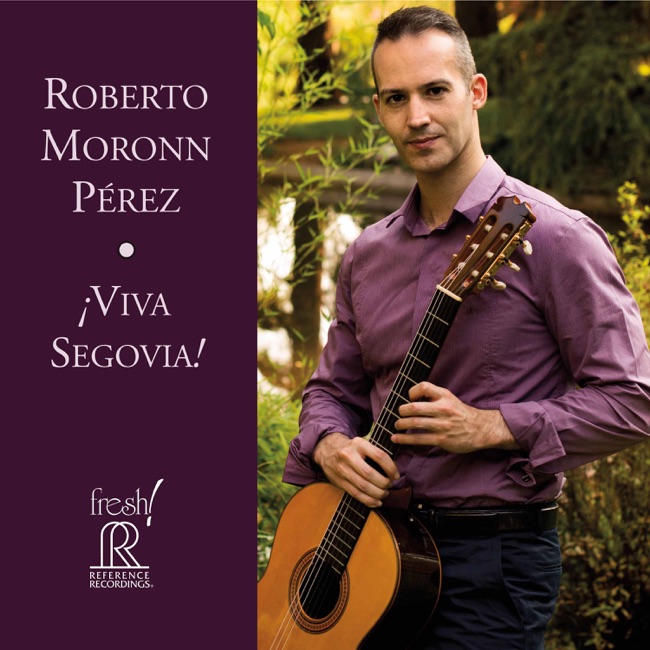 March 17, 2017
 -
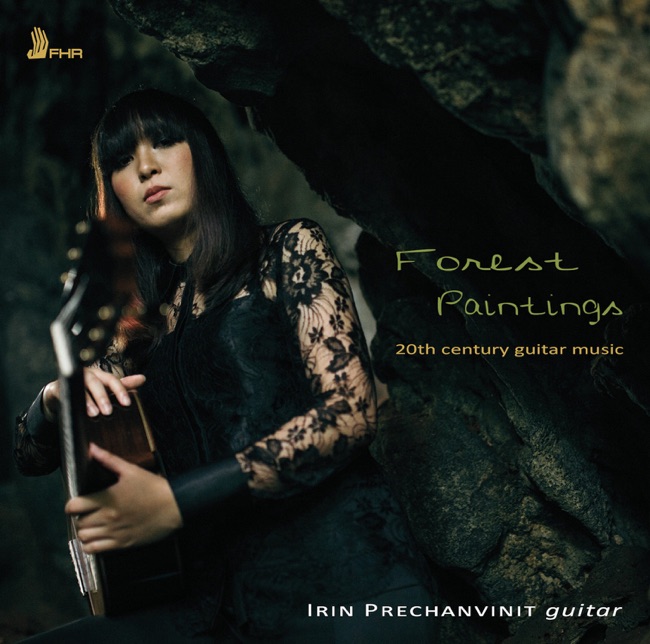 February 5, 2016
Artist Info
Role:ComposerBirth:1900Death:1967Period:ContemporaryGenre:ChamberHans Haug was a Swiss composer and conductor who was born on May 19, 1900, in Basel, Switzerland. He was the son of a music teacher and grew up in a musical family. Haug began his musical education at a young age, studying piano and violin with his father. He later studied composition with Hans Huber at the Basel Conservatory. In 1920, Haug moved to Paris to study with Nadia Boulanger, a renowned composition teacher. He also studied conducting with Pierre Monteux and composition with Paul Dukas. During his time in Paris, Haug became acquainted with many of the leading composers of the day, including Igor Stravinsky, Maurice Ravel, and Arthur Honegger. Haug returned to Switzerland in 1925 and began his career as a conductor. He was appointed conductor of the Basel Symphony Orchestra in 1926, a position he held until 1943. During this time, he also conducted the Zurich Tonhalle Orchestra and the Lausanne Chamber Orchestra. Haug's compositions were influenced by his studies with Boulanger and his exposure to the music of Stravinsky and other modernist composers. His early works, such as the Suite for Orchestra (1926) and the Concerto for Piano and Orchestra (1928), show the influence of Stravinsky's neoclassical style. In the 1930s, Haug's music became more experimental and avant-garde. His Symphony No. 1 (1932) is a complex work that combines elements of neoclassicism, atonality, and polytonality. His String Quartet No. 1 (1935) is a highly dissonant work that uses unconventional playing techniques. During World War II, Haug was active in the Swiss resistance movement. He composed music for propaganda films and wrote patriotic songs. After the war, he became the conductor of the Bern Symphony Orchestra, a position he held from 1945 to 1950. In the 1950s, Haug's music became more tonal and accessible. His Symphony No. 2 (1951) is a lyrical work that shows the influence of the French Impressionists. His Concerto for Violin and Orchestra (1954) is a virtuosic work that showcases the soloist's technical abilities. Haug's later works include the Symphony No. 3 (1960), which is a tribute to the Swiss composer Frank Martin, and the Concerto for Cello and Orchestra (1965), which is a lyrical work that showcases the soloist's expressive abilities. Haug was also a respected conductor and championed the music of contemporary composers. He conducted the premieres of works by Swiss composers such as Frank Martin, Arthur Honegger, and Othmar Schoeck. He also conducted the premieres of works by international composers such as Benjamin Britten, Aaron Copland, and Darius Milhaud. Haug was awarded numerous honors during his lifetime, including the Grand Prix de la Ville de Paris in 1932 and the Prix de la Fondation de France in 1960. He was also made an honorary member of the Royal Academy of Music in London in 1965. Haug died on September 17, 1967, in Bern, Switzerland. He left behind a legacy of innovative and expressive music that continues to be performed and admired today.More....
Recent Artist Music
Copyright Ⓒ 2013 Davinci Finger. All rights reseved
Service Terms & Policy