


Marco Stroppa
Released Album
Chamber
-
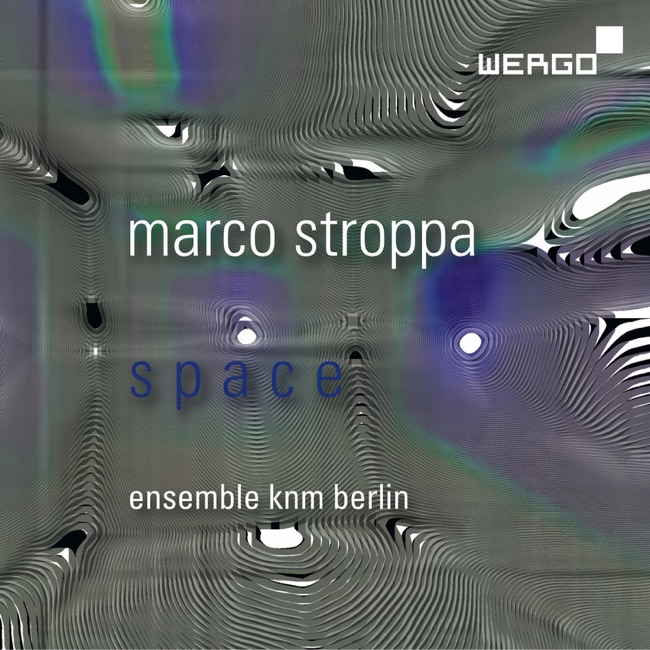 October 5, 2018
 -
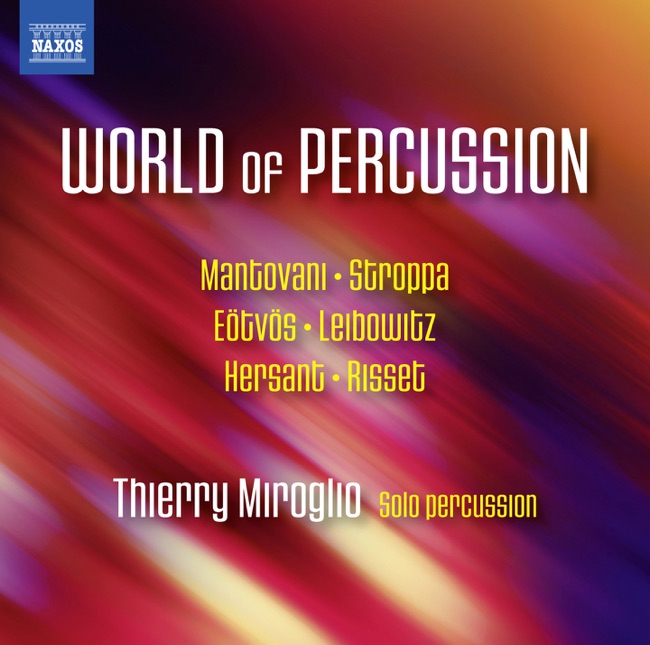 January 8, 2016
 -
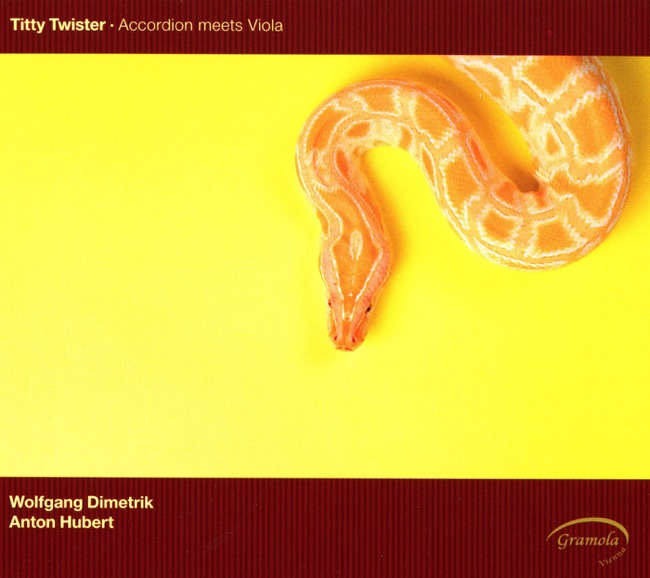 May 15, 2011
 -
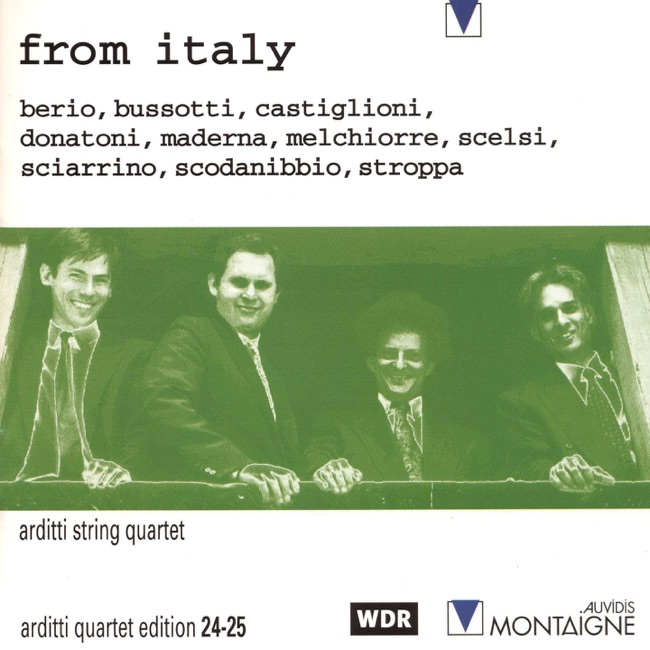 August 1, 1995
Keyboard
-
 October 2, 2021
 -
 October 4, 2011
 -
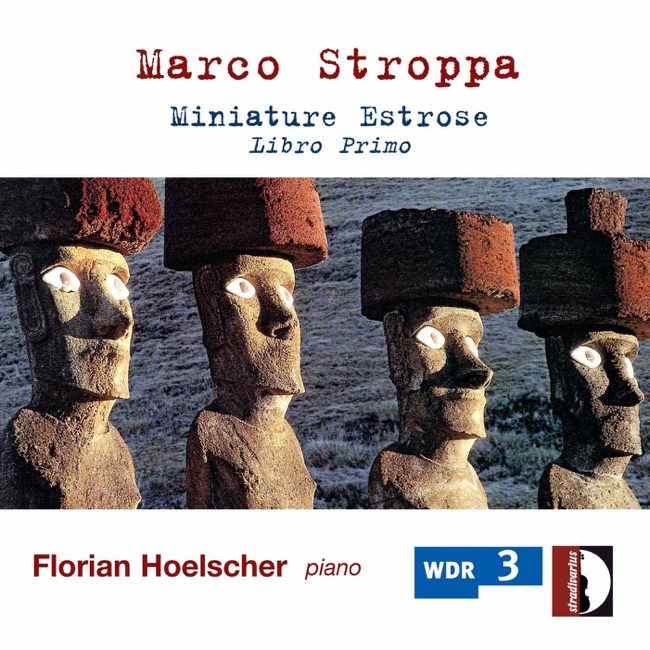 August 9, 2005
Artist Info
Role:Composer PerformerCountry: ItalyBirth:December 8, 1959 in Verona, ItalyPeriod:ContemporaryModernGenre:ChamberMarco Stroppa is a contemporary Italian composer and pianist who was born on November 7, 1959, in Nerviano, Italy. He is known for his innovative approach to composition, which combines traditional classical techniques with electronic and computer-generated sounds. Stroppa's music is characterized by its complexity, virtuosity, and exploration of new sonic possibilities. Stroppa began his musical education at a young age, studying piano and composition at the Milan Conservatory. He later continued his studies at the Accademia Nazionale di Santa Cecilia in Rome, where he studied with renowned composers such as Franco Donatoni and Gérard Grisey. During this time, Stroppa also became interested in electronic music and began experimenting with computer-generated sounds. Stroppa's early works were heavily influenced by the spectral music movement, which emerged in France in the 1970s and 1980s. Spectral music is characterized by its use of computer analysis of sound spectra to create new harmonic and timbral possibilities. Stroppa's early works, such as "Miniature Estrose" (1982) and "Traiettoria" (1984), reflect this influence, with their use of complex harmonies and unconventional timbres. In the 1990s, Stroppa began to incorporate more electronic and computer-generated sounds into his compositions. His works from this period, such as "Tangata Manu" (1990) and "Innige Cavatina" (1993), combine acoustic instruments with electronic sounds to create a rich and complex sonic landscape. Stroppa's use of computer-generated sounds in these works is particularly innovative, as he uses the computer to create new sounds that are not possible with traditional acoustic instruments. Stroppa's most famous work is perhaps "Ninnananna" (1998), a piece for piano and electronics that explores the relationship between sound and silence. The piece is characterized by its use of extended techniques on the piano, such as plucking the strings and playing inside the piano, as well as its use of electronic sounds to create a dreamlike atmosphere. "Ninnananna" has been performed by pianists around the world and has become a staple of the contemporary piano repertoire. In addition to his work as a composer, Stroppa is also an accomplished pianist. He has performed his own works as well as the works of other contemporary composers around the world. Stroppa's performances are known for their virtuosity and technical precision, as well as their ability to convey the emotional depth of his compositions. Stroppa's later works, such as "Os" (2001) and "Spira Mirabilis" (2006), continue to explore the possibilities of electronic and computer-generated sounds. These works are characterized by their use of complex rhythms and harmonies, as well as their exploration of new sonic possibilities. Stroppa's use of electronic sounds in these works is particularly innovative, as he uses the computer to create new sounds that are not possible with traditional acoustic instruments. Stroppa's contributions to contemporary classical music have been recognized with numerous awards and honors. In 2007, he was awarded the prestigious Ernst von Siemens Music Prize, which is awarded annually to a composer, performer, or scholar who has made significant contributions to contemporary classical music.More....
Recent Artist Music

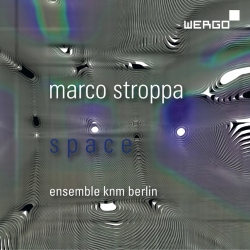
Copyright Ⓒ 2013 Davinci Finger. All rights reseved
Service Terms & Policy