


Giuseppe de Majo
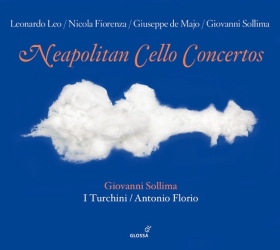
Released Album
Concerto
-
 April 2, 2012
 -
 May 11, 2010
Artist Info
Role:ComposerBirth:1697Death:1771Giuseppe de Majo was an Italian composer of the Baroque era, born on February 28, 1697, in Naples, Italy. He was the son of a musician, Francesco de Majo, who was a member of the Royal Chapel of Naples. Giuseppe grew up in a musical family and received his early musical training from his father. He showed great talent and passion for music from a young age and began composing at the age of 14. Giuseppe de Majo's musical education continued at the Conservatory of Santa Maria di Loreto in Naples, where he studied under the guidance of Francesco Durante, a prominent composer of the time. He also studied with other notable musicians, including Leonardo Leo and Nicola Porpora. During his time at the conservatory, de Majo honed his skills in composition, counterpoint, and harmony. After completing his studies, de Majo began his career as a composer and musician. He worked as a music teacher and composer for various churches and institutions in Naples. In 1725, he was appointed as the maestro di cappella (music director) at the Royal Chapel of Naples, a position he held for over 30 years. During his tenure, he composed numerous works for the chapel, including masses, motets, and oratorios. De Majo's music was highly regarded during his lifetime, and he was considered one of the leading composers of his time. His works were performed in churches and concert halls throughout Italy and Europe. He was known for his skillful use of counterpoint and his ability to create complex and intricate musical textures. One of de Majo's most famous works is his oratorio, "La Passione di Gesù Cristo," which was first performed in Naples in 1730. The oratorio tells the story of the Passion of Christ and features arias, recitatives, and choruses. The work was highly praised for its dramatic intensity and emotional power. De Majo also composed numerous operas, including "Alessandro nell'Indie," which was first performed in Naples in 1730. The opera tells the story of Alexander the Great's conquest of India and features arias, duets, and choruses. The work was well-received and was performed throughout Italy. In addition to his sacred and secular vocal music, de Majo also composed instrumental music, including sonatas and concertos. His instrumental works were highly regarded for their technical skill and expressive melodies. De Majo's music was influenced by the musical styles of his time, including the Baroque and Rococo styles. His works were characterized by their intricate counterpoint, expressive melodies, and dramatic intensity. He was known for his ability to create complex and intricate musical textures, and his music was highly regarded for its technical skill and emotional power. De Majo's legacy as a composer has endured to this day, and his works continue to be performed and recorded by musicians around the world. His contributions to the development of Baroque music in Italy and Europe have been recognized by music historians and scholars, and his music remains an important part of the classical music canon.More....
Recent Artist Music
Copyright Ⓒ 2013 Davinci Finger. All rights reseved
Service Terms & Policy