


Paul Paviour
Released Album
Vocal
-
 May 5, 2017
 -
 March 17, 2012
Chamber
-
 June 2, 2014
Artist Info
Role:ComposerPaul Paviour was a British classical music composer who was born on May 12, 1926, in London, England. He was the youngest of three children and grew up in a family that was passionate about music. His father was a pianist, and his mother was a singer, and they both encouraged their children to pursue music. Paviour began playing the piano at a young age and showed a natural talent for music. He attended the Royal Academy of Music in London, where he studied composition under the tutelage of notable composers such as Ralph Vaughan Williams and William Walton. He also studied piano and conducting, which would later become important skills in his career. After completing his studies, Paviour began working as a freelance composer and conductor. He composed music for various mediums, including film, television, and radio. He also worked as a conductor for several orchestras, including the London Symphony Orchestra and the Royal Philharmonic Orchestra. Paviour's early works were heavily influenced by the classical music of the 19th century, particularly the works of Beethoven and Brahms. However, as he matured as a composer, he began to incorporate more modern elements into his music, such as atonality and serialism. One of Paviour's most notable works is his Symphony No. 1, which he composed in 1955. The symphony is a four-movement work that showcases Paviour's skill as a composer. The first movement is a lively and energetic piece that features a memorable melody. The second movement is a slow and contemplative piece that showcases Paviour's ability to create a sense of atmosphere and mood. The third movement is a scherzo that is full of energy and excitement, while the final movement is a triumphant and celebratory piece that brings the symphony to a satisfying conclusion. Another notable work by Paviour is his Piano Concerto, which he composed in 1962. The concerto is a three-movement work that features a solo piano accompanied by an orchestra. The first movement is a lively and energetic piece that showcases the virtuosity of the soloist. The second movement is a slow and contemplative piece that features a beautiful melody played by the piano. The final movement is a fast and exciting piece that brings the concerto to a thrilling conclusion. In addition to his symphonies and concertos, Paviour also composed several chamber works, including string quartets and sonatas. One of his most notable chamber works is his String Quartet No. 1, which he composed in 1958. The quartet is a four-movement work that showcases Paviour's skill as a composer for small ensembles. The first movement is a lively and energetic piece that features a memorable melody. The second movement is a slow and contemplative piece that showcases Paviour's ability to create a sense of atmosphere and mood. The third movement is a scherzo that is full of energy and excitement, while the final movement is a triumphant and celebratory piece that brings the quartet to a satisfying conclusion. Throughout his career, Paviour received numerous awards and accolades for his work as a composer and conductor. He was awarded the Order of the British Empire in 1982 for his contributions to music. He also received several honorary doctorates from universities in the United Kingdom and the United States. Paviour continued to compose music until his death on January 1, 2009, at the age of 82.More....
Recent Artist Music
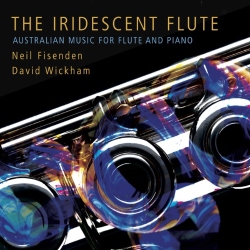
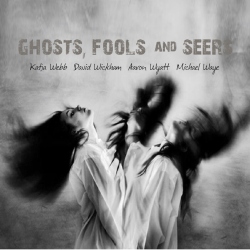
Copyright Ⓒ 2013 Davinci Finger. All rights reseved
Service Terms & Policy