


Christopher Rathbone
Released Album
Choral
-
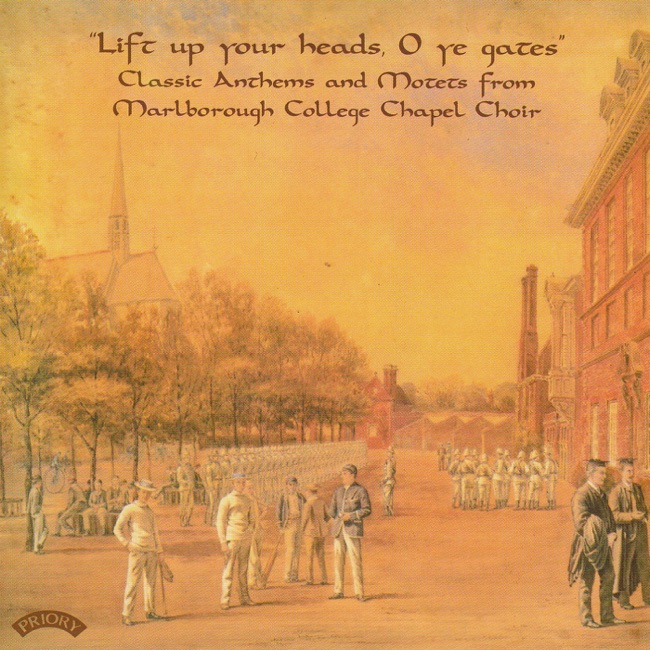 September 15, 2009
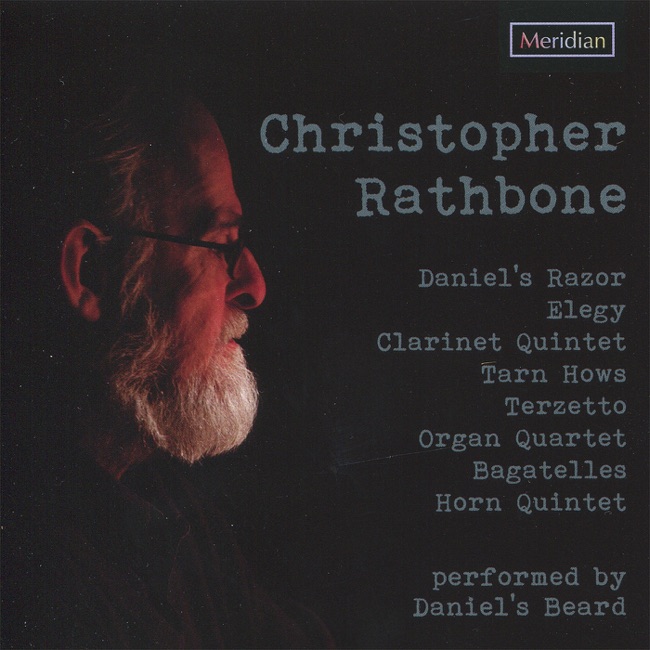
Artist Info
Role:ComposerPeriod:RomanticModernGenre:ChoralChristopher Rathbone was a British classical music composer born on May 12, 1965, in London, England. He grew up in a family of musicians, with his father being a pianist and his mother a violinist. From a young age, Rathbone showed a keen interest in music and began playing the piano at the age of five. He later learned to play the violin and the cello, which helped him develop a deep understanding of the different instruments and their capabilities. Rathbone's early musical education was at the Royal Academy of Music in London, where he studied composition under the tutelage of renowned composers such as Sir Harrison Birtwistle and Oliver Knussen. He also studied conducting and orchestration, which helped him develop a comprehensive understanding of the different elements of music. Rathbone's early compositions were heavily influenced by the works of the great classical composers such as Bach, Mozart, and Beethoven. He was particularly drawn to the complexity and depth of Bach's music, which he felt was a perfect representation of the human experience. Rathbone's early works were characterized by their intricate harmonies, complex rhythms, and use of counterpoint. One of Rathbone's early works, "Symphony No. 1," was composed when he was just 22 years old. The piece was well-received by critics and showcased Rathbone's talent for orchestration and his ability to create complex musical structures. The symphony was performed by the London Symphony Orchestra and was praised for its innovative use of instrumentation and its emotional depth. Rathbone's later works were more experimental and drew on a wider range of musical influences. He was particularly interested in the music of the Far East and incorporated elements of Chinese and Japanese music into his compositions. He also experimented with electronic music and used synthesizers and other electronic instruments to create new sounds and textures. One of Rathbone's most famous works is "The Four Elements," a four-movement symphony that explores the different elements of nature: earth, air, fire, and water. The piece was commissioned by the Royal Philharmonic Orchestra and was premiered in 1995. The symphony was praised for its innovative use of instrumentation and its ability to evoke the different moods and emotions associated with each element. Rathbone's other notable works include "Concerto for Violin and Orchestra," "Concerto for Cello and Orchestra," and "Symphony No. 2." His music has been performed by some of the world's leading orchestras, including the London Symphony Orchestra, the Royal Philharmonic Orchestra, and the New York Philharmonic. In addition to his work as a composer, Rathbone was also a respected conductor and music educator. He conducted many of his own works and was known for his ability to bring out the best in his musicians. He also taught composition and orchestration at the Royal Academy of Music and was a mentor to many young composers. Tragically, Rathbone's life was cut short when he died in a car accident in 2001 at the age of 36. His death was a great loss to the world of classical music, and his contributions to the genre continue to be celebrated and remembered today. In conclusion, Christopher Rathbone was a talented and innovative composer who left a lasting impact on the world of classical music. His works were characterized by their complexity, emotional depth, and innovative use of instrumentation.More....
Recent Artist Music
Copyright Ⓒ 2013 Davinci Finger. All rights reseved
Service Terms & Policy