


Matthew Brown
Released Album
Choral
-
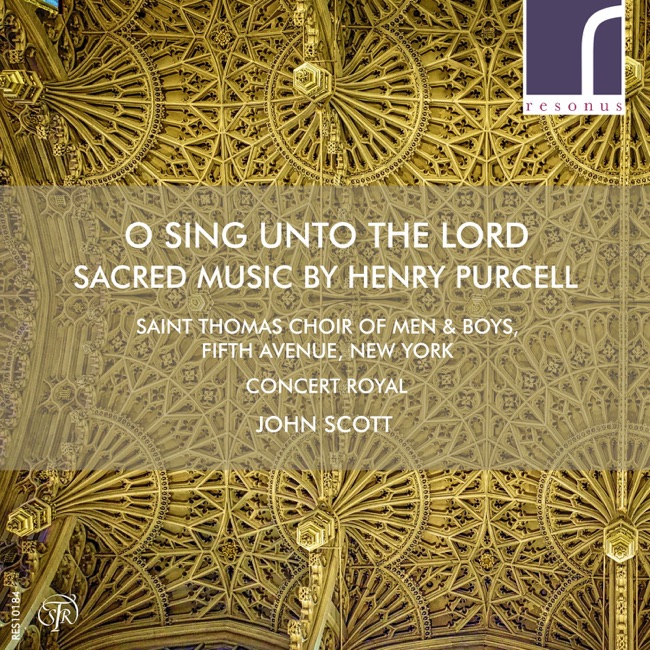 February 3, 2017
 -
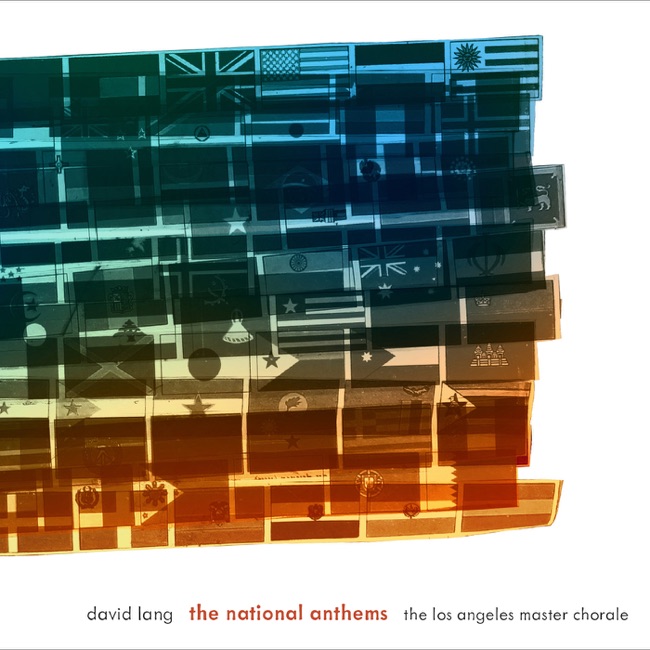 June 24, 2016
 -
 October 26, 2010
Artist Info
Role:ComposerMatthew Brown was born on May 1, 1968, in London, England. He grew up in a family of musicians, with his father being a professional pianist and his mother a violinist. From a young age, Brown showed a keen interest in music and began playing the piano at the age of four. He later learned to play the violin and the cello. Brown attended the Royal Academy of Music in London, where he studied composition under the tutelage of Sir Harrison Birtwistle. He also studied conducting and piano performance. During his time at the academy, Brown composed several works that were performed by the academy's orchestra and chamber ensembles. After graduating from the Royal Academy of Music, Brown began working as a freelance composer and conductor. He composed music for a variety of ensembles, including orchestras, chamber groups, and solo performers. His works were performed in concert halls throughout Europe and the United States. One of Brown's early works, "Concerto for Violin and Orchestra," was premiered by the London Symphony Orchestra in 1995. The piece was well-received by audiences and critics alike, and it established Brown as a rising star in the classical music world. In 1998, Brown was commissioned by the BBC to compose a piece for the Last Night of the Proms, an annual concert series held at the Royal Albert Hall in London. Brown's piece, "Fanfare for the Millennium," was performed by the BBC Symphony Orchestra and was broadcast live on television and radio. The piece was a celebratory work that marked the turn of the millennium and was well-received by audiences around the world. Over the next several years, Brown continued to compose music for a variety of ensembles. He was particularly interested in exploring the possibilities of combining traditional classical instruments with electronic sounds and effects. His piece "Electroacoustic Symphony," which was premiered in 2003, was a groundbreaking work that combined live orchestral performance with electronic sounds and effects. In 2006, Brown was commissioned by the London Philharmonic Orchestra to compose a piece for their 75th anniversary season. The resulting work, "Symphony No. 1," was a large-scale work that showcased Brown's mastery of orchestration and his ability to create complex, multi-layered textures. The piece was premiered to critical acclaim and established Brown as one of the leading composers of his generation. In addition to his work as a composer, Brown was also an accomplished conductor. He conducted many of his own works as well as those of other composers. He was particularly interested in promoting the music of living composers and was a strong advocate for new music. Tragically, Brown's life was cut short when he died in a car accident in 2010. He was only 42 years old. At the time of his death, Brown was working on several new compositions, including a new opera and a large-scale choral work. Despite his untimely death, Brown's legacy as a composer and conductor lives on. His works continue to be performed by orchestras and ensembles around the world, and his influence can be heard in the music of many contemporary composers. Brown's dedication to pushing the boundaries of classical music and his commitment to promoting new music will continue to inspire generations of musicians and music lovers for years to come.More....


Copyright Ⓒ 2013 Davinci Finger. All rights reseved
Service Terms & Policy