


Osvaldas Balakauskas
Released Album
Chamber
-
 January 5, 2018
 -
 February 25, 2014
 -
 November 30, 2004
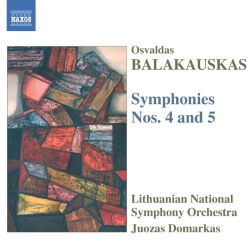
Symphony
-
 November 15, 2005
Concerto
-
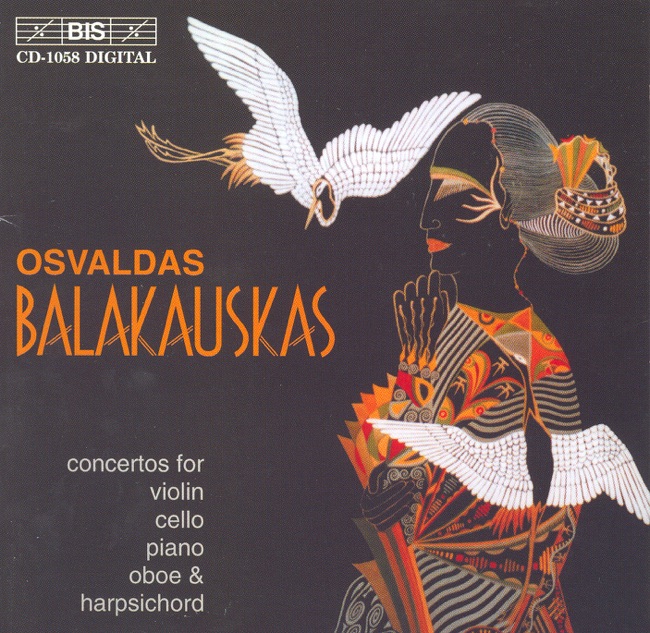 November 21, 2000
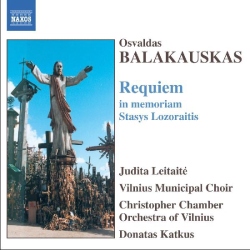
Choral
-
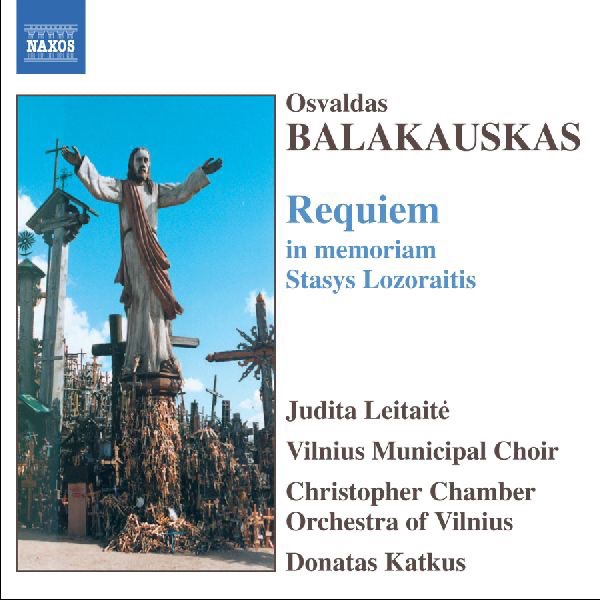 February 22, 2005
Artist Info
Role:ComposerCountry: LithuaniaBirth:December 19, 1937 in MiliunaiPeriod:ContemporaryGenre:ChamberConcertoOsvaldas Balakauskas was a Lithuanian composer who was born on January 28, 1937, in Kaunas, Lithuania. He was the son of a well-known Lithuanian composer, Vytautas Balakauskas, who was also a professor of music at the Lithuanian Academy of Music and Theatre. Osvaldas grew up in a musical family and was exposed to music from a very young age. He began playing the piano at the age of six and later studied composition with his father. In 1955, Osvaldas Balakauskas entered the Lithuanian Academy of Music and Theatre, where he studied composition with Julius Juzeliūnas. He graduated in 1960 and went on to study at the Moscow Conservatory with Nikolai Rakov. During his time in Moscow, Balakauskas was exposed to the works of contemporary composers such as Igor Stravinsky, Arnold Schoenberg, and Anton Webern, which had a significant influence on his own compositions. Balakauskas returned to Lithuania in 1964 and began working as a composer and music teacher. He became a professor of composition at the Lithuanian Academy of Music and Theatre in 1972 and held this position until his retirement in 2002. During his career, Balakauskas composed over 200 works, including orchestral, chamber, and vocal music. One of Balakauskas's most significant works is his Symphony No. 1, which he composed in 1969. The symphony is a large-scale work that features a complex and intricate musical language. It is characterized by its use of serial techniques and its exploration of different timbres and textures. The symphony was well-received by audiences and critics alike and helped establish Balakauskas as one of the leading composers of his generation. Another notable work by Balakauskas is his String Quartet No. 3, which he composed in 1978. The quartet is a highly expressive work that explores a wide range of emotions and moods. It is characterized by its use of extended techniques, such as harmonics and glissandi, and its complex rhythmic structures. The quartet has been performed by many renowned ensembles and is considered one of Balakauskas's most important chamber works. In addition to his instrumental music, Balakauskas also composed a significant amount of vocal music. One of his most famous vocal works is his cycle of songs based on the poetry of Federico García Lorca. The cycle, which was composed in 1972, features six songs that explore the themes of love, death, and the natural world. The songs are characterized by their lyrical melodies and their use of Spanish folk music elements. Balakauskas was also known for his interest in electronic music. He began experimenting with electronic music in the 1970s and composed several works that combined electronic and acoustic elements. One of his most famous electronic works is his piece "Rasa," which he composed in 1971. The piece features a combination of electronic sounds and live instruments and is characterized by its use of repetitive patterns and its exploration of different timbres and textures. Throughout his career, Balakauskas received numerous awards and honors for his contributions to music. He was awarded the Lithuanian National Prize for Culture and Arts in 1997 and was named a Commander of the Order of the Lithuanian Grand Duke Gediminas in 2002. He was also a member of the Lithuanian Academy of Sciences and the Lithuanian Composers' Union. Osvaldas Balakauskas passed away on January 28, 2019, at the age of 82.More....
Copyright Ⓒ 2013 Davinci Finger. All rights reseved
Service Terms & Policy