


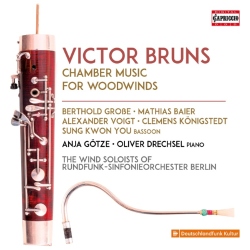
Victor Bruns
Released Album
Chamber
-
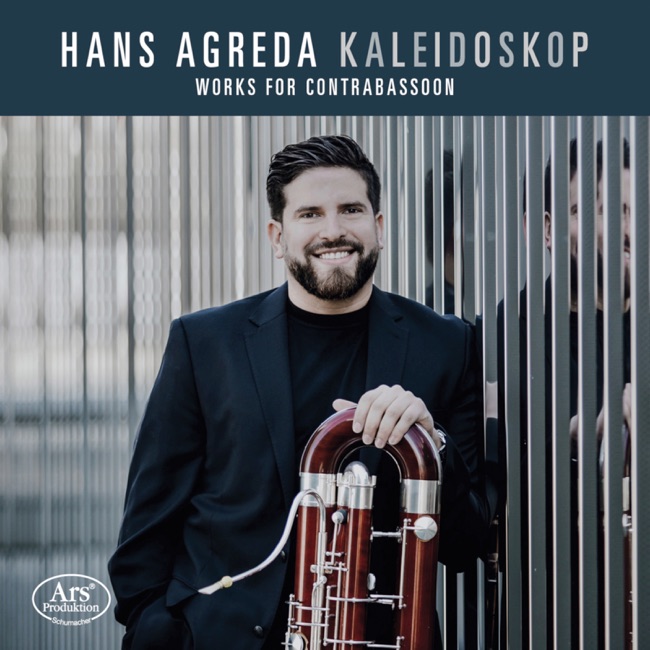 August 9, 2019
 -
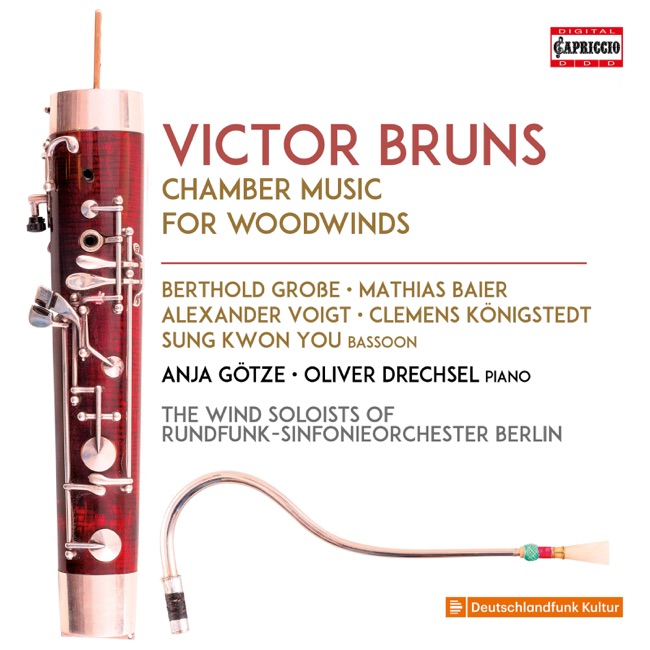 October 6, 2017
 -
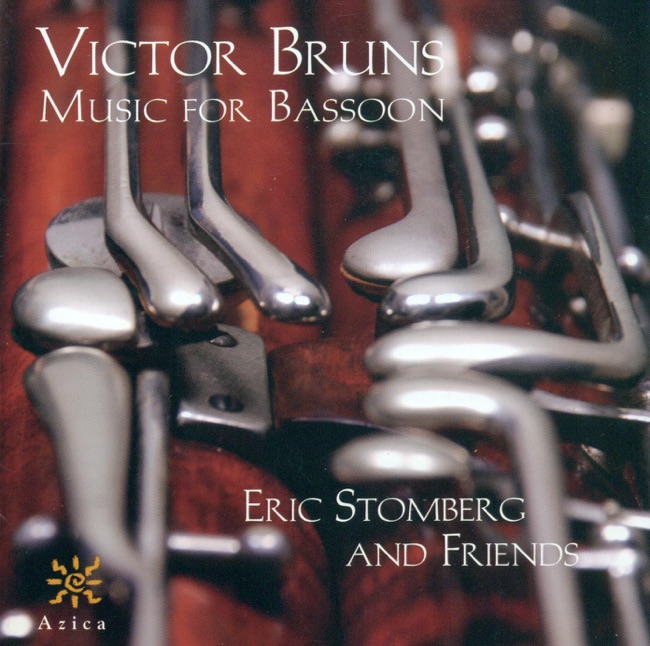 July 8, 2008
Artist Info
Role:ComposerCountry: GermanyBirth:1904 in Ollila, FinlandDeath:1996 in Berlin, GermanyVictor Bruns was a German composer and cellist who lived from 1904 to 1996. He was born in Berlin, Germany, and began his musical studies at a young age. His father was a cellist, and he encouraged Victor to take up the instrument as well. Victor showed great promise as a cellist, and he began performing in public at the age of 12. In addition to his cello studies, Victor also studied composition with the renowned German composer Paul Hindemith. Hindemith was a major influence on Victor's musical style, and he encouraged Victor to explore new and innovative approaches to composition. Victor's early compositions were heavily influenced by Hindemith's neoclassical style, but he soon began to develop his own unique voice. He was particularly interested in exploring the possibilities of the cello as a solo instrument, and many of his compositions feature the cello in a prominent role. One of Victor's most famous works is his Cello Concerto, which he composed in 1948. The concerto is a virtuosic showcase for the cello, and it has become a staple of the cello repertoire. The concerto is notable for its use of extended techniques, such as harmonics and glissandi, which were relatively uncommon in classical music at the time. Another notable work by Victor is his Sonata for Cello and Piano, which he composed in 1952. The sonata is a lyrical and expressive work that showcases Victor's gift for melody. The piece is notable for its use of unconventional harmonies and rhythms, which give it a modern and innovative feel. In addition to his compositions for cello, Victor also wrote a number of works for orchestra and chamber ensembles. One of his most famous orchestral works is his Symphony No. 1, which he composed in 1956. The symphony is a powerful and dramatic work that showcases Victor's skill as an orchestrator. Victor's music was well-received by critics and audiences alike, and he was widely regarded as one of the leading composers of his generation. He received numerous awards and honors throughout his career, including the Order of Merit of Berlin and the Order of Merit of the Federal Republic of Germany. Despite his success as a composer, Victor remained committed to his work as a cellist throughout his life. He was a member of the Berlin Philharmonic Orchestra for many years, and he also performed as a soloist and chamber musician. His performances were known for their technical brilliance and emotional depth, and he was widely regarded as one of the greatest cellists of his time. In addition to his work as a musician, Victor was also a dedicated teacher. He taught at the Berlin University of the Arts for many years, and he was known for his rigorous and demanding approach to teaching. Many of his students went on to have successful careers as musicians and composers. Victor's legacy as a composer and cellist continues to be felt today. His music remains popular with performers and audiences alike, and his influence can be heard in the work of many contemporary composers. He is remembered as a true innovator in the world of classical music, and his contributions to the art form will continue to be celebrated for generations to come.More....
Copyright Ⓒ 2013 Davinci Finger. All rights reseved
Service Terms & Policy