


Alfredo Carrasco
Released Album
Keyboard
-
 June 1, 2024
 -
 April 26, 2024
 -
 November 15, 2014
 -
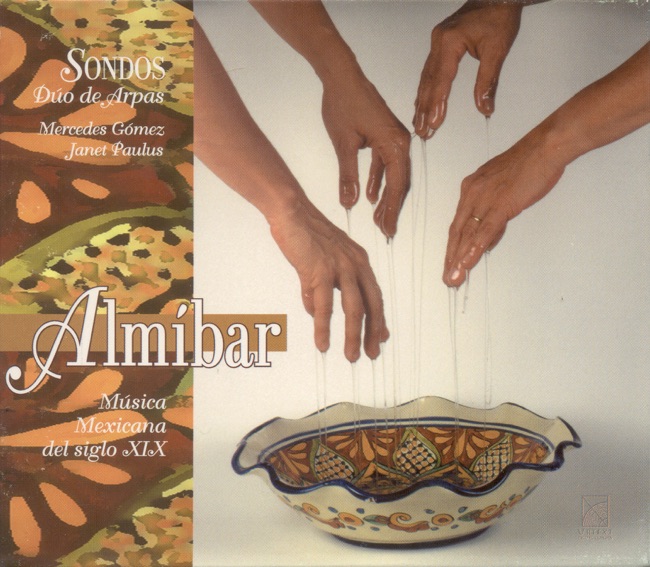 January 1, 2001
Orchestral
-
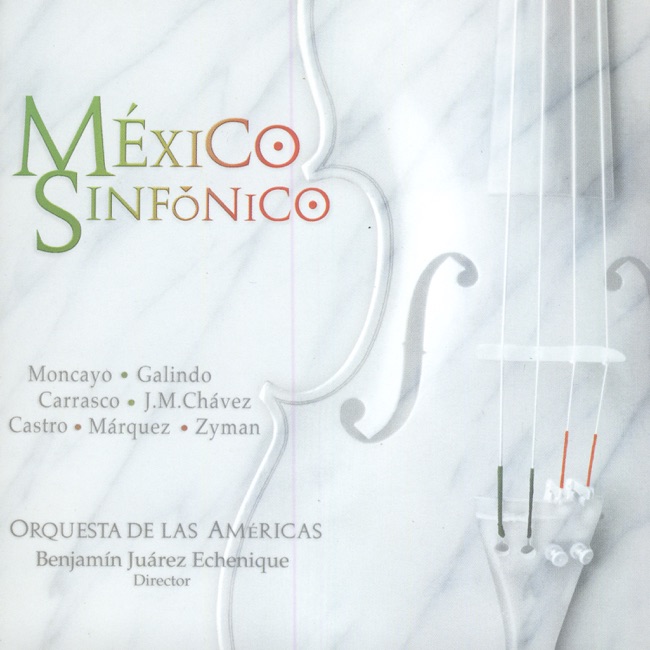 June 15, 1999
Chamber
-
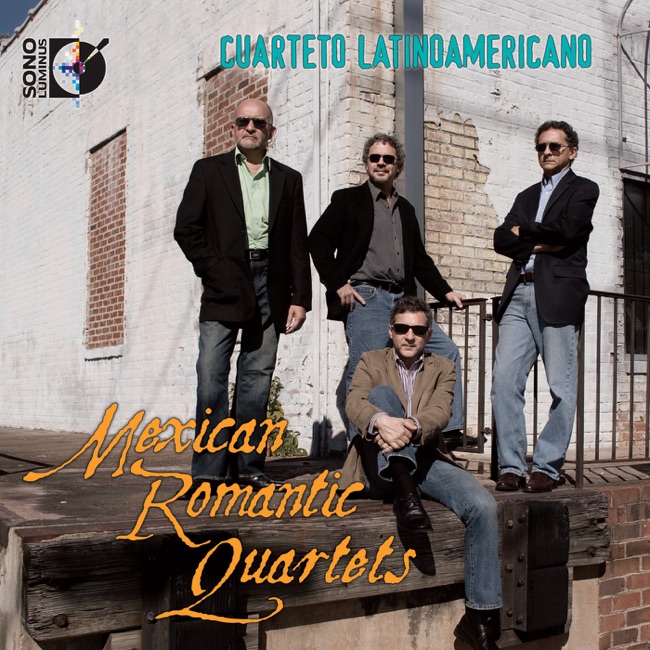 April 26, 2011
 -
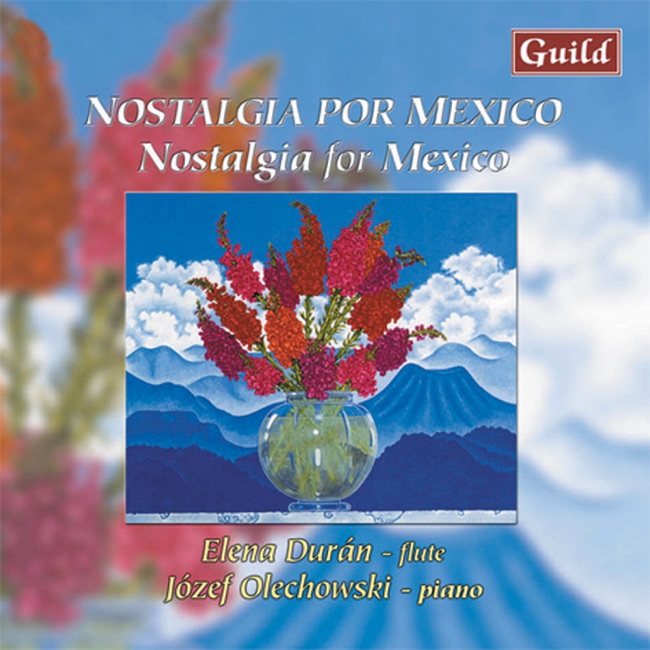 July 20, 2000
Vocal
Artist Info
Role:ComposerCountry: MexicoBirth:1875 in Culiacán, Sinaloa, MexicoDeath:1945 in Mexico City, MexicoGenre:KeyboardOrchestralAlfredo Carrasco was a Mexican composer and pianist who was born on August 22, 1937, in Mexico City. He was the son of a musician and grew up in a family that was passionate about music. Carrasco began his musical education at a young age, studying piano with his father and later with the renowned Mexican pianist, Amparo Iturbi. Carrasco's talent as a composer was evident from an early age, and he began composing music while still in his teens. He studied composition at the National Conservatory of Music in Mexico City, where he was a student of Carlos Chávez, one of Mexico's most important composers. Carrasco also studied with other prominent Mexican composers, including Julián Orbón and Salvador Contreras. Carrasco's early works were influenced by the music of his native Mexico, as well as by the European classical tradition. He was particularly interested in the music of the Baroque period, and his early compositions often featured contrapuntal textures and intricate harmonies. One of his earliest works, the String Quartet No. 1, was composed when he was just 19 years old and was premiered by the Mexico City String Quartet in 1957. In the 1960s, Carrasco began to experiment with new compositional techniques, including serialism and aleatoric music. His works from this period, such as the Piano Sonata No. 1 and the String Quartet No. 2, are characterized by their complex rhythms and dissonant harmonies. Carrasco's music from this period was often challenging for audiences, but it was also highly regarded by critics and fellow composers. In the 1970s, Carrasco's music became more accessible, and he began to incorporate elements of Mexican folk music into his compositions. His works from this period, such as the Suite Mexicana for piano and the Sinfonía de los Volcanes, are characterized by their colorful orchestration and lively rhythms. Carrasco's music from this period was well-received by audiences and helped to establish him as one of Mexico's leading composers. Carrasco's later works continued to explore new compositional techniques, including electronic music and microtonality. His works from this period, such as the String Quartet No. 4 and the Piano Sonata No. 3, are characterized by their innovative use of sound and their exploration of new musical territories. Throughout his career, Carrasco was also an active performer, both as a pianist and as a conductor. He performed his own works as well as the works of other composers, and he was known for his passionate and expressive interpretations. Carrasco was also a respected teacher, and he taught composition at the National Conservatory of Music in Mexico City for many years. Carrasco's contributions to Mexican music were recognized with numerous awards and honors. He was awarded the National Prize for Arts and Sciences in the Fine Arts in 1993, and he was named a member of the Mexican Academy of Arts in 1995. He was also awarded the Order of the Aztec Eagle, Mexico's highest civilian honor, in 2001. Alfredo Carrasco passed away on January 13, 2010, at the age of 72. He left behind a rich legacy of music that continues to be performed and admired by audiences around the world. His works are characterized by their innovative use of sound and their exploration of new musical territories, and they continue to inspire and challenge musicians and audiences alike.More....
Recent Artist Music




Copyright Ⓒ 2013 Davinci Finger. All rights reseved
Service Terms & Policy