


Ernst Hermann Meyer
Released Album
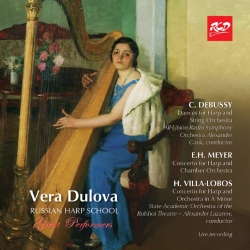
Concerto
-
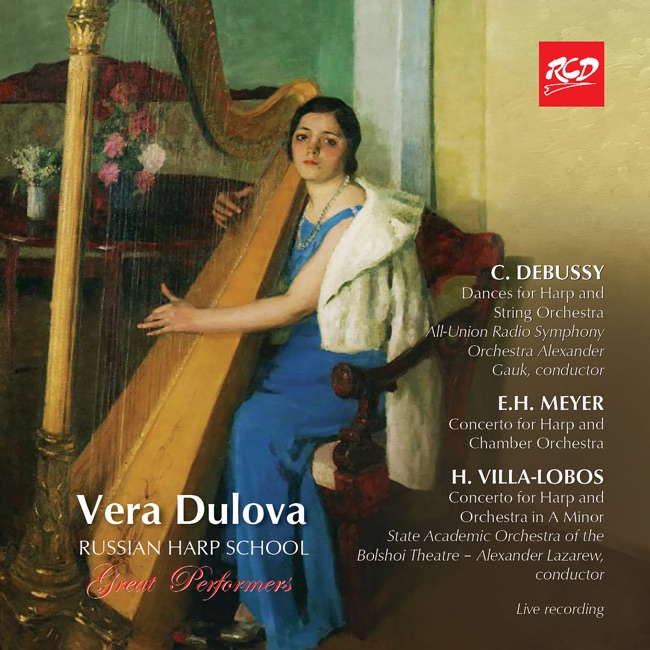 May 2, 2023
 -
 June 14, 2011
 -
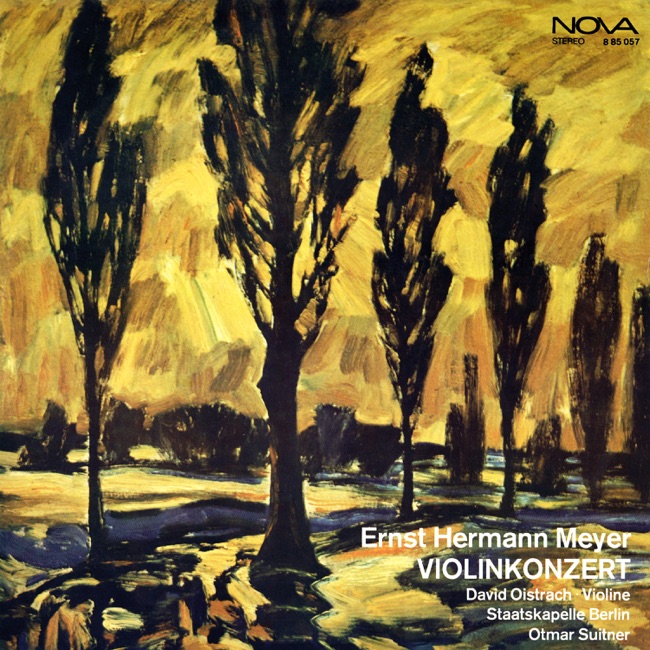 January 1, 1974
Vocal
-
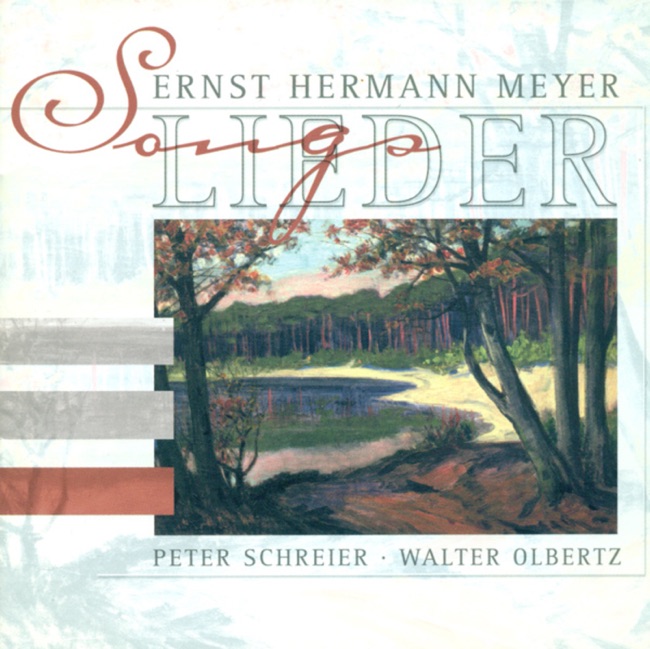 June 15, 1997
Artist Info
Role:ComposerCountry: GermanyBirth:December 8, 1905 in Berlin, GermanyDeath:October 8, 1988 in Berlin, GermanyPeriod:ModernGenre:VocalErnst Hermann Meyer was a German composer, musicologist, and music educator who was born on December 13, 1905, in Berlin, Germany. He was the son of a Jewish family, and his father was a successful businessman. Meyer showed an early interest in music and began taking piano lessons at the age of six. He later studied composition with Franz Schreker at the Berlin Hochschule für Musik and completed his studies in 1929. Meyer's early compositions were influenced by the music of Arnold Schoenberg and the Second Viennese School. However, he soon developed his own style, which was characterized by a strong sense of structure and a preference for tonality. His music was also influenced by his interest in Marxist philosophy, and he often used music as a means of expressing political and social ideas. In the 1930s, Meyer became involved in left-wing politics and was a member of the Communist Party of Germany. He was forced to flee Germany in 1933 after the Nazis came to power, and he spent the next few years living in various countries, including France, Switzerland, and the Soviet Union. During this time, he continued to compose and also worked as a music critic and journalist. Meyer returned to Germany in 1949 and became a professor of composition at the Berlin Hochschule für Musik. He also became involved in music education and was a strong advocate for the use of music as a means of social and political education. He wrote several books on music theory and analysis, including "The Concept of the Musical Work" and "Musical Form as a Process." Meyer's compositions from the 1950s and 1960s are characterized by a more experimental approach, with a focus on serialism and atonality. However, he continued to use tonality in his music, and his works often had a strong sense of melody and rhythm. Some of his most notable works from this period include his Symphony No. 1, String Quartet No. 2, and Piano Sonata No. 2. In the 1970s, Meyer's music became more tonal again, and he began to incorporate elements of folk music and jazz into his compositions. He also continued to write music for the stage, including several operas and ballets. Some of his most notable works from this period include his Symphony No. 5, "The Ballad of the Good People," and "The Legend of the Invisible City of Kitezh." Meyer continued to compose and teach until his death on March 16, 1988, in East Berlin, Germany. He was a prolific composer who wrote over 200 works in a variety of genres, including symphonies, concertos, chamber music, and vocal music. His music was often politically and socially engaged, and he used it as a means of expressing his ideas about society and culture. He was also a respected musicologist and educator who made significant contributions to the field of music theory and analysis.More....

Copyright Ⓒ 2013 Davinci Finger. All rights reseved
Service Terms & Policy