


Benedetto Ferrari
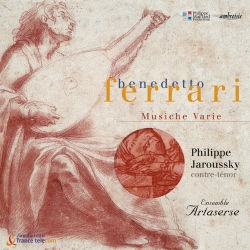
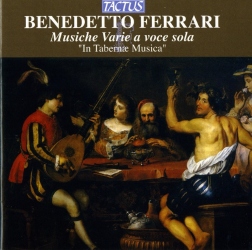
Released Album
Vocal
-
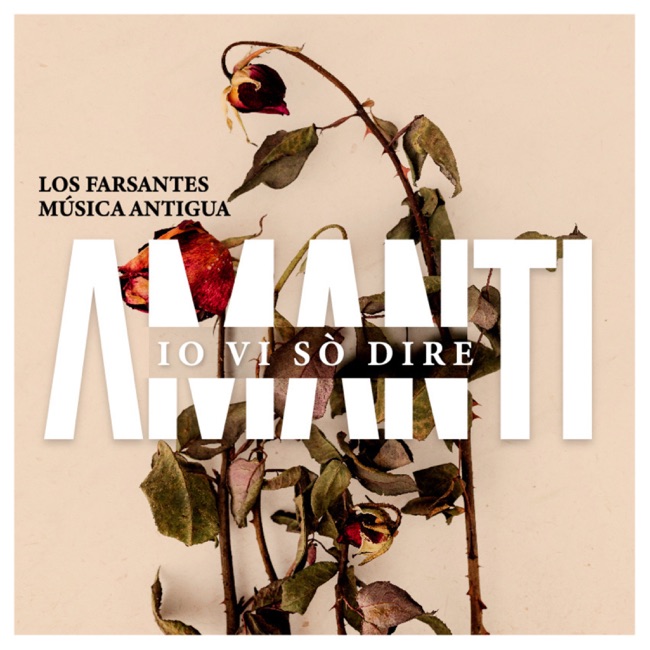 August 19, 2022
 -
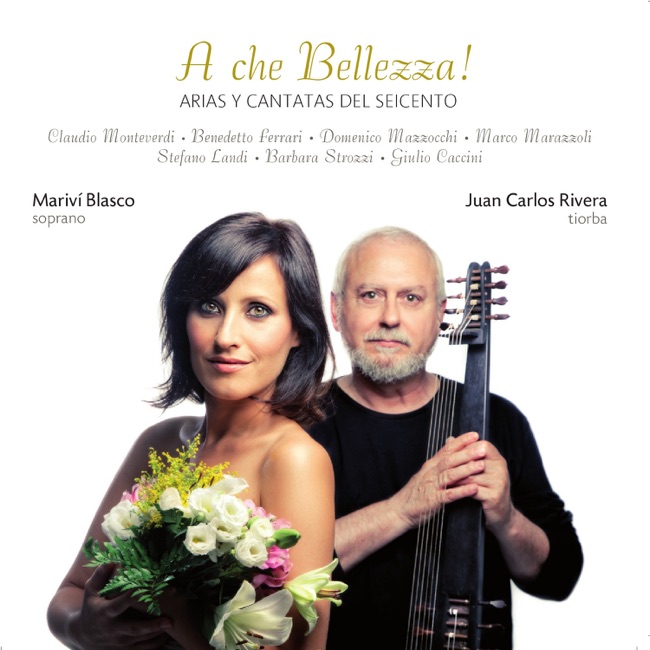 January 13, 2015
 -
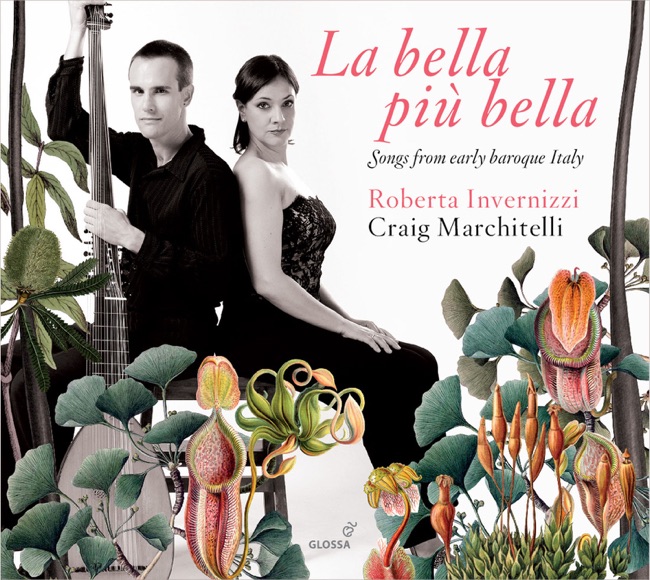 January 13, 2014
 -
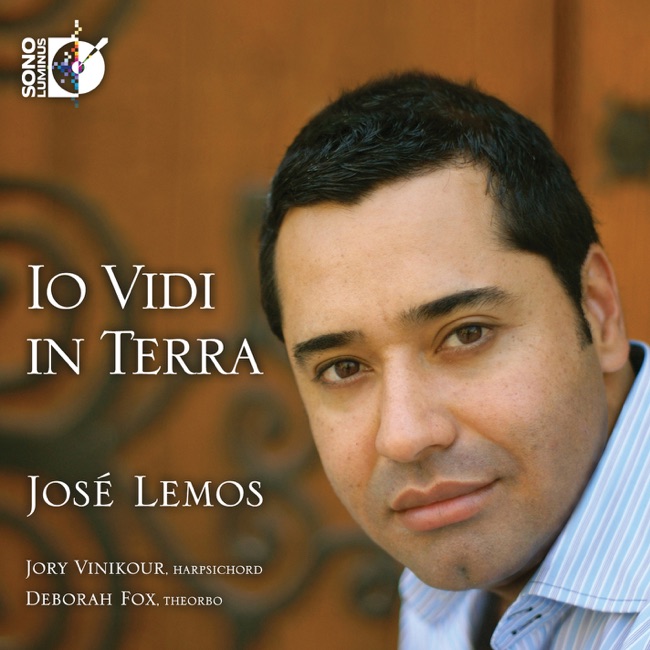 September 3, 2013
 -
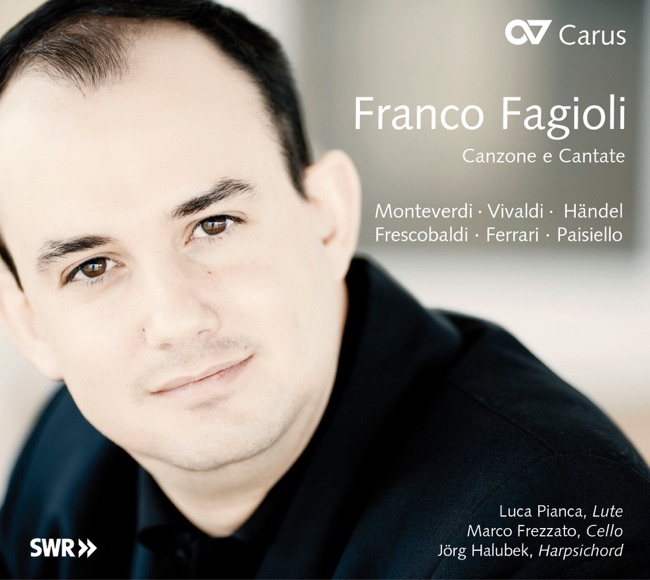 November 1, 2010
 -
Miscellaneous
-
 January 17, 2000
Choral
-
 March 11, 2022
 -
-
Artist Info
Role:ComposerCountry: ItalyBirth:1603 in Reggio nell'Emilia, ItalyDeath:October 22, 1681 in Modena, ItalyPeriod:BaroqueGenre:ChoralVocalBenedetto Ferrari was an Italian composer of the Baroque era, born in Reggio Emilia in 1603. He was the son of a musician, and his father's influence led him to pursue a career in music. Ferrari began his musical education at a young age, studying with local musicians in his hometown. He later moved to Rome, where he continued his studies and began to establish himself as a composer. Ferrari's early works were primarily vocal music, including madrigals and motets. He was known for his skillful use of harmony and counterpoint, and his music was highly regarded by his contemporaries. In 1628, Ferrari was appointed as the maestro di cappella at the Basilica of San Giovanni in Laterano, one of the most prestigious musical positions in Rome. During his time in Rome, Ferrari became associated with the Accademia degli Umoristi, a group of poets and musicians who were known for their witty and satirical works. Ferrari collaborated with several members of the group, including the poet Giovanni Battista Guarini, on a series of musical comedies known as the "Favole boscarecce." These works were highly popular and helped to establish Ferrari's reputation as a composer of both serious and comic music. In 1637, Ferrari left Rome and moved to Venice, where he became the maestro di cappella at the Basilica of San Marco. He remained in this position for the rest of his life, and his tenure there was marked by a prolific output of sacred music. Ferrari composed numerous masses, motets, and psalm settings, many of which were performed at the basilica. In addition to his sacred music, Ferrari also composed secular vocal music, including cantatas and operas. His operas were particularly notable for their use of recitative, a style of singing that was becoming increasingly popular in the Baroque era. Ferrari's operas were performed in Venice and other cities throughout Italy, and they helped to establish him as one of the leading composers of his time. Ferrari's music was highly regarded by his contemporaries, and he was praised for his skillful use of harmony and counterpoint. His works were known for their expressive melodies and their ability to convey a wide range of emotions. Ferrari was also known for his use of chromaticism, a technique that involved the use of notes outside of the traditional diatonic scale. This technique gave his music a distinctive sound and helped to establish him as a composer of great originality. Despite his success as a composer, Ferrari's personal life was marked by tragedy. He was married twice, and both of his wives died young. He also lost several of his children to illness. Despite these hardships, Ferrari continued to compose music throughout his life, and his works remain an important part of the Baroque repertoire. Some of Ferrari's most notable works include his "Favole boscarecce," a series of musical comedies that were highly popular in his time. He also composed numerous sacred works, including masses, motets, and psalm settings. His secular vocal music, including cantatas and operas, was also highly regarded. Ferrari's music was influential in the development of Baroque music, and his use of chromaticism and expressive melodies helped to pave the way for later composers such as Johann Sebastian Bach and George Frideric Handel. Despite his relatively short life, Ferrari left a lasting legacy in the world of classical music, and his works continue to be performed and studied today.More....
Copyright Ⓒ 2013 Davinci Finger. All rights reseved
Service Terms & Policy