


Joseph Noyon
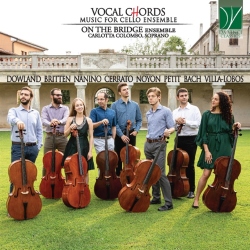
Released Album
Choral
-
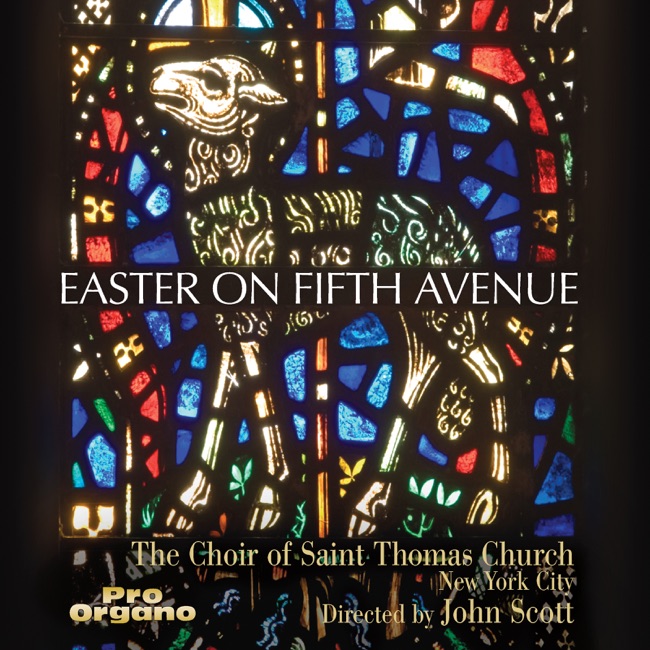 March 13, 2007
Chamber
-
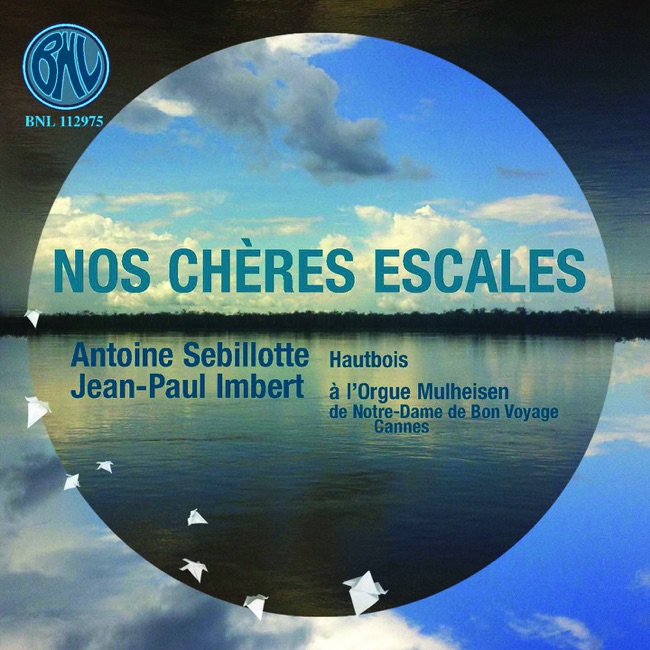 May 12, 2015
Artist Info
Role:ComposerGenre:ChoralJoseph Noyon was a French composer and organist who lived from 1888 to 1962. He was born in the town of Roubaix, in the northern region of France, on May 17, 1888. His father was a music teacher, and his mother was a singer, so it was natural for Joseph to be exposed to music from a young age. He began studying the piano and the organ at the age of six, and showed great talent and dedication to his craft. Noyon's musical education continued at the Lille Conservatory, where he studied under the renowned organist and composer Charles-Marie Widor. Noyon was a gifted student, and he quickly became one of Widor's star pupils. He won several prizes and awards for his performances and compositions, and he was soon recognized as one of the most promising young musicians of his generation. After completing his studies at the Lille Conservatory, Noyon moved to Paris to continue his musical education. He studied at the Paris Conservatory under the tutelage of another famous composer and organist, Louis Vierne. Noyon was deeply influenced by Vierne's style, which was characterized by its grandeur, complexity, and emotional intensity. Noyon's own compositions would later reflect these same qualities. Noyon's career as a composer and organist began in earnest in the early 1910s. He began to publish his compositions and to perform in concerts throughout France and Europe. His music was well-received by audiences and critics alike, and he quickly gained a reputation as one of the most talented and innovative composers of his time. One of Noyon's most famous works is his Symphony No. 1 for Organ and Orchestra, which he composed in 1927. The symphony is a grand and majestic work, with sweeping melodies and intricate harmonies. It showcases Noyon's mastery of the organ, as well as his ability to write for a large orchestra. The symphony was premiered in Paris in 1928, and it was an instant success. It has since become one of Noyon's most beloved and frequently performed works. Another notable work by Noyon is his Suite for Organ, which he composed in 1932. The suite is a collection of five pieces, each of which showcases a different aspect of the organ's capabilities. The pieces range from the delicate and introspective to the grand and majestic, and they demonstrate Noyon's versatility as a composer. The Suite for Organ has become a staple of the organ repertoire, and it is frequently performed in churches and concert halls around the world. In addition to his work as a composer, Noyon was also a highly respected organist. He served as the organist at several churches in Paris, including the Church of Saint-Sulpice and the Church of Saint-Eustache. He was known for his virtuosic performances and his ability to bring out the full range of colors and textures in the organ. He was also a dedicated teacher, and he taught at the Paris Conservatory for many years. Noyon's career as a composer and organist spanned several decades, and he continued to write and perform music until his death in 1962. His music has had a lasting impact on the classical music world, and it continues to be performed and admired by musicians and audiences around the world. Noyon's legacy as a composer and organist is a testament to his talent, dedication, and passion for music.More....
Recent Artist Music
Copyright Ⓒ 2013 Davinci Finger. All rights reseved
Service Terms & Policy