


Richard Trunk
Released Album
Vocal
-
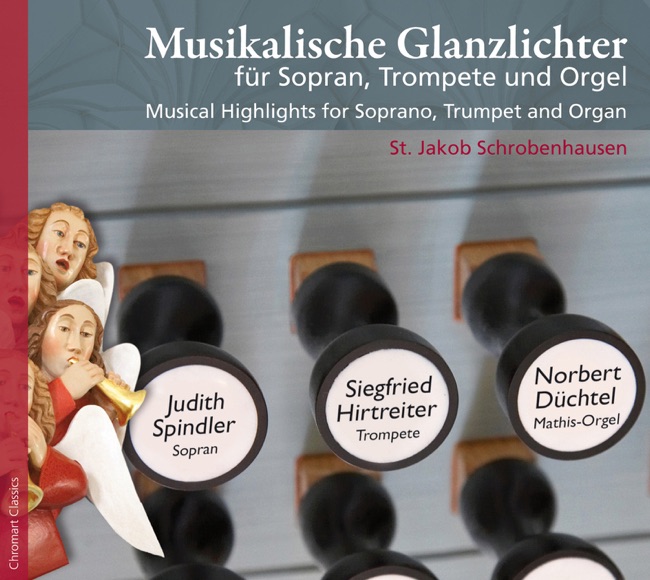 January 28, 2014
 -
 January 1, 1996
Artist Info
Role:ComposerBirth:1879Death:1968Genre:VocalRichard Trunk was a German composer and musicologist who was born on February 5, 1879, in Frankfurt am Main, Germany. He was the son of a music teacher and grew up in a musical family. Trunk showed an early interest in music and began playing the piano at a young age. He later studied music theory and composition at the Hoch Conservatory in Frankfurt. After completing his studies, Trunk worked as a music teacher and conductor in various cities in Germany. He also began composing his own music, which was heavily influenced by the Romantic era. Trunk's early works included chamber music, piano pieces, and songs. In 1912, Trunk was appointed as the director of the music department at the University of Heidelberg. He held this position until 1933 when he was forced to resign due to the rise of the Nazi party in Germany. Trunk was a vocal opponent of the Nazi regime and refused to join the Nazi party. As a result, he was blacklisted and his music was banned from public performance. Despite the political turmoil in Germany, Trunk continued to compose music in secret. He wrote several works during this time, including his Symphony No. 2, which was completed in 1936. The symphony was a reflection of Trunk's personal struggles during the Nazi regime and was dedicated to his wife, who was also a musician. After World War II, Trunk's music was rediscovered and he was able to resume his career as a composer and musicologist. He was appointed as a professor of musicology at the University of Heidelberg in 1946 and held this position until his retirement in 1950. Trunk's music is characterized by its Romantic style and use of traditional forms. His works include symphonies, chamber music, piano pieces, and songs. Some of his most notable works include his Symphony No. 1, which was completed in 1927, and his Piano Concerto, which was completed in 1930. Trunk's Symphony No. 1 is a four-movement work that showcases his mastery of orchestration and use of traditional forms. The first movement is a sonata form that features a lyrical theme played by the strings. The second movement is a scherzo that features a playful melody played by the woodwinds. The third movement is a slow and melancholic adagio that features a beautiful melody played by the strings. The final movement is a rondo that features a lively and energetic theme played by the entire orchestra. Trunk's Piano Concerto is a three-movement work that features a virtuosic piano part and lush orchestration. The first movement is a sonata form that features a dramatic piano introduction followed by a lyrical theme played by the strings. The second movement is a slow and introspective adagio that features a beautiful piano melody accompanied by the orchestra. The final movement is a rondo that features a lively and energetic piano part accompanied by the entire orchestra. Trunk's music has been praised for its emotional depth and technical mastery. His works have been performed by orchestras and chamber ensembles around the world and continue to be studied and admired by musicologists and musicians alike. Richard Trunk died on January 31, 1968, in Heidelberg, Germany, leaving behind a legacy of beautiful and inspiring music.More....
Recent Artist Music
1
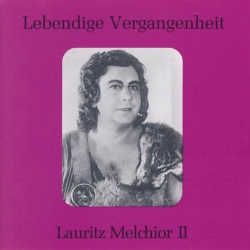
4:26

Copyright Ⓒ 2013 Davinci Finger. All rights reseved
Service Terms & Policy