


Johann Rudolf Ahle
Released Album
Vocal
-
 October 19, 2018
 -
 June 22, 2018
Choral
-
 October 14, 2016
 -
 March 15, 2011
 -
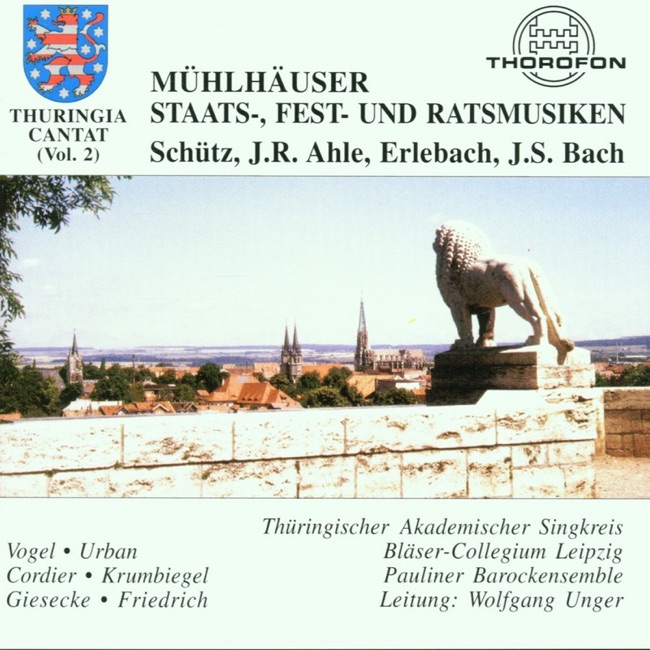 September 2, 2008
 -
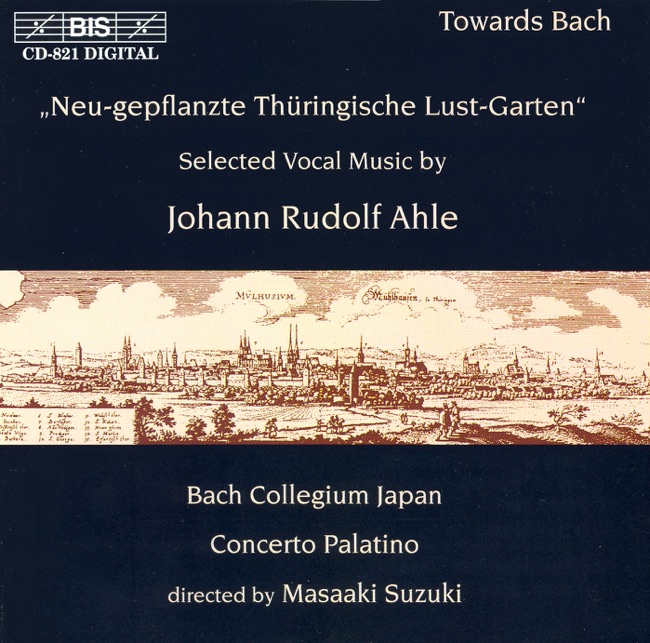 March 18, 1997
Keyboard
-
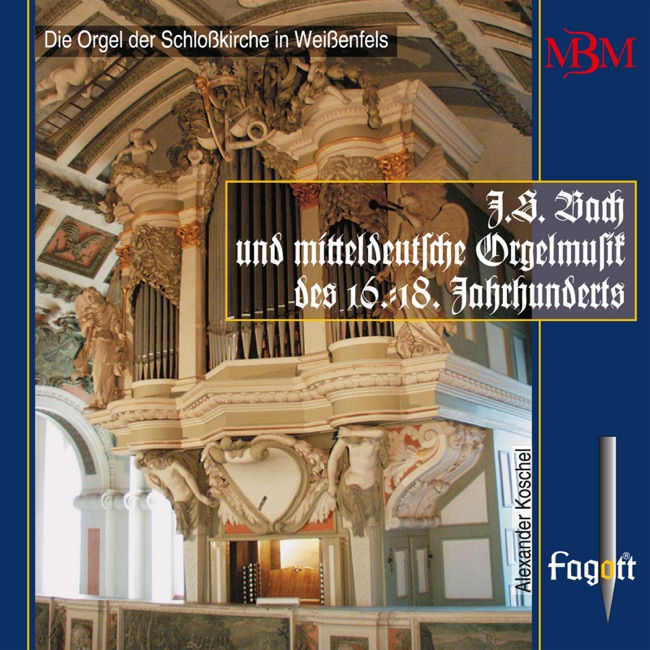 December 11, 2007
Artist Info
Role:ComposerCountry: GermanyBirth:December 24, 1625 in Mühlhausen, GermanyDeath:July 9, 1673 in Mühlhausen, GermanyPeriod:BaroqueGenre:ChoralConcertoVocalJohann Rudolf Ahle was a German composer and musician who lived during the Baroque period. He was born on December 24, 1625, in Mühlhausen, Germany. Ahle was the son of a musician and was raised in a musical family. His father, Johann Georg Ahle, was a town musician, and his mother, Anna Maria, was a singer. Ahle's parents recognized his musical talent at an early age and encouraged him to pursue a career in music. Ahle received his early musical education from his father and other local musicians. He learned to play several instruments, including the organ, violin, and trumpet. Ahle's talent as a composer was also evident from an early age, and he began writing music while still a teenager. In 1646, Ahle moved to Erfurt, Germany, where he became the organist at the Predigerkirche. He held this position for several years before moving to Mühlhausen in 1652 to become the organist at the Marienkirche. Ahle remained in Mühlhausen for the rest of his life, serving as the town's music director and composing music for the local churches. Ahle's music was heavily influenced by the Baroque style, which was characterized by elaborate ornamentation, complex harmonies, and a focus on instrumental music. Ahle's compositions were primarily vocal, and he wrote a large number of sacred works, including cantatas, motets, and chorales. His music was known for its expressive melodies, rich harmonies, and intricate counterpoint. One of Ahle's most famous works is his Christmas cantata, "Ich bringe dir, o Jesu, heute," which was first performed in 1664. The cantata tells the story of the Nativity and features a mix of solo and choral singing, as well as instrumental accompaniment. The piece is notable for its use of traditional Christmas carols, which are woven into the fabric of the composition. Another of Ahle's notable works is his "Magnificat," which is a setting of the biblical text known as the Song of Mary. The piece features a mix of solo and choral singing, as well as instrumental accompaniment. The "Magnificat" is notable for its use of complex harmonies and intricate counterpoint, which create a rich and expressive musical texture. Ahle also wrote a number of chorales, which were hymns that were sung by the congregation during church services. His chorales were known for their simple melodies and harmonies, which made them easy for the congregation to sing. One of his most famous chorales is "Herzlich lieb hab ich dich, o Herr," which is still sung in churches today. Ahle's music was highly regarded during his lifetime, and he was considered one of the leading composers of his time. His works were performed throughout Germany and were widely published. Ahle was also known for his teaching, and he trained a number of talented musicians who went on to become successful composers in their own right. Ahle died on July 9, 1673, in Mühlhausen, Germany. He was buried in the Marienkirche, where he had served as the organist for over 20 years. Today, Ahle is remembered as one of the most important composers of the Baroque period, and his music continues to be performed and studied by musicians around the world.More....
Recent Artist Music
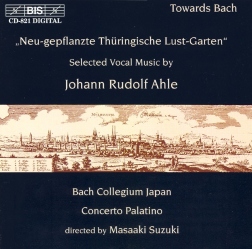
4
5:31
5
4:12
12
Stay with us, because it's getting late (from Newly Planted Thuringian Lust Garden)
Bleib bei uns, denn es will Abend werden
5:32
Related Artists
Copyright Ⓒ 2013 Davinci Finger. All rights reseved
Service Terms & Policy