


Carlos Fariñas
Released Album
Keyboard
-
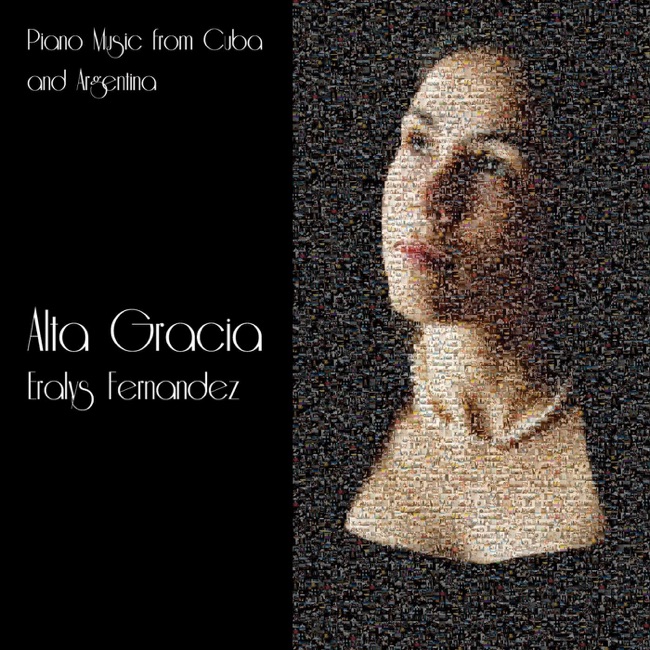 April 10, 2013
 -
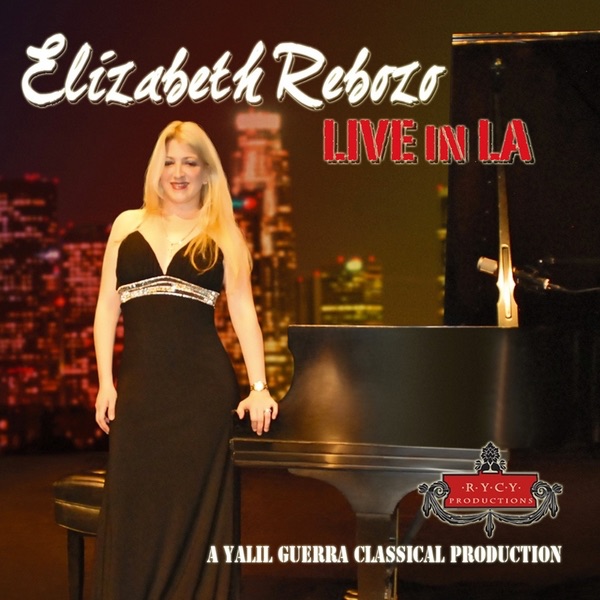 May 18, 2012
 -
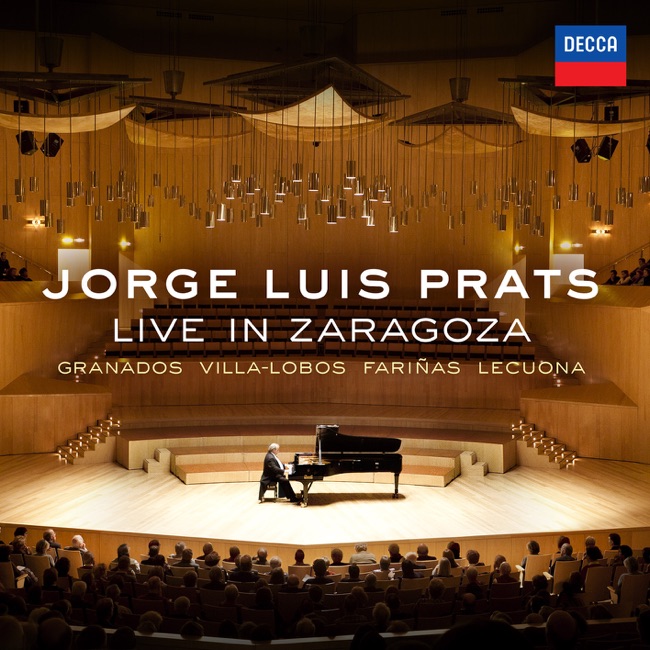 April 3, 2012
 -
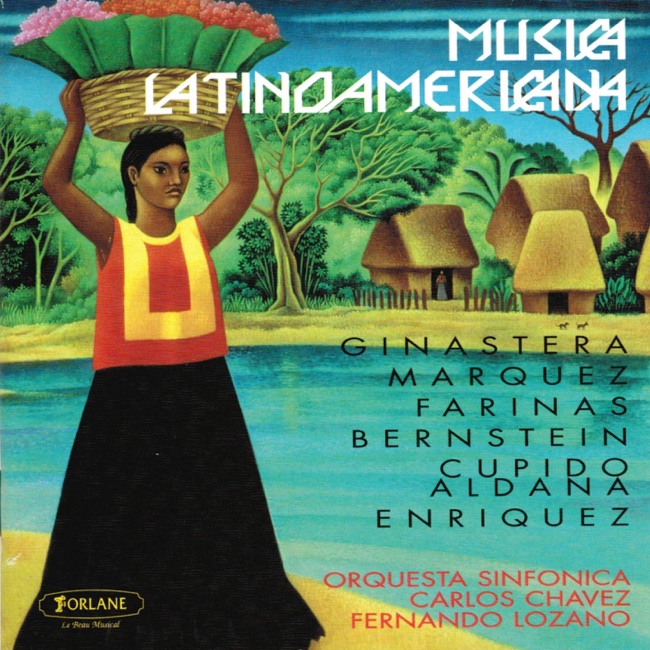 March 21, 1995
Chamber
-
 November 6, 2020
 -
 October 11, 2019
 -
 2018
2018 -
 August 14, 2015
 -
 March 16, 2004
 -
 April 6, 1999
Artist Info
Role:ComposerCountry: CubaBirth:1934 in CienfuegosDeath:2002 in La Habana, CubaPeriod:ContemporaryGenre:ChamberCarlos Fariñas was a Cuban composer who was born on January 21, 1934, in Havana, Cuba. He was the son of a prominent Cuban composer, Carlos Fariñas Sr., who was also a conductor and music educator. Fariñas Jr. grew up in a musical family and began studying music at a young age. He studied piano, composition, and conducting at the National Conservatory of Music in Havana. Fariñas was a prolific composer who wrote music in a variety of genres, including orchestral, chamber, vocal, and electronic music. He was known for his innovative use of electronic music and his incorporation of Cuban folk music into his compositions. Fariñas' early works were influenced by the neoclassical style of composers such as Stravinsky and Hindemith. His first major work, the Suite for Orchestra, was premiered in 1957 and received critical acclaim. In the 1960s, Fariñas began experimenting with electronic music and became one of the pioneers of electronic music in Cuba. He founded the Electronic Music Studio at the National Conservatory of Music in Havana in 1967 and began composing works for tape and live electronics. One of Fariñas' most famous works is his electroacoustic composition, Puntos I. The piece was composed in 1968 and is considered a landmark work in the history of electronic music in Cuba. Puntos I incorporates traditional Cuban rhythms and instruments, such as the bata drum, into an electronic soundscape. The piece was premiered at the Festival of Electronic Music in Bourges, France, in 1970 and received international recognition. Fariñas continued to compose electronic music throughout the 1970s and 1980s, but he also wrote works for traditional instruments and ensembles. One of his most famous works for orchestra is his Symphony No. 1, which was premiered in 1975. The symphony is a complex and challenging work that showcases Fariñas' mastery of orchestration and his ability to blend traditional and modern musical elements. In addition to his orchestral and electronic works, Fariñas also wrote a number of chamber music pieces. One of his most famous chamber works is his String Quartet No. 2, which was composed in 1981. The quartet is a virtuosic and challenging work that showcases Fariñas' skill as a composer and his ability to write for individual instruments. Fariñas' music was often politically charged and reflected his views on the social and political issues of his time. He was a vocal critic of the Cuban government and its policies, and his music often reflected his opposition to the regime. In 1990, Fariñas left Cuba and moved to the United States, where he continued to compose and teach music. Carlos Fariñas died on June 6, 2002, in Miami, Florida. He left behind a legacy of innovative and groundbreaking music that continues to inspire and influence composers today. His music is a testament to his creativity, his technical skill, and his commitment to using music as a means of social and political commentary.More....
Recent Artist Music



11
8:14
Copyright Ⓒ 2013 Davinci Finger. All rights reseved
Service Terms & Policy