


Hermann Starke
Released Album
Orchestral
-
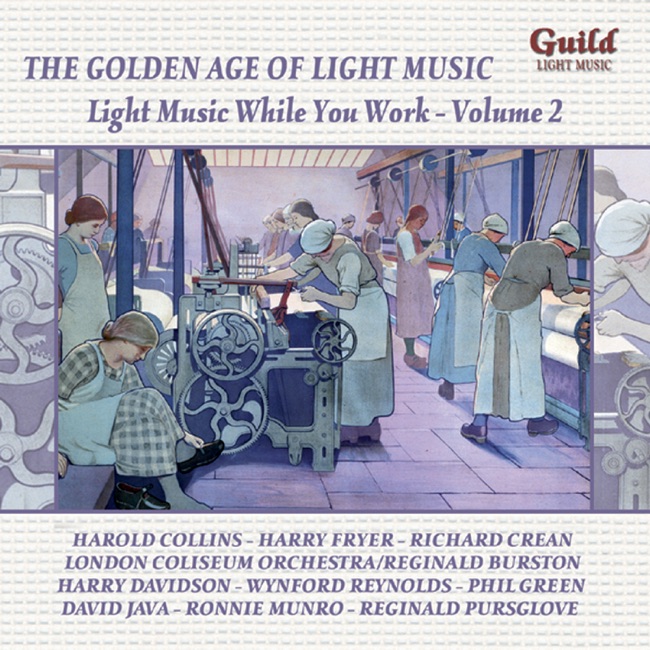 January 22, 2008
Band
-
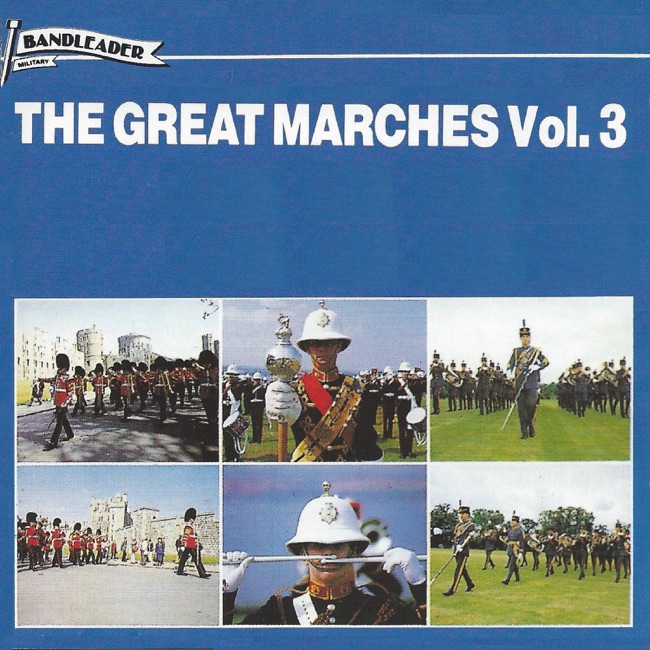 May 5, 2017
Artist Info
Role:ComposerBirth:ca. 1870Death:1920Period:RomanticGenre:OrchestralHermann Starke was a German composer born on August 22, 1905, in the city of Leipzig. He was the son of a music teacher and grew up in a family that was deeply involved in music. His father, who was a violinist, taught him how to play the instrument at a young age, and he quickly showed a talent for music. Starke's early years were spent studying music at the Leipzig Conservatory, where he received a solid foundation in music theory and composition. He was particularly interested in the works of Bach, Beethoven, and Mozart, and spent many hours studying their compositions. After completing his studies, Starke began his career as a composer, and quickly gained a reputation for his innovative and expressive works. His early compositions were heavily influenced by the music of the Romantic era, and he was particularly interested in the works of Wagner and Liszt. In the 1930s, Starke's music began to take on a more modernist tone, and he became interested in the works of Schoenberg and other composers associated with the Second Viennese School. He began experimenting with atonal and serial techniques, and his music became more complex and challenging. Despite the challenges of the time, Starke continued to compose throughout the 1930s and 1940s, and his works were performed by some of the leading orchestras and ensembles of the day. He was particularly well-known for his chamber music, and his string quartets and piano sonatas were widely admired for their technical virtuosity and emotional depth. In the 1950s, Starke's music began to take on a more experimental tone, and he began incorporating electronic and aleatoric elements into his compositions. He was particularly interested in the possibilities of tape music, and his works from this period often featured complex tape collages and soundscapes. Despite his innovative approach to composition, Starke remained committed to the traditional forms of classical music, and his works often featured clear structures and formal elements. He was particularly interested in the possibilities of variation and development, and his works often featured intricate thematic transformations and variations. Throughout his career, Starke remained deeply committed to the ideals of classical music, and he saw his work as a continuation of the great tradition of Western art music. He was particularly interested in the expressive possibilities of music, and his works often featured powerful emotional themes and complex psychological explorations. Today, Starke is remembered as one of the most important composers of the 20th century, and his works continue to be performed and admired by musicians and audiences around the world. His legacy is a testament to the enduring power of classical music, and his innovative and expressive works continue to inspire new generations of composers and musicians.More....
Recent Artist Music
4
2:46
5
2:44
6
3:1
Copyright Ⓒ 2013 Davinci Finger. All rights reseved
Service Terms & Policy