


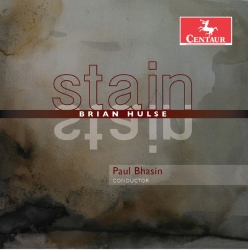
Brian Hulse
Released Album
Chamber
-
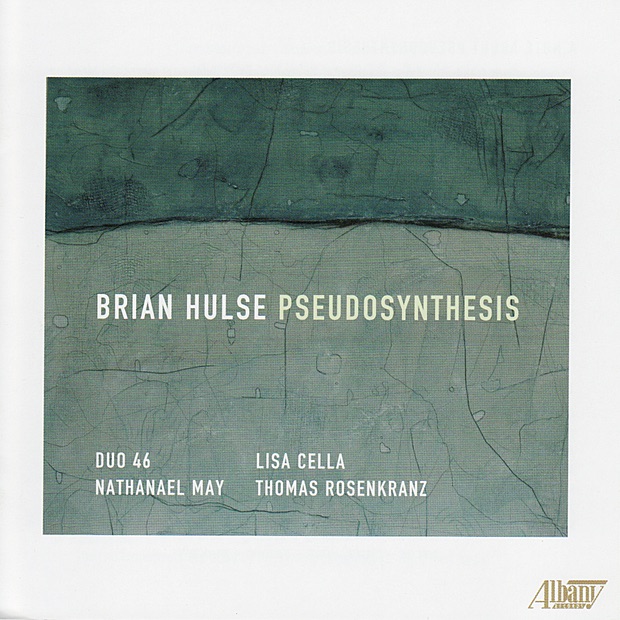 February 10, 2009
Choral
-
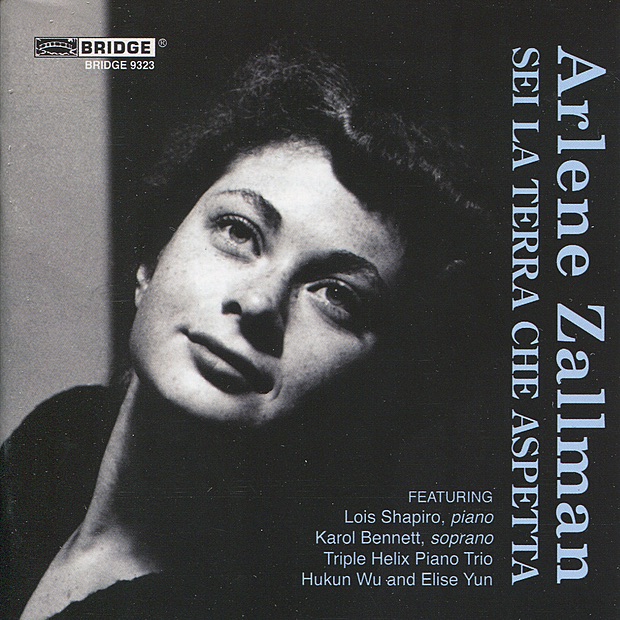 September 14, 2010
Artist Info
Role:Composer ConductorBrian Hulse is a contemporary classical music composer who was born in 1955 in the United Kingdom. He grew up in a musical family, with his father being a professional musician and his mother a music teacher. Hulse began playing the piano at a young age and showed a natural talent for music. He went on to study music at the University of York, where he earned a Bachelor of Music degree in 1976. After completing his undergraduate studies, Hulse continued his education at the University of California, San Diego, where he earned a Master of Music degree in 1978 and a Doctor of Musical Arts degree in 1982. During his time in California, Hulse studied with renowned composers such as Roger Reynolds and Bernard Rands, and he was heavily influenced by the experimental and avant-garde music scene of the time. Hulse's early works were characterized by their use of unconventional techniques and sounds, such as extended techniques on traditional instruments and electronic manipulation of sound. His compositions often explored themes of nature and the environment, and he was particularly interested in the relationship between sound and space. One of Hulse's most notable early works is his 1981 composition "The Green Fuse," which was inspired by the poetry of Dylan Thomas. The piece features a large ensemble of instruments, including strings, winds, and percussion, and incorporates electronic sounds and live processing. "The Green Fuse" was well-received by critics and established Hulse as a rising star in the contemporary classical music world. Throughout the 1980s and 1990s, Hulse continued to compose works that pushed the boundaries of traditional classical music. He experimented with new forms and structures, incorporating elements of jazz and rock music into his compositions. He also began to incorporate more traditional tonal elements into his music, creating a unique blend of avant-garde and classical styles. One of Hulse's most significant works from this period is his 1992 composition "The Four Elements," which was commissioned by the BBC Symphony Orchestra. The piece is a four-movement work that explores the classical elements of earth, air, fire, and water. Each movement features a different solo instrument, and the piece as a whole is characterized by its use of unconventional sounds and textures. In the late 1990s and early 2000s, Hulse began to shift his focus towards more traditional classical forms, such as the symphony and the concerto. He continued to experiment with new sounds and techniques, but his music became more accessible to a wider audience. One of Hulse's most popular works from this period is his 2003 composition "Concerto for Piano and Orchestra." The piece features a solo piano accompanied by a full orchestra, and it incorporates elements of jazz and rock music into its structure. The concerto has been performed by numerous orchestras around the world and has received critical acclaim for its innovative approach to the classical form. In addition to his work as a composer, Hulse has also been active as an educator and mentor. He has taught at several universities, including the University of California, San Diego, and the University of Huddersfield in the UK. He has also served as a mentor to numerous young composers, helping to shape the next generation of classical music innovators. Overall, Brian Hulse is a composer who has made significant contributions to the world of contemporary classical music.More....
Copyright Ⓒ 2013 Davinci Finger. All rights reseved
Service Terms & Policy