


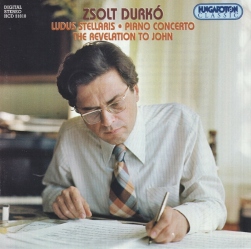
Zsolt Durkó
Released Album
Keyboard
-
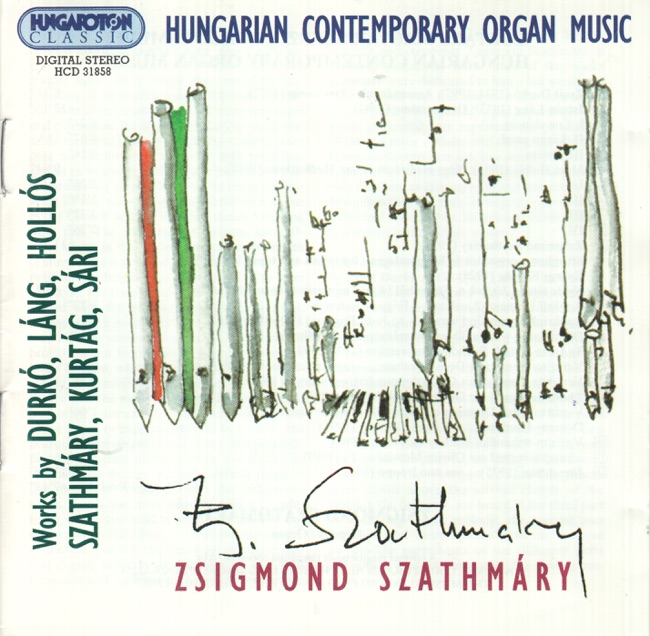 March 1, 2000
 -
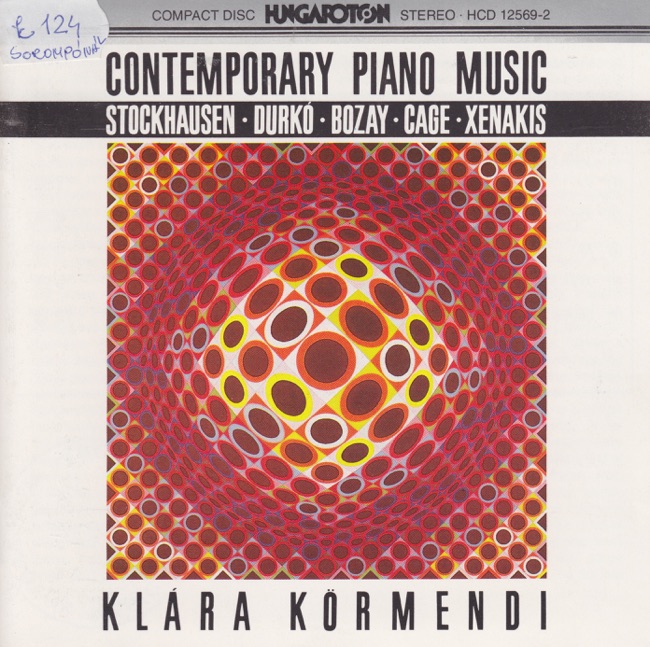
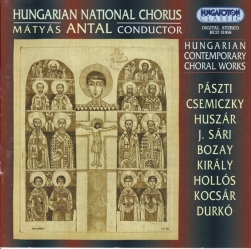
Choral
-
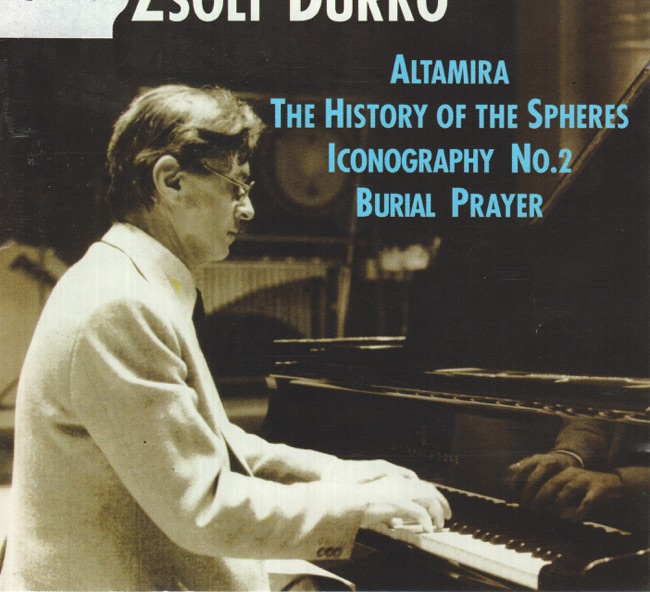
-
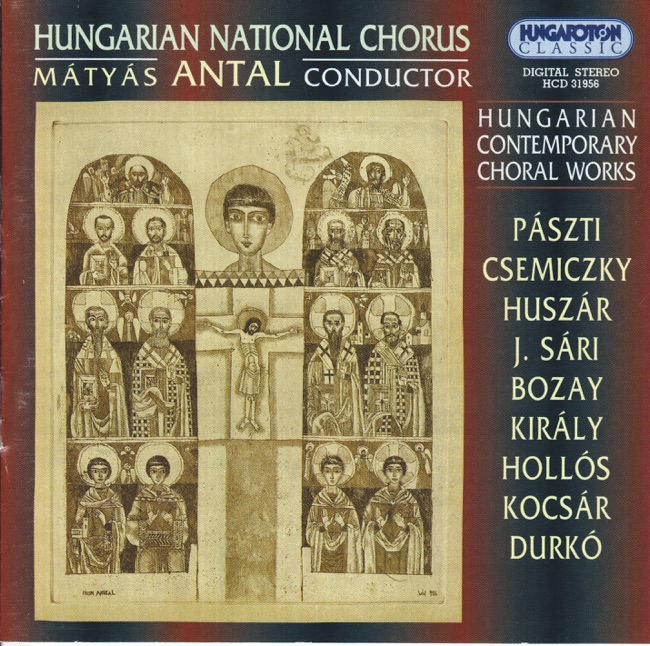 February 26, 2002
 -
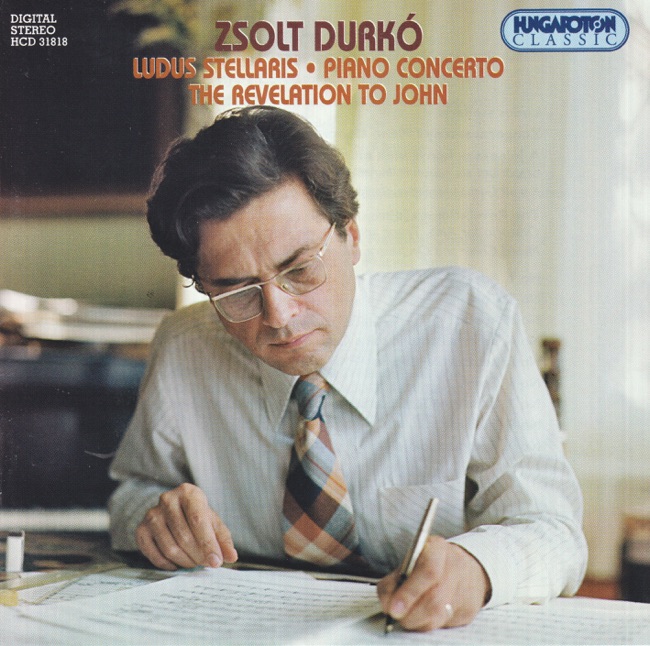 April 1, 1999
Artist Info
Role:ComposerBirth:April 10, 1934Death:1997Period:ContemporaryGenre:ChoralZsolt Durkó was a Hungarian composer who was born on August 27, 1934, in Budapest, Hungary. He was the son of a composer and conductor, and his father's influence played a significant role in his musical development. Durkó began his musical studies at the age of six, and by the time he was a teenager, he was already composing his own music. Durkó studied at the Franz Liszt Academy of Music in Budapest, where he was a student of Zoltán Kodály and Ferenc Farkas. He graduated in 1958 with a degree in composition, and he went on to study at the Moscow Conservatory with Dmitri Shostakovich. Durkó's time in Moscow was a formative experience, and he credited Shostakovich with teaching him the importance of clarity and simplicity in composition. Durkó's early works were heavily influenced by Hungarian folk music, and he was known for his use of unconventional scales and rhythms. His music was also characterized by its use of dissonance and unconventional harmonies. Durkó's early works include his String Quartet No. 1, which was composed in 1956, and his Sonata for Violin and Piano, which was composed in 1958. In the 1960s, Durkó began to experiment with electronic music, and he became one of the pioneers of electronic music in Hungary. His electronic works include his Electronic Music No. 1, which was composed in 1963, and his Electronic Music No. 2, which was composed in 1964. Durkó's electronic works were characterized by their use of tape loops, synthesizers, and other electronic instruments. Durkó's most famous work is his opera, King Pomádé's New Clothes, which was composed in 1973. The opera is based on the story of The Emperor's New Clothes by Hans Christian Andersen, and it is a satirical commentary on the political situation in Hungary at the time. The opera was a critical and commercial success, and it is still performed today. Durkó continued to compose throughout his life, and his later works include his Symphony No. 3, which was composed in 1990, and his String Quartet No. 4, which was composed in 1995. Durkó's later works were characterized by their use of tonality and traditional forms, and they were less experimental than his earlier works. Durkó was a prolific composer, and he composed over 200 works in his lifetime. He was also a respected teacher, and he taught at the Franz Liszt Academy of Music in Budapest for many years. Durkó was awarded numerous awards and honors throughout his career, including the Kossuth Prize, which is the highest honor that can be awarded to a Hungarian artist. Durkó died on December 30, 1997, in Budapest, Hungary. He was 63 years old. Durkó's legacy lives on through his music, which continues to be performed and recorded today. His contributions to Hungarian music and electronic music have had a lasting impact, and he is remembered as one of Hungary's most important composers.More....
Recent Artist Music
1
7:25
Copyright Ⓒ 2013 Davinci Finger. All rights reseved
Service Terms & Policy