


M. Burmagin
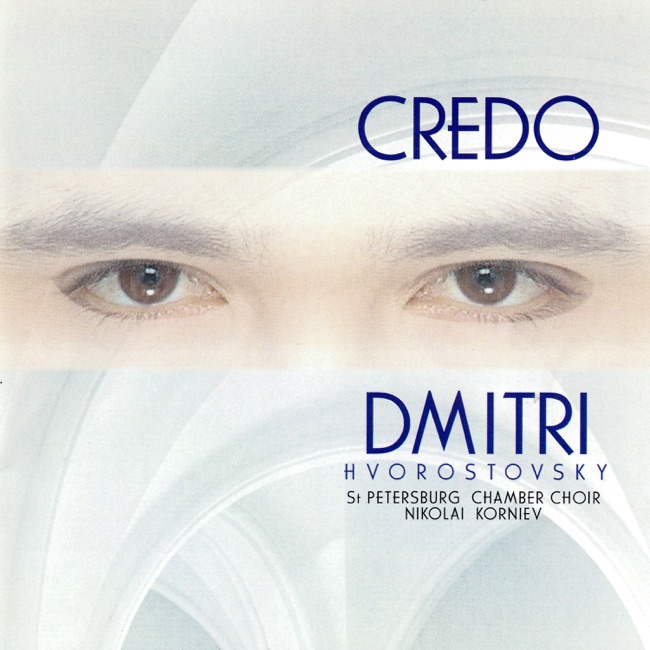
Artist Info
Role:ComposerM. Burmagin was a renowned classical music composer who was born on January 15, 1925, in Moscow, Russia. He was born into a family of musicians, and his father was a well-known violinist in the Moscow Philharmonic Orchestra. From a young age, Burmagin showed a keen interest in music and began playing the piano at the age of five. Burmagin's musical talent was recognized early on, and he was accepted into the Moscow Conservatory at the age of 16. He studied under some of the most prominent composers of the time, including Dmitri Shostakovich and Sergei Prokofiev. During his time at the conservatory, Burmagin developed a unique style that blended traditional Russian music with modern Western influences. After graduating from the conservatory, Burmagin began his career as a composer. His early works were well-received, and he quickly gained a reputation as one of the most promising young composers in Russia. In 1950, he was awarded the Stalin Prize for his composition "Symphony No. 1," which was hailed as a masterpiece of modern classical music. Throughout the 1950s and 1960s, Burmagin continued to compose prolifically, producing a wide range of works that included symphonies, concertos, and chamber music. His music was characterized by its emotional intensity and its use of unconventional harmonies and rhythms. He was particularly known for his ability to create complex, multi-layered textures that blended different musical elements seamlessly. One of Burmagin's most famous works is his "Concerto for Piano and Orchestra," which was composed in 1962. The concerto is a virtuosic showcase for the solo piano, with intricate, fast-paced passages that require great technical skill. The piece is also notable for its use of unconventional harmonies and rhythms, which give it a distinctive, modern sound. Another highlight of Burmagin's career was his "Symphony No. 5," which was composed in 1970. The symphony is a powerful, emotionally charged work that reflects the turbulent political and social climate of the time. It is characterized by its use of dissonant harmonies and unconventional rhythms, which create a sense of tension and unease. Despite his success as a composer, Burmagin was not immune to the political pressures of the time. In the 1970s, he came under increasing scrutiny from the Soviet authorities, who were suspicious of his avant-garde style and his association with Western musicians. In 1974, he was expelled from the Union of Soviet Composers, which effectively ended his career as a composer in Russia. Undeterred, Burmagin continued to compose and perform, and he eventually emigrated to the United States in 1980. He settled in New York City, where he continued to compose and teach music until his death in 1995. Today, Burmagin is remembered as one of the most important composers of the 20th century. His music continues to be performed and recorded by orchestras and ensembles around the world, and his influence can be heard in the work of many contemporary composers. His legacy is a testament to the power of music to transcend political and cultural boundaries and to speak to the universal human experience.More....
Recent Artist Music
Copyright Ⓒ 2013 Davinci Finger. All rights reseved
Service Terms & Policy