


Hans Bottermund
Released Album
Chamber
-

-
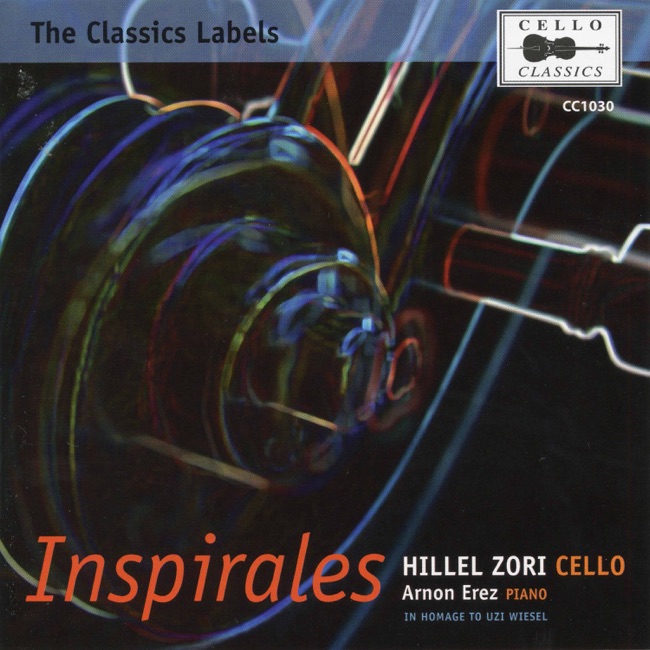 September 30, 2013
 -
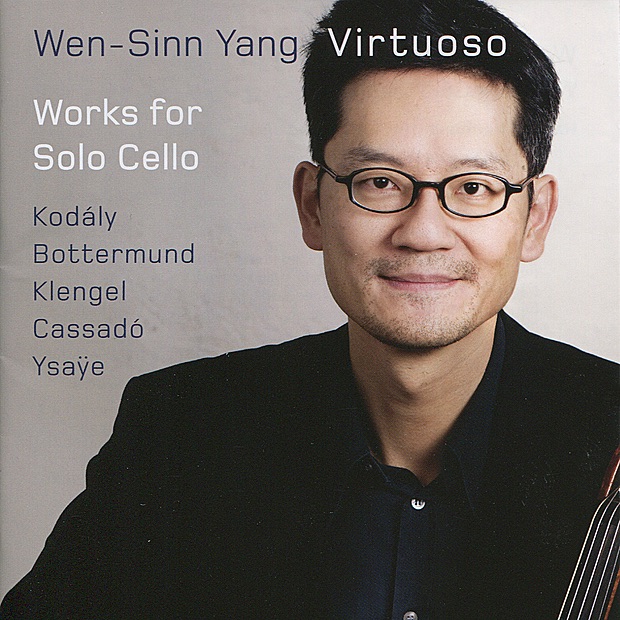 April 13, 2010
 -
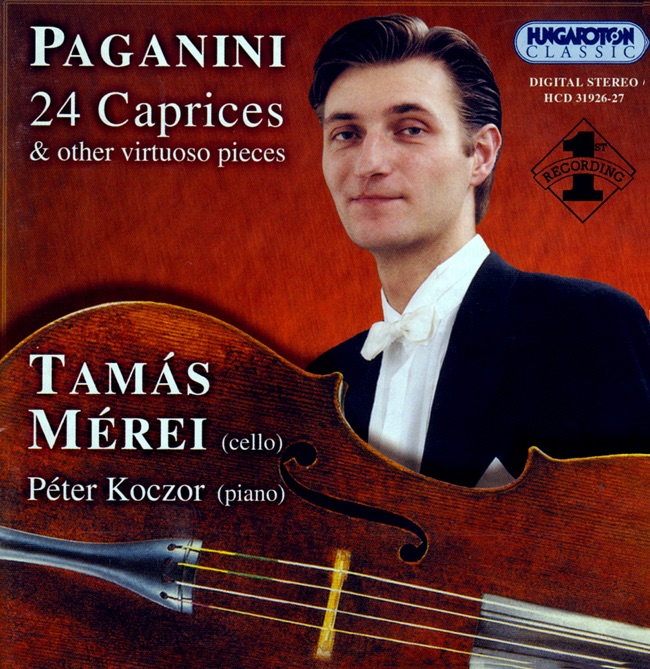 March 15, 2000
 -
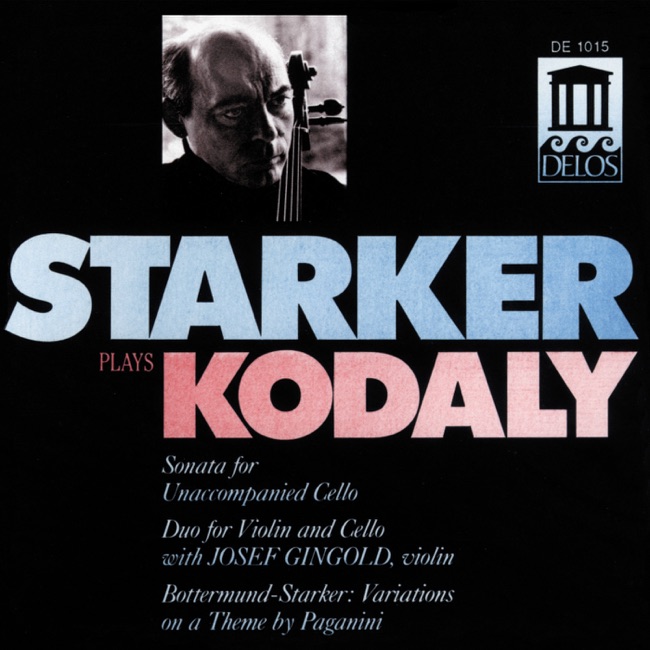 July, 1988
Artist Info
Role:Composer PerformerBirth:1892Death:1949Genre:ChamberHans Bottermund was a German composer of classical music who lived from 1892 to 1955. He was born in the city of Leipzig, which was a center of musical activity in Germany at the time. His father was a musician, and he grew up in a household where music was an important part of daily life. From a young age, Bottermund showed a talent for music, and he began studying piano and composition at a young age. Bottermund's early musical education was focused on the classical tradition, and he was heavily influenced by the works of Bach, Mozart, and Beethoven. He studied at the Leipzig Conservatory, where he was exposed to the latest developments in music theory and composition. He also had the opportunity to study with some of the leading composers of the time, including Max Reger and Arnold Schoenberg. After completing his studies, Bottermund began working as a composer and pianist. He quickly gained a reputation for his innovative approach to composition, which combined elements of the classical tradition with modernist techniques. His works were characterized by their complex harmonies, intricate rhythms, and unconventional forms. One of Bottermund's early successes was his Piano Sonata No. 1, which was premiered in Leipzig in 1919. The piece was well-received by audiences and critics alike, and it established Bottermund as a rising star in the world of classical music. Over the next few years, he continued to compose works for piano, as well as chamber music and orchestral pieces. In the 1920s, Bottermund began to experiment with new forms and techniques. He was particularly interested in the use of atonality, which was a controversial approach to composition at the time. Atonality involves the use of dissonant harmonies and the absence of a traditional tonal center. Bottermund's use of atonality was influenced by the works of Schoenberg and other members of the Second Viennese School. One of Bottermund's most important works from this period was his String Quartet No. 1, which was premiered in 1923. The piece was notable for its use of atonality, as well as its unconventional structure. The quartet was divided into three movements, each of which was connected by a recurring theme. The piece was praised for its originality and its ability to push the boundaries of traditional classical music. In the 1930s, Bottermund's career was interrupted by the rise of the Nazi party in Germany. As a Jew, he was forced to flee the country and seek refuge in Switzerland. Despite the challenges he faced, Bottermund continued to compose during this period. He wrote a number of works for piano, as well as chamber music and orchestral pieces. One of Bottermund's most important works from this period was his Symphony No. 2, which was premiered in 1938. The piece was notable for its use of complex rhythms and harmonies, as well as its incorporation of folk melodies from various European countries. The symphony was well-received by audiences and critics, and it helped to establish Bottermund as one of the leading composers of his time. After the end of World War II, Bottermund returned to Germany and resumed his career as a composer. He continued to write works for piano, as well as chamber music and orchestral pieces. One of his most important works from this period was his Piano Concerto, which was premiered in 1950. The piece was notable for its virtuosic piano writing, as well as its use of complex harmonies and rhythms.More....
Recent Artist Music

Copyright Ⓒ 2013 Davinci Finger. All rights reseved
Service Terms & Policy