


Fyodor Mikhailovich Zimmerman
Released Album
Chamber
-
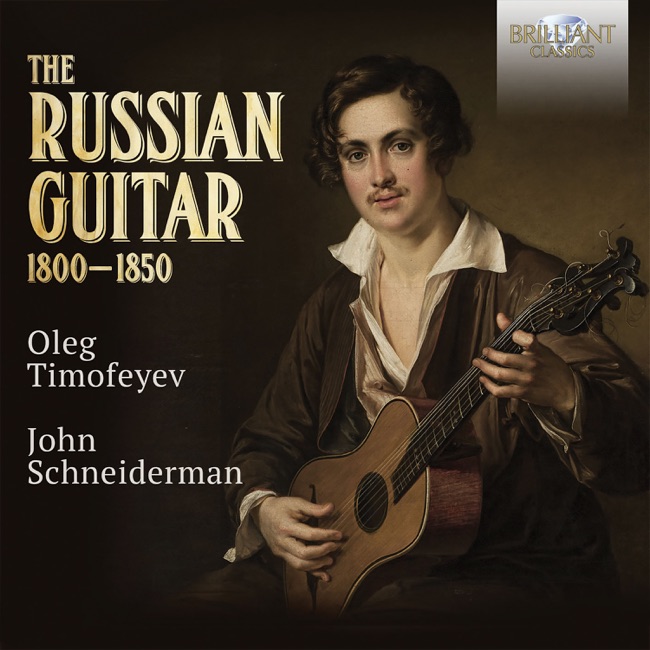 September 30, 2016
 -
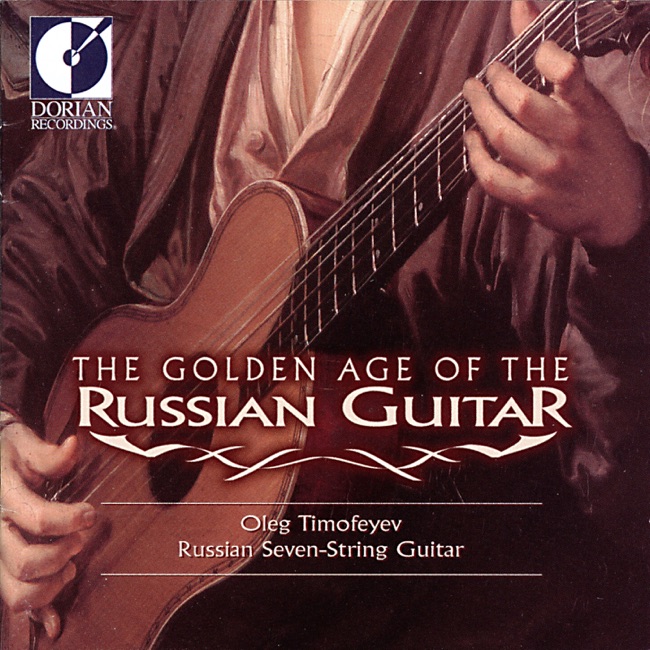 January 26, 1999
Artist Info
Role:ComposerBirth:1813Death:1882Genre:ChamberFyodor Mikhailovich Zimmerman was a Russian composer and pianist who lived from 1857 to 1942. He was born in Moscow to a family of musicians, and his father was a well-known violinist. Zimmerman began his musical education at a young age, studying piano with his mother and later with Nikolai Rubinstein, a prominent pianist and conductor. Zimmerman's early compositions were influenced by the Romantic style of his time, and he was particularly drawn to the music of Franz Liszt. He began to gain recognition as a composer in the 1880s, with performances of his works in Moscow and St. Petersburg. In 1888, he was appointed professor of composition at the Moscow Conservatory, where he taught for over 40 years. One of Zimmerman's most famous works is his Piano Concerto No. 1 in G minor, which he composed in 1894. The concerto is known for its virtuosic piano writing and its use of Russian folk melodies. It was premiered in Moscow with Zimmerman as the soloist, and it quickly became popular with audiences and performers alike. The concerto has since been recorded by many pianists, including Vladimir Horowitz and Martha Argerich. Zimmerman also composed several operas, including "The Barber of Baghdad" and "The Golden Cockerel." "The Barber of Baghdad" premiered in 1914 and was based on a story from "The Arabian Nights." The opera was well-received and has been performed in many countries around the world. "The Golden Cockerel" was based on a story by Alexander Pushkin and premiered in 1909. The opera was controversial at the time because of its political themes, but it has since become a staple of the Russian opera repertoire. In addition to his compositions, Zimmerman was also known for his piano playing. He was considered one of the greatest pianists of his time, and he often performed his own works in concert. He was known for his technical skill and his ability to bring out the emotional depth of the music he played. Zimmerman's later works show a shift away from the Romantic style and towards a more modernist approach. His Symphony No. 2, composed in 1910, is an example of this shift. The symphony is more dissonant and complex than his earlier works, and it shows the influence of composers like Stravinsky and Schoenberg. Despite his success as a composer and pianist, Zimmerman was not immune to the political upheavals of his time. He lived through the Russian Revolution and the Soviet era, and his music was sometimes censored or banned because of its perceived bourgeois tendencies. However, he continued to compose and perform throughout his life, and he remained a respected figure in the Russian musical world until his death in 1942. In conclusion, Fyodor Mikhailovich Zimmerman was a talented composer and pianist who made significant contributions to the Russian musical tradition. His works, which range from Romantic concertos to modernist symphonies, continue to be performed and recorded today. Zimmerman's legacy is a testament to the enduring power of classical music and its ability to transcend political and cultural boundaries.More....
Copyright Ⓒ 2013 Davinci Finger. All rights reseved
Service Terms & Policy