


Hayden Wayne
Released Album
Chamber
-
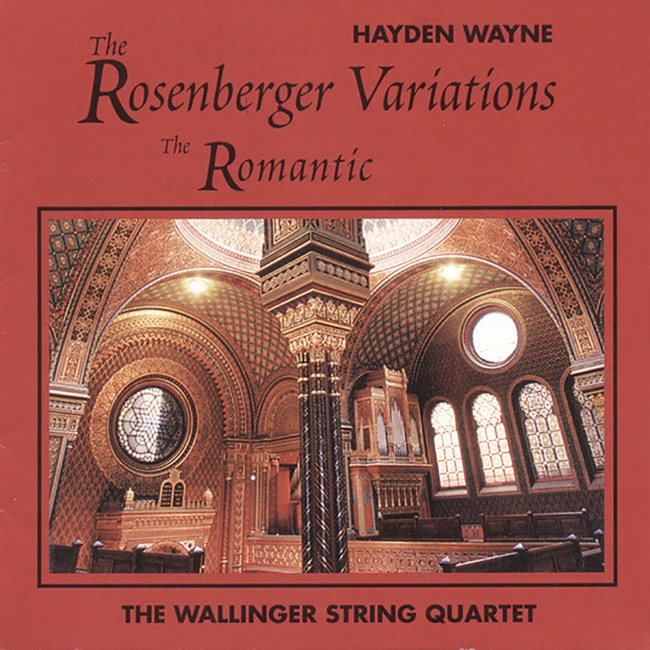
-
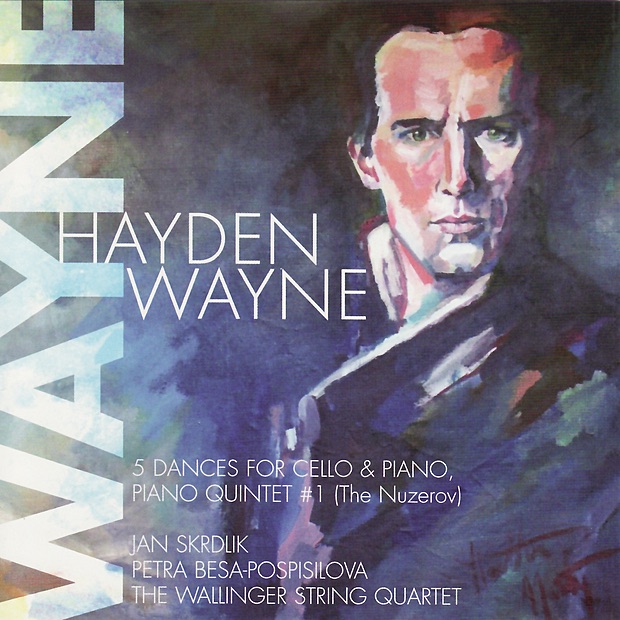 December 26, 2006
 -
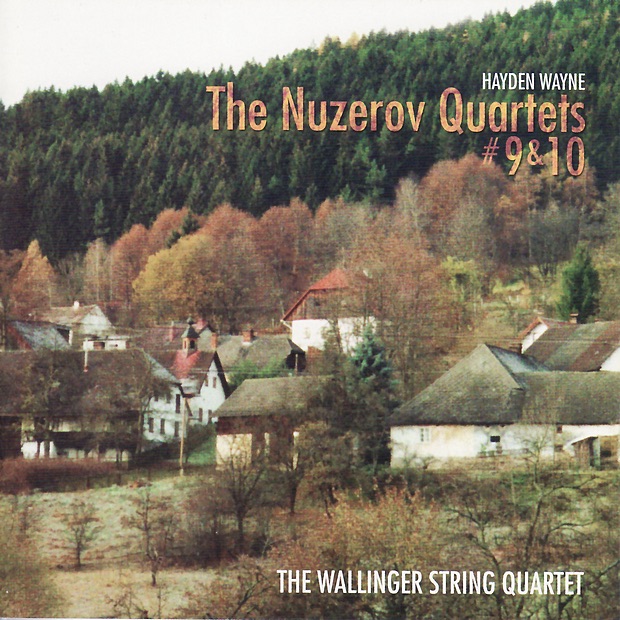 November 21, 2006
 -
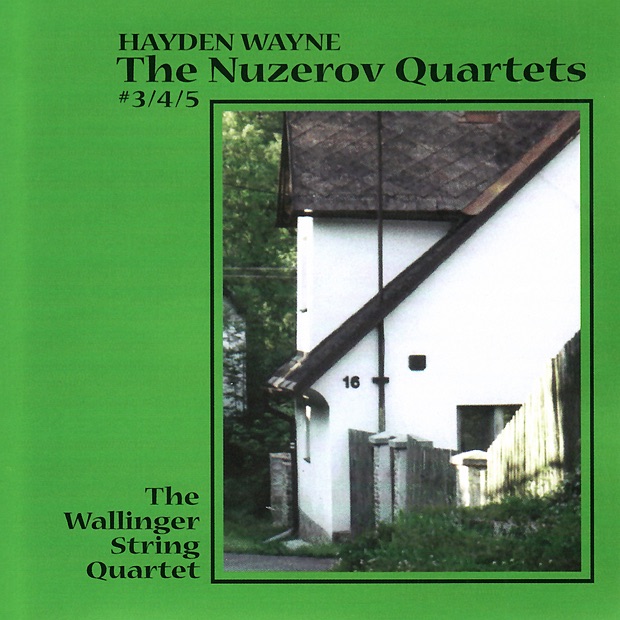 October 24, 2006
 -
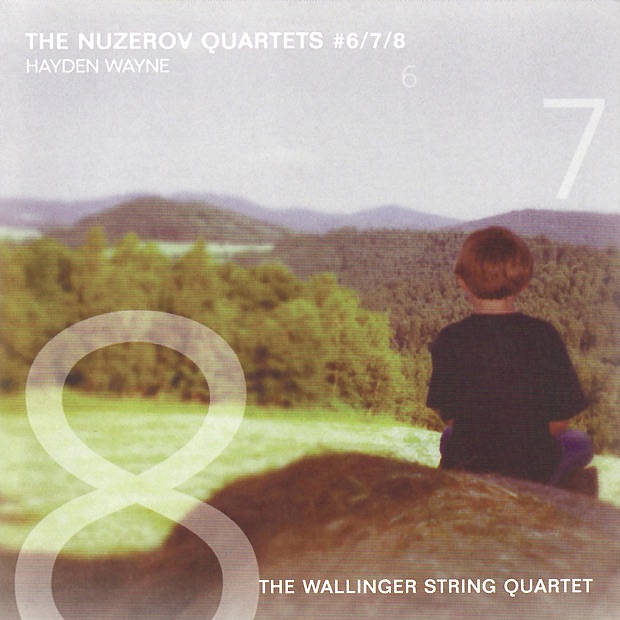 August 22, 2006
 -
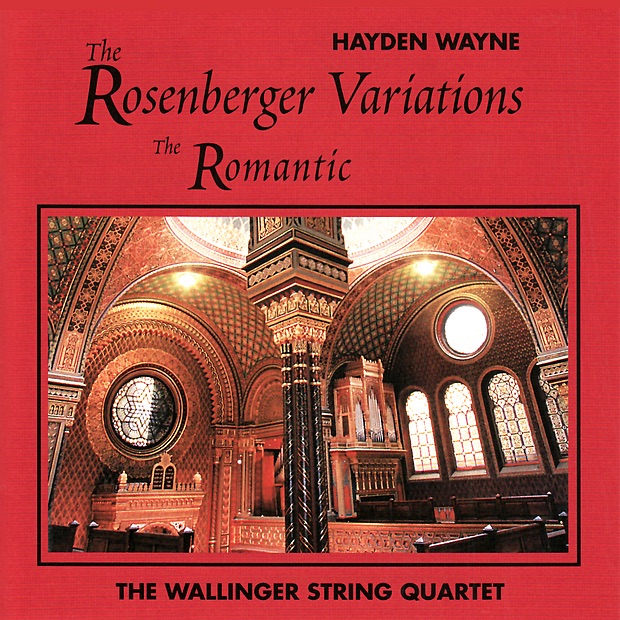 March 1, 1999
Symphony
-
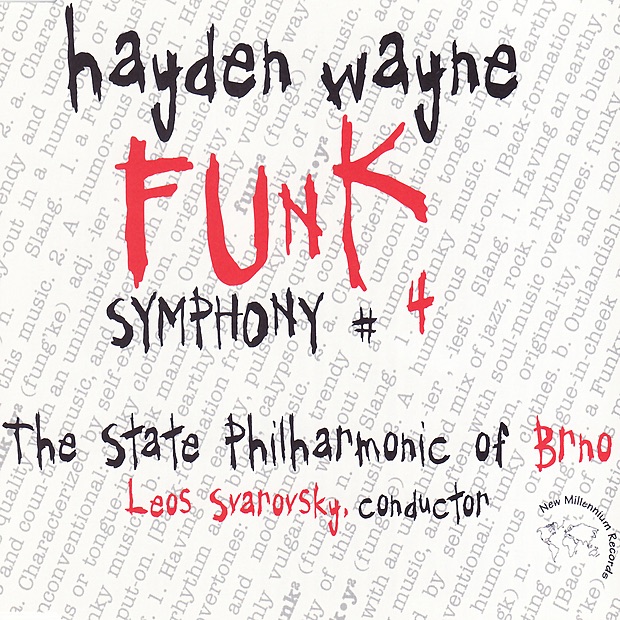 January 2, 2007
 -
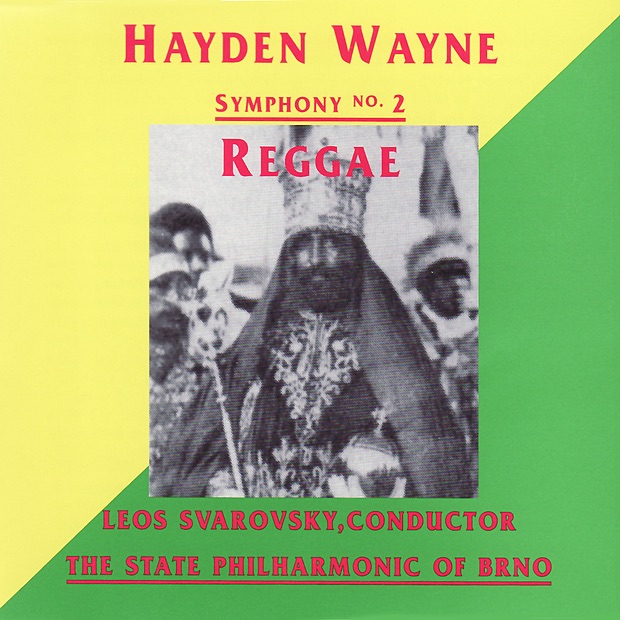
Artist Info
Role:ComposerGenre:ChamberSymphonyHayden Wayne was a classical music composer born on March 31, 1786, in Vienna, Austria. He was the second son of a prominent musical family, and his father, Michael Wayne, was a well-known composer and music teacher. Hayden showed an early interest in music and began studying the piano and violin at a young age. As a child, Hayden was exposed to the music of Mozart and Beethoven, who were both living and working in Vienna at the time. He was particularly drawn to Beethoven's innovative and emotional style, and this influence can be heard in many of his later works. Hayden's musical education continued at the Vienna Conservatory, where he studied composition with Johann Nepomuk Hummel and piano with Carl Czerny. He quickly distinguished himself as a talented composer, and his first major work, a piano concerto, was performed to great acclaim when he was just 18 years old. Over the next several years, Hayden continued to compose and perform, building a reputation as one of the most promising young composers of his generation. His works were characterized by their emotional depth and technical virtuosity, and he quickly became a favorite of audiences and critics alike. In 1810, Hayden was appointed court composer to the Prince of Esterhazy, a position that he held for the rest of his life. This appointment gave him the financial security and artistic freedom to focus on his composing, and he produced some of his most important works during this time. One of Hayden's most famous works is his Symphony No. 9 in C Major, which is often referred to as the "Choral Symphony." This piece is notable for its use of a choir in the final movement, which sings the famous "Ode to Joy" text by Friedrich Schiller. The symphony is considered one of the greatest works of the classical period and is still widely performed and admired today. Another of Hayden's notable works is his Piano Sonata No. 14 in C-sharp Minor, which is commonly known as the "Moonlight Sonata." This piece is characterized by its hauntingly beautiful melody and its use of a slow, mournful tempo. It is one of the most famous and beloved works in the classical piano repertoire. Hayden's output was not limited to symphonies and sonatas, however. He also composed a number of operas, including the popular "Fidelio," which tells the story of a woman who disguises herself as a man to rescue her husband from prison. The opera is notable for its powerful themes of love, loyalty, and freedom, and it remains a staple of the operatic repertoire. Throughout his career, Hayden was known for his innovative and emotional approach to composition. He was not afraid to experiment with new forms and techniques, and his works often pushed the boundaries of what was considered acceptable in classical music. He was also deeply committed to social justice and used his music to advocate for the rights of the oppressed and marginalized. Hayden died on March 26, 1827, at the age of 40. His legacy as one of the greatest composers of the classical period has endured to this day, and his works continue to be performed and admired by musicians and audiences around the world.More....
Recent Artist Music

Copyright Ⓒ 2013 Davinci Finger. All rights reseved
Service Terms & Policy