


Alejandro Nuñez Allauca
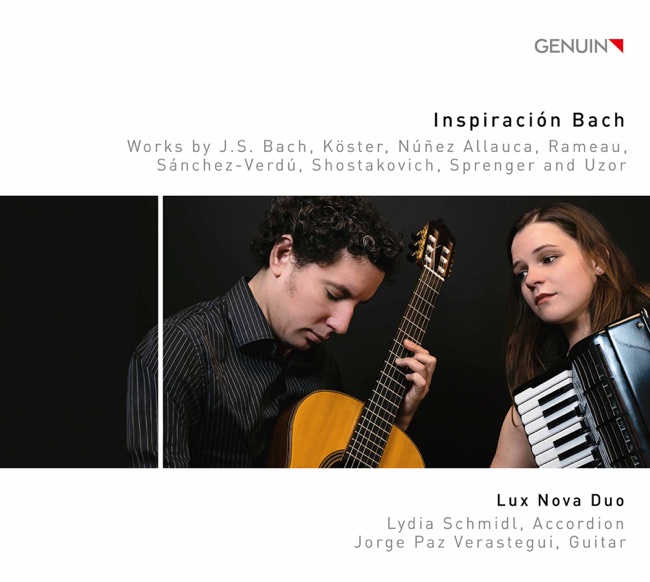
Artist Info
Role:ComposerBirth:1943 in PeruAlejandro Nuñez Allauca was a renowned classical music composer from Peru. He was born on August 15, 1941, in the city of Huancayo, located in the central highlands of Peru. His parents were both musicians, and they encouraged him to pursue music from a young age. Allauca's father was a violinist, and his mother was a pianist. They both taught him how to play their respective instruments, and he quickly showed a natural talent for music. Allauca's family moved to Lima when he was a child, and he continued his musical education there. He studied at the National Conservatory of Music in Lima, where he learned composition, harmony, and counterpoint. He also studied conducting with the renowned Peruvian conductor, Theo Tupayachi. Allauca's early compositions were heavily influenced by the traditional music of Peru. He incorporated elements of Andean folk music into his works, which gave them a unique flavor. His first major composition was a suite for string orchestra, which he wrote while still a student at the National Conservatory of Music. The suite was well-received, and it helped establish Allauca as a promising young composer. After completing his studies, Allauca began working as a composer and conductor. He wrote music for a variety of ensembles, including orchestras, chamber groups, and choirs. He also conducted many of his own works, as well as those of other composers. One of Allauca's most significant works is his opera, "El Cóndor Pasa." The opera is based on a traditional Andean folk song of the same name, which Allauca arranged and expanded into a full-length opera. The opera tells the story of a young man who falls in love with a woman from a rival tribe. The two lovers must overcome the cultural barriers that separate them, as well as the opposition of their families and communities. "El Cóndor Pasa" premiered in Lima in 1975 and was an immediate success. It was praised for its beautiful melodies, lush orchestration, and powerful storytelling. The opera has since been performed all over the world and has become one of the most beloved works in the Peruvian classical music repertoire. Allauca's other notable works include his "Symphony No. 1," which was inspired by the landscapes and culture of the Andes Mountains. The symphony features traditional Andean instruments, such as the quena and charango, alongside the standard orchestral instruments. The work is a celebration of the rich cultural heritage of Peru and has been performed by orchestras all over the world. Allauca also wrote many works for choir, including his "Misa Criolla," which is a setting of the Catholic Mass in the style of traditional Andean music. The work features lively rhythms, soaring melodies, and intricate harmonies, and has become a favorite of choirs around the world. Allauca was a prolific composer, and his works spanned a wide range of genres and styles. He was known for his ability to blend traditional Andean music with classical forms and techniques, creating a unique and vibrant sound that was all his own. In addition to his work as a composer and conductor, Allauca was also a dedicated teacher. He taught at the National Conservatory of Music in Lima for many years, and his students included some of the most talented young musicians in Peru. Allauca's contributions to the world of classical music were recognized with many awards and honors.More....
Copyright Ⓒ 2013 Davinci Finger. All rights reseved
Service Terms & Policy