


Fiodor Makarov
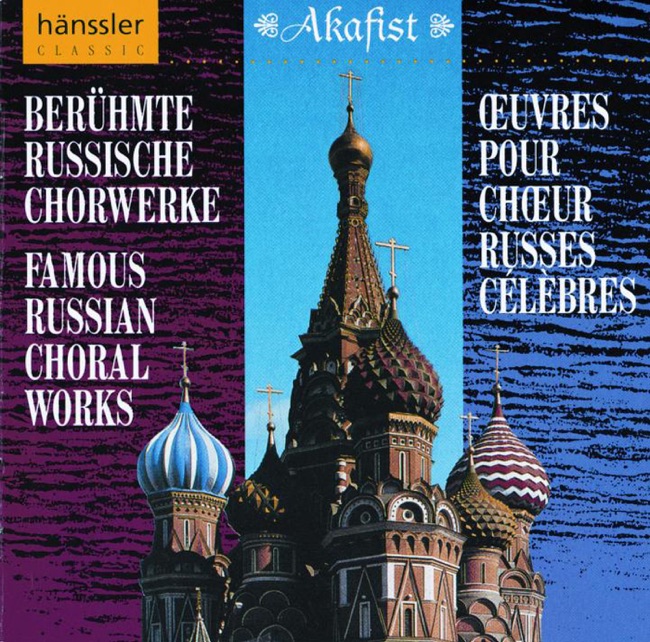
Artist Info
Role:ComposerGenre:VocalFiodor Makarov was a Russian composer who lived from 1863 to 1920. He was born in the city of St. Petersburg, Russia, and grew up in a family of musicians. His father was a violinist and his mother was a pianist, and they both encouraged their son's musical talents from a young age. Makarov began his formal musical education at the age of six, when he started taking piano lessons. He showed great promise as a pianist, and by the time he was a teenager, he was already performing in public concerts. However, he soon realized that his true passion was for composition, and he began studying with some of the leading composers of the day. One of Makarov's early influences was the composer Nikolai Rimsky-Korsakov, who was a professor at the St. Petersburg Conservatory. Makarov studied with Rimsky-Korsakov for several years, and he was greatly influenced by the older composer's use of folk melodies and exotic harmonies. Makarov also studied with other prominent composers of the time, including Anatoly Lyadov and Alexander Glazunov. Makarov's early compositions were heavily influenced by the Romantic style of the time, with lush harmonies and sweeping melodies. However, as he matured as a composer, he began to develop his own unique voice. He was particularly interested in the use of unusual scales and modes, and he often incorporated elements of Russian folk music into his works. One of Makarov's most famous works is his Symphony No. 1, which he composed in 1895. The symphony is notable for its use of unusual harmonies and rhythms, as well as its incorporation of folk melodies. The work was well-received by audiences and critics alike, and it helped establish Makarov as one of the leading composers of his generation. Another notable work by Makarov is his opera The Snow Maiden, which he composed in 1901. The opera is based on a Russian folk tale, and it features some of Makarov's most beautiful and evocative music. The work was a great success when it premiered, and it remains one of Makarov's most popular works to this day. Makarov also composed a number of chamber works, including several string quartets and piano trios. These works are notable for their intricate harmonies and complex rhythms, as well as their use of folk melodies. Makarov was particularly interested in the use of unusual instrumental combinations, and he often experimented with different combinations of instruments in his chamber works. Despite his success as a composer, Makarov faced a number of challenges throughout his life. He struggled with alcoholism, and his personal life was often tumultuous. He also faced criticism from some quarters for his use of folk melodies and unusual harmonies, which some felt were too radical for the time. Despite these challenges, Makarov continued to compose throughout his life, and he remained a respected figure in the Russian musical world until his death in 1920. Today, he is remembered as one of the most important composers of his generation, and his works continue to be performed and admired by musicians and audiences around the world.More....
Copyright Ⓒ 2013 Davinci Finger. All rights reseved
Service Terms & Policy