


Pierre Klanac
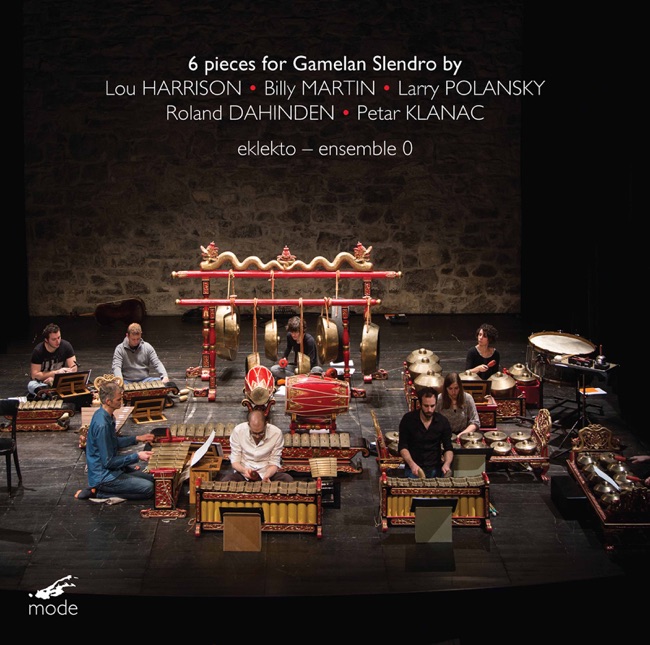
Artist Info
Role:ComposerPierre Klanac was a French composer who lived from 1895 to 1963. He was born in the city of Lyon, France, and showed an early interest in music. His parents were both amateur musicians, and they encouraged him to pursue his passion for music. Klanac began his formal music education at the age of six, when he started taking piano lessons. He quickly showed a talent for the instrument, and by the age of ten, he was already composing his own music. He continued his studies at the Conservatoire de Lyon, where he studied composition, harmony, and counterpoint. In 1914, at the age of 19, Klanac was drafted into the French army to fight in World War I. He served as a medic and was stationed in the trenches for much of the war. Despite the difficult conditions, Klanac continued to compose music during his time in the army. He wrote several pieces for piano and chamber ensembles, which he sent back to his family in Lyon. After the war, Klanac returned to Lyon and resumed his studies at the Conservatoire. He also began to establish himself as a composer, and his works were performed in Lyon and other cities in France. In 1922, he won the Prix de Rome, a prestigious award for young composers, which allowed him to study in Rome for several years. During his time in Rome, Klanac was exposed to the music of Italian composers such as Vivaldi and Scarlatti, as well as the works of the great German composers such as Bach and Beethoven. He also became interested in the music of the Baroque period, and began to incorporate elements of Baroque music into his own compositions. Klanac's music was characterized by its clarity and precision, as well as its use of counterpoint and polyphony. He was particularly skilled at writing for the piano, and many of his works were written for solo piano or piano duet. He also wrote chamber music, orchestral works, and choral music. One of Klanac's most famous works is his Piano Sonata No. 1, which he wrote in 1925. The sonata is in three movements, and is characterized by its virtuosic piano writing and its use of counterpoint. The first movement is a lively and energetic allegro, while the second movement is a slow and contemplative adagio. The final movement is a fast and playful allegro, which showcases Klanac's skill as a pianist. Another notable work by Klanac is his String Quartet No. 2, which he wrote in 1930. The quartet is in four movements, and is characterized by its use of polyphony and its complex harmonies. The first movement is a lively and rhythmic allegro, while the second movement is a slow and melancholy adagio. The third movement is a playful and energetic scherzo, while the final movement is a fast and virtuosic allegro. Klanac's music was well-received by audiences and critics alike, and he was considered one of the leading composers of his time. He continued to compose music throughout his life, and his later works showed a greater interest in atonality and serialism. Klanac died in 1963 at the age of 68, but his music continues to be performed and admired by musicians and music lovers around the world. His legacy as a composer is one of precision, clarity, and innovation, and his contributions to the world of classical music will be remembered for generations to come.More....
Copyright Ⓒ 2013 Davinci Finger. All rights reseved
Service Terms & Policy