


Lance Hulme
Released Album
Chamber
-
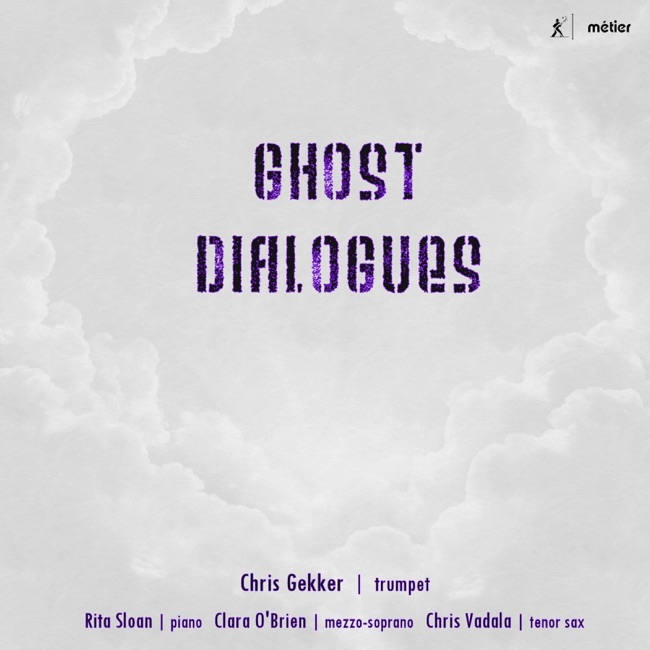 July 21, 2017
 -
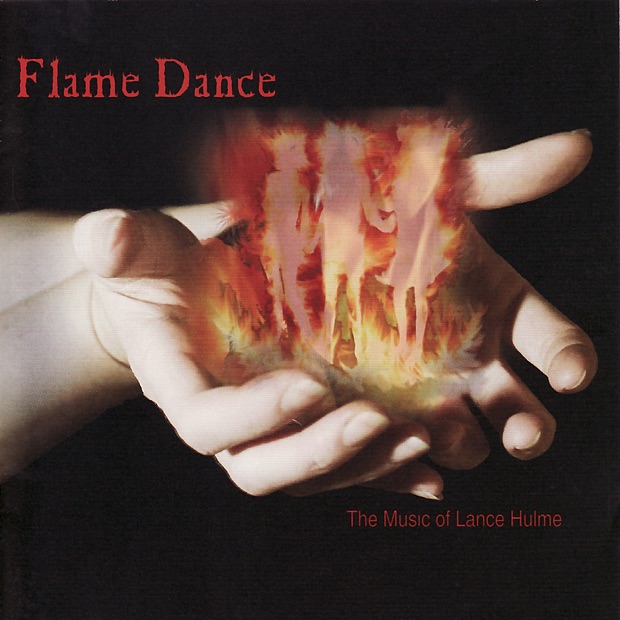 January 22, 2008
Orchestral
-
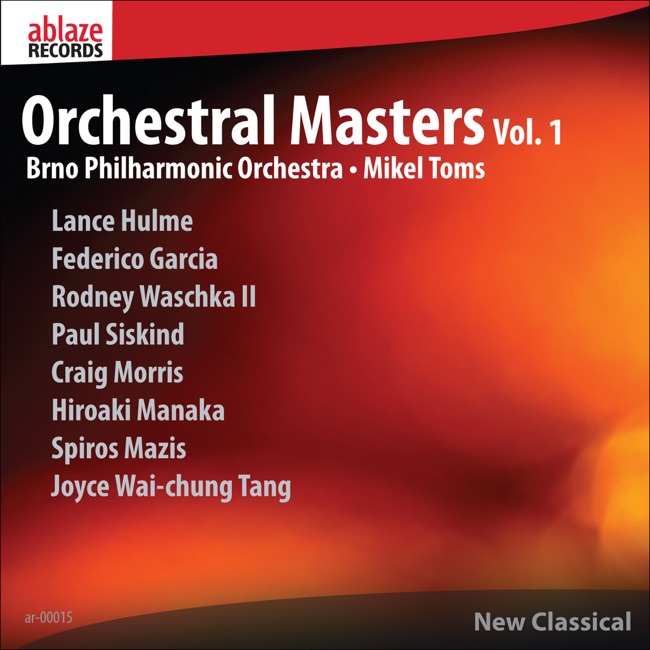 December 1, 2013
Keyboard
-
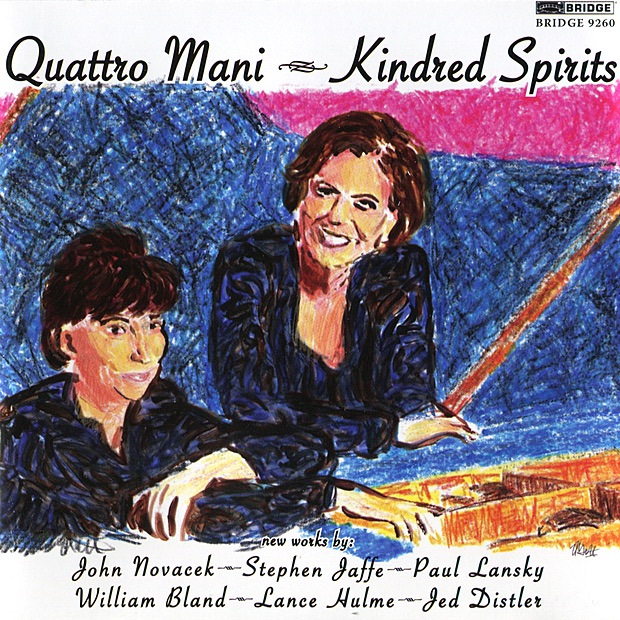 June 17, 2008
Artist Info
Role:Composer PerformerBirth:1960Lance Hulme was a renowned classical music composer who was born on May 12, 1928, in London, England. He was the youngest of three children and grew up in a family that was passionate about music. His father was a pianist, and his mother was a singer, and they both encouraged their children to pursue music. Hulme showed an early interest in music and began playing the piano at the age of five. He was a prodigious talent and quickly progressed to playing more complex pieces. By the time he was a teenager, he had already composed several pieces of music and was performing in public. Hulme attended the Royal Academy of Music in London, where he studied composition under the tutelage of notable composers such as Benjamin Britten and Michael Tippett. He also studied piano and conducting, which gave him a well-rounded education in music. After completing his studies, Hulme began his career as a composer, and his works were quickly recognized for their originality and complexity. He was known for his use of unconventional harmonies and rhythms, which gave his music a unique sound. One of Hulme's early works was his Piano Sonata No. 1, which he composed in 1952. The piece was well-received by critics and established Hulme as a promising young composer. He went on to compose several other works for piano, including his Piano Sonata No. 2, which was composed in 1956. In addition to his piano works, Hulme also composed several orchestral pieces, including his Symphony No. 1, which was composed in 1958. The symphony was a complex and challenging work that showcased Hulme's talent for orchestration. Hulme's music was not always well-received by audiences, as his unconventional style was sometimes difficult for listeners to appreciate. However, he continued to compose music that was true to his artistic vision, and his works were eventually recognized for their originality and complexity. One of Hulme's most famous works is his String Quartet No. 1, which was composed in 1962. The piece is a challenging work that requires a high level of technical skill from the performers. It is known for its complex harmonies and rhythms, which give the piece a unique sound. Hulme continued to compose music throughout his career, and his later works were often more experimental than his earlier pieces. He was known for his use of electronic music, which he incorporated into several of his compositions. One of Hulme's most experimental works is his Electronic Symphony, which was composed in 1972. The piece is a challenging work that combines electronic music with traditional orchestral instruments. It is known for its complex rhythms and harmonies, which give the piece a unique sound. Hulme's music was recognized with several awards and honors throughout his career. He was awarded the Order of the British Empire in 1982 for his contributions to music, and he was also awarded the Ivor Novello Award for Classical Music in 1990. Hulme continued to compose music until his death in 2000. His legacy as a composer is one of originality and experimentation, and his works continue to be studied and performed by musicians around the world.More....
Recent Artist Music
Copyright Ⓒ 2013 Davinci Finger. All rights reseved
Service Terms & Policy