


Wilhelm Berger
Released Album
Vocal
-
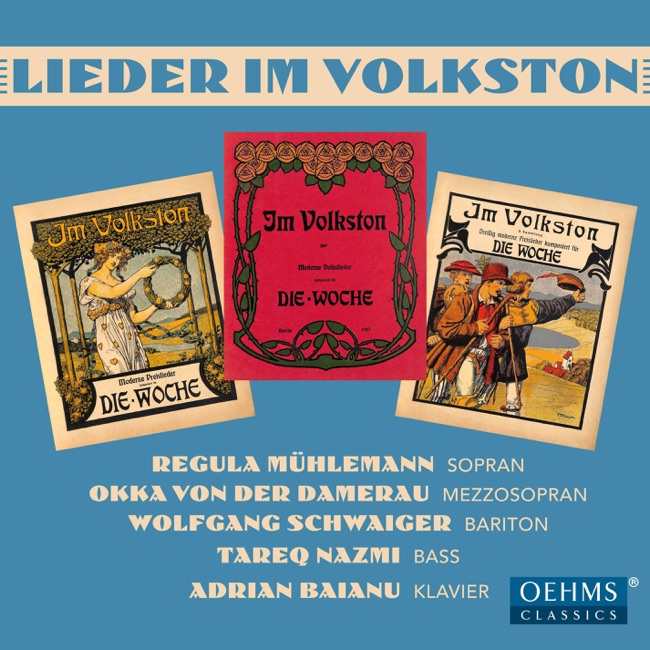 July 21, 2017
 -
 November 13, 2015
 -
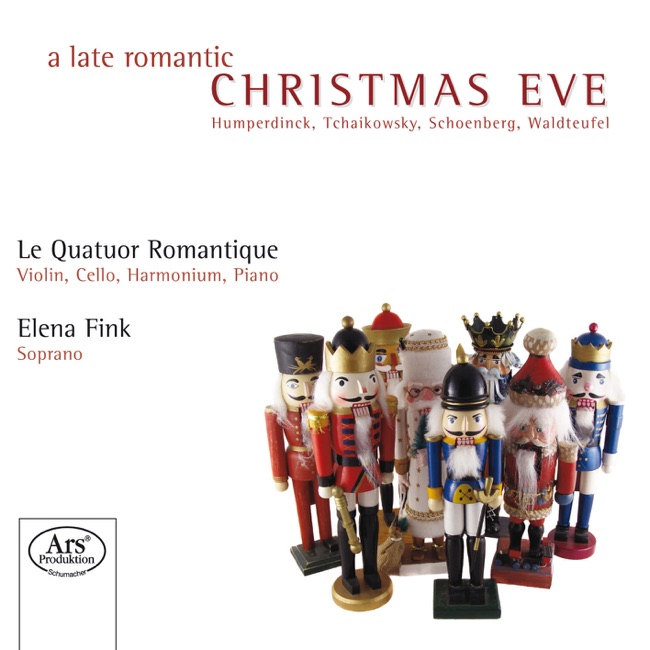 November 9, 2010
Chamber
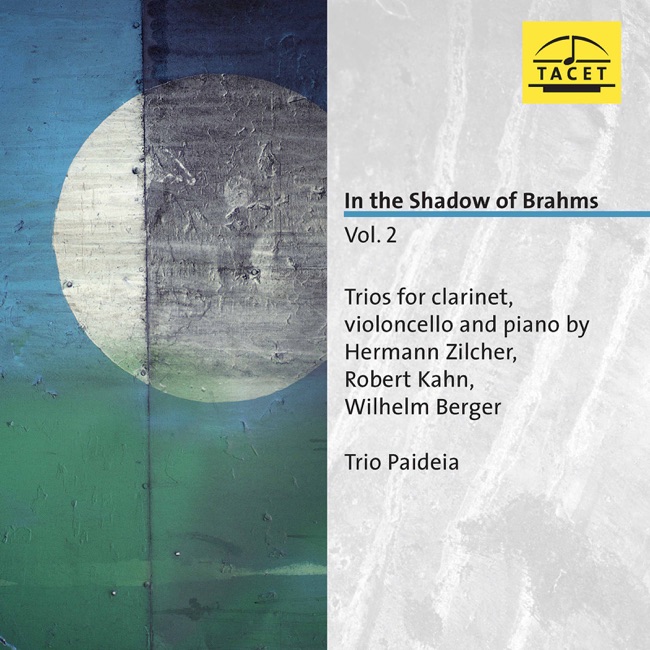
Miscellaneous
-
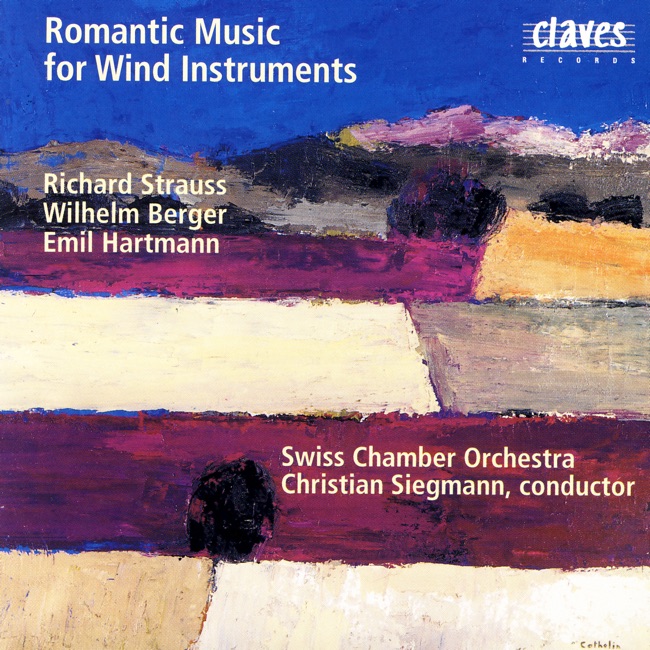 December 12, 1995
Artist Info
Role:ComposerBirth:August 9, 1861 in Boston, MADeath:January 15, 1911Period:RomanticGenre:ChamberWilhelm Berger was a German composer born on June 21, 1861, in Boston, Massachusetts, to German parents. His father, Carl Berger, was a pianist and music teacher, and his mother, Marie, was a singer. The family moved back to Germany when Wilhelm was still a child, and he grew up in the town of Erfurt. Berger showed an early interest in music and began taking piano lessons from his father at a young age. He also studied music theory and composition with local teachers and showed great promise as a composer. In 1879, he enrolled at the Leipzig Conservatory, where he studied with renowned composers such as Carl Reinecke and Salomon Jadassohn. After completing his studies in Leipzig, Berger moved to Munich, where he worked as a freelance composer and music teacher. He quickly established himself as a leading figure in the city's musical scene and became a member of the Munich School, a group of composers who were known for their conservative approach to music. Berger's early works were heavily influenced by the music of Johannes Brahms, and he was often compared to the great composer. However, he soon developed his own unique style, which was characterized by its lyrical melodies, rich harmonies, and formal clarity. One of Berger's most significant works is his Symphony No. 1 in C minor, which he composed in 1887. The symphony is a grand and ambitious work that showcases Berger's mastery of orchestration and his ability to create powerful and emotional music. The work was well-received by audiences and critics alike and helped establish Berger as one of the leading composers of his time. In addition to his symphonies, Berger also composed a number of chamber works, including string quartets, piano trios, and sonatas. His chamber music is characterized by its intimate and expressive nature, and it often features complex harmonies and intricate counterpoint. Berger's vocal music is also highly regarded and includes a number of choral works and lieder. His choral music is notable for its rich harmonies and lush textures, while his lieder are known for their lyrical melodies and sensitive settings of poetry. Despite his success as a composer, Berger was a modest and unassuming man who shunned the limelight. He continued to work as a music teacher throughout his life and was highly respected by his students and colleagues. Berger's later works show a greater interest in the music of the past, particularly the music of Bach and Handel. He also became interested in the music of his contemporaries, including Richard Strauss and Gustav Mahler, and began incorporating elements of their styles into his own music. Berger's Symphony No. 2 in B-flat major, which he composed in 1902, is a prime example of his mature style. The work is characterized by its lush harmonies, intricate counterpoint, and rich orchestration. It is considered one of Berger's finest works and is still performed today. Berger continued to compose throughout his life, but his output slowed in his later years. He died on January 16, 1911, in Munich, at the age of 49. Despite his relatively short life, Berger left behind a significant body of work that continues to be admired and performed today. In conclusion, Wilhelm Berger was a highly respected composer who played an important role in the development of German classical music. His music is characterized by its lyrical melodies, rich harmonies, and formal clarity, and it continues to be admired and performed today.More....
Recent Artist Music
1
11:51
3
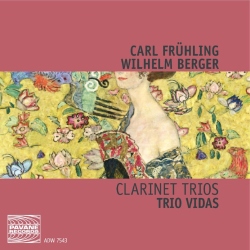
11:19
4
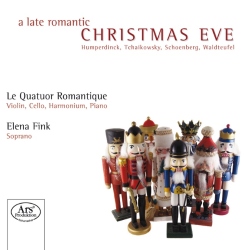
From the sky to the deepest clefts, Op. 52/4
Weihnachtslied, Op. 52, No. 4, "Vom Himmel in die tiefsten Klüfte"
3:55
5
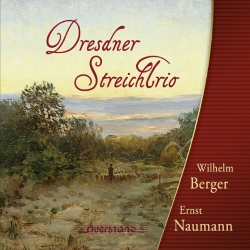
7:
6

From the sky to the deepest clefts, Op. 52/4
Weihnachtslied Op. 52, No. 4, Vom Himmel in die tiefsten Klüfte
3:3
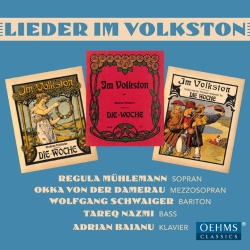
8
4:26
Copyright Ⓒ 2013 Davinci Finger. All rights reseved
Service Terms & Policy