


Erik Lund
Released Album
Chamber
-
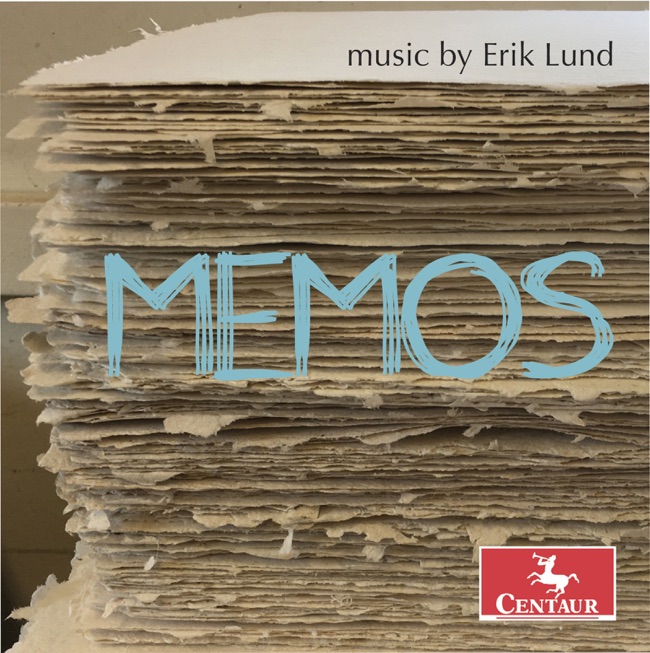 March 1, 2019
 -
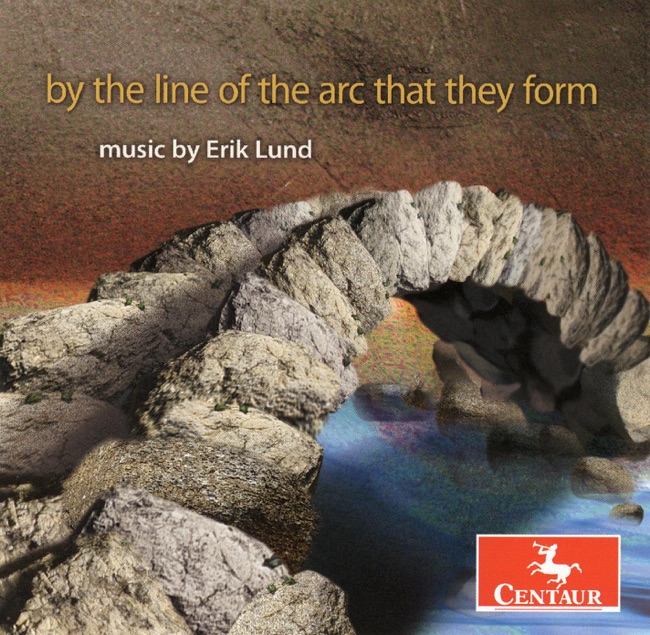 January 26, 2010
Artist Info
Role:Composer ConductorCountry: United States of AmericaBirth:1958Period:ContemporaryGenre:ChamberErik Lund was a Swedish composer born on May 12, 1925, in Stockholm. He was the youngest of three children born to a family of musicians. His father was a violinist and his mother was a pianist. Lund's parents recognized his musical talent at an early age and encouraged him to pursue a career in music. Lund began his musical education at the age of six, studying piano with his mother. He later studied composition with the renowned Swedish composer Lars-Erik Larsson. Lund's early compositions were influenced by the neoclassical style of Larsson, but he soon developed his own unique voice. In 1945, Lund enrolled at the Royal College of Music in Stockholm, where he studied composition with Karl-Birger Blomdahl. During his time at the college, Lund became interested in electronic music and began experimenting with tape recorders and other electronic equipment. After graduating from the Royal College of Music in 1950, Lund worked as a freelance composer and music teacher. He also continued to experiment with electronic music, and in 1957 he founded the Electronic Music Studio at the Swedish Radio Corporation. Lund's early compositions were primarily for chamber ensembles and orchestra. His music was characterized by its clarity of form and use of traditional tonal harmony. Some of his most notable works from this period include his Symphony No. 1 (1952), String Quartet No. 1 (1954), and Concerto for Piano and Orchestra (1956). In the 1960s, Lund's music became more experimental and avant-garde. He began incorporating electronic sounds into his compositions and exploring new forms of musical expression. Some of his most notable works from this period include his electronic composition "Klangfiguren" (1960), the orchestral work "Metamorphoses" (1962), and the electronic composition "Spiral" (1968). Lund's music continued to evolve throughout the 1970s and 1980s. He began incorporating elements of jazz and rock music into his compositions, and his works became more tonally complex and harmonically adventurous. Some of his most notable works from this period include his Symphony No. 4 (1972), the electronic composition "Mosaik" (1975), and the opera "The Tempest" (1982). Lund's music was widely performed and recorded throughout his career. He received numerous awards and honors, including the Swedish Royal Academy of Music's Litteris et Artibus medal in 1975 and the Polar Music Prize in 1992. Erik Lund died on December 28, 1999, in Stockholm. He is remembered as one of Sweden's most important composers of the 20th century, and his music continues to be performed and studied by musicians and scholars around the world.More....
Recent Artist Music
Copyright Ⓒ 2013 Davinci Finger. All rights reseved
Service Terms & Policy