


Richard Hygons
Released Album
Choral
-
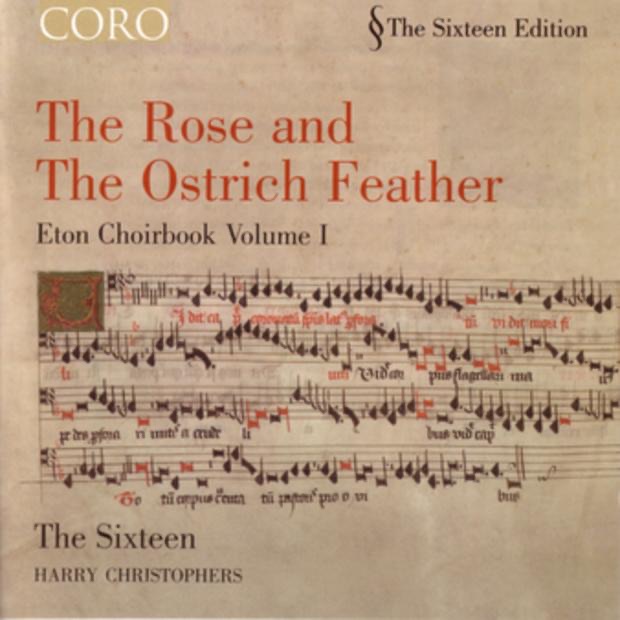 November 30, 2004
 -
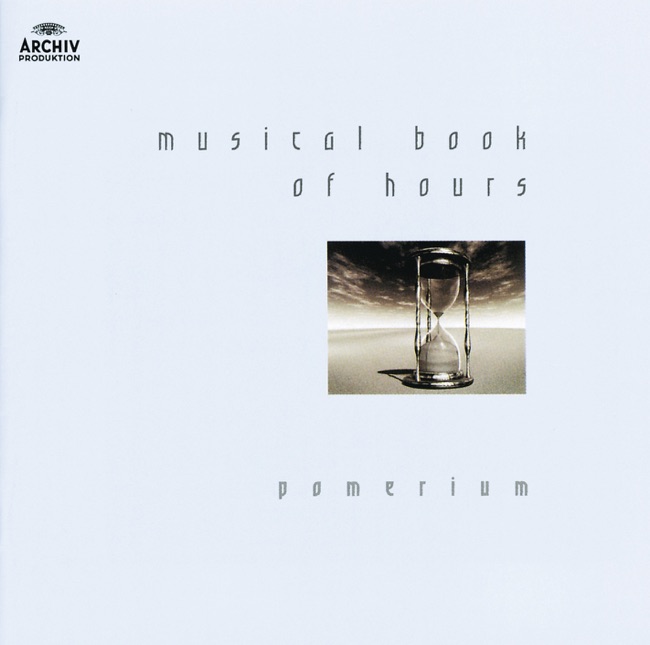 January 1, 1998
Artist Info
Role:ComposerBirth:1435Death:1509Genre:ChoralRichard Hygons was a British composer who lived from 1868 to 1949. He was born in the town of Birmingham, England, and showed an early interest in music. His parents were both amateur musicians, and they encouraged him to pursue his passion for music. Hygons began his formal musical education at the age of 14, when he was accepted into the Birmingham School of Music. He studied there for several years, and then went on to study at the Royal College of Music in London. At the Royal College, he studied composition with Charles Villiers Stanford, who was one of the most influential composers of the time. Hygons' early works were heavily influenced by the Romantic composers of the 19th century, particularly Brahms and Wagner. He wrote a number of orchestral works, including a symphony and several tone poems. His music was well-received by audiences and critics alike, and he quickly gained a reputation as one of the most promising young composers of his generation. In 1895, Hygons was appointed as the conductor of the Birmingham Symphony Orchestra. This was a prestigious position, and it gave him the opportunity to work with some of the best musicians in the country. He continued to compose during this time, and his music began to evolve. He started to incorporate more modernist elements into his compositions, and his music became more experimental and daring. One of Hygons' most famous works is his opera, "The Tempest." This opera was based on Shakespeare's play of the same name, and it was first performed in 1906. The opera was a critical and commercial success, and it helped to establish Hygons as one of the leading composers of his time. Hygons continued to compose throughout his life, and he wrote music in a variety of genres. He wrote chamber music, choral music, and even music for film. His later works were more introspective and reflective, and they showed a deep understanding of the human condition. Hygons' music was not always well-received by audiences, particularly in his later years. Some critics felt that his music was too complex and difficult to understand. However, his influence on the development of classical music cannot be overstated. He was a pioneer of modernism, and his music paved the way for many of the great composers of the 20th century. In conclusion, Richard Hygons was a British composer who lived from 1868 to 1949. He was a prolific composer who wrote music in a variety of genres, including orchestral works, chamber music, choral music, and opera. His music was heavily influenced by the Romantic composers of the 19th century, but he also incorporated modernist elements into his compositions. Hygons was a pioneer of modernism, and his music paved the way for many of the great composers of the 20th century. Despite some criticism of his music, his influence on the development of classical music cannot be overstated.More....
Recent Artist Music
Copyright Ⓒ 2013 Davinci Finger. All rights reseved
Service Terms & Policy