


Johann Peter Pixis
Released Album
Chamber
-
 November 15, 2019
 -
 January 5, 2018
 -
 June 29, 2010
 -
 September 9, 2008
 -
-
 October 27, 2002
Keyboard
-
 July 11, 2024
 -
 March 9, 1999
 -
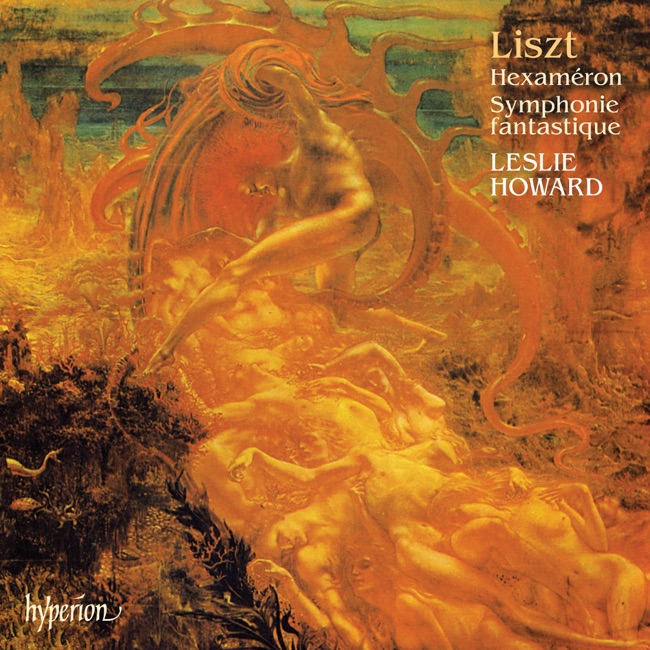 April, 1991
Concerto
-
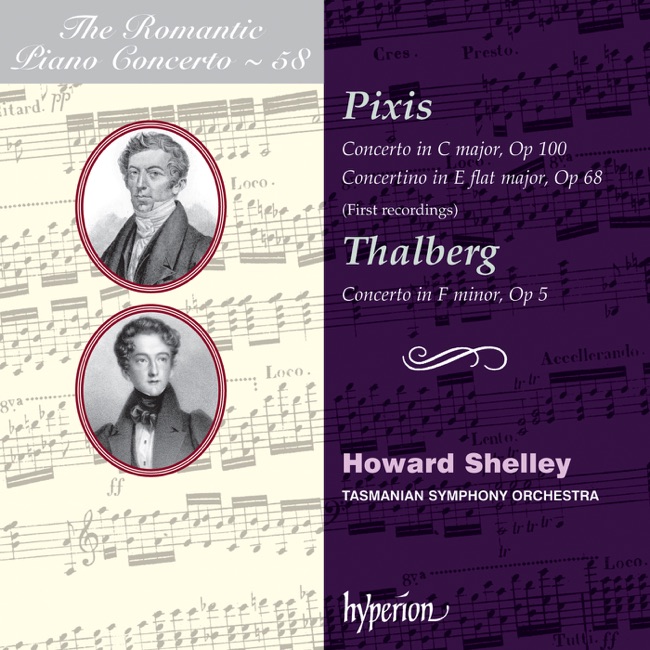 October 29, 2012
Artist Info
Role:ComposerCountry: GermanyBirth:February 10, 1788 in Mannheim, GermanyDeath:December 22, 1874 in Baden-Baden, GermanyPeriod:RomanticGenre:ChamberFilmKeyboardJohann Peter Pixis was a German composer and pianist who lived from 10th February 1788 to 22nd December 1874. He was born in Mannheim, Germany, to a family of musicians. His father, Johann Pixis, was a violinist and conductor, and his mother, Maria Theresia von Paradis, was a pianist and composer. Pixis showed an early interest in music and began his musical education at a young age. Pixis received his first piano lessons from his mother and later studied with the renowned pianist Johann Nepomuk Hummel. He made his debut as a pianist at the age of nine and soon gained a reputation as a child prodigy. He performed extensively throughout Europe, including in Paris, London, and Vienna. Pixis was a prolific composer, and his works include operas, ballets, chamber music, and piano music. He was particularly known for his piano music, which was highly virtuosic and often featured elaborate ornamentation and technical challenges. His music was influenced by the Romantic style of the time, and he was known for his use of chromaticism and harmonic complexity. One of Pixis's most famous works is his Piano Concerto No. 2 in C minor, Op. 100. The concerto was composed in 1822 and premiered in Paris the following year. It is a virtuosic work that showcases the pianist's technical abilities, with fast runs, arpeggios, and intricate ornamentation. The concerto is also notable for its use of the orchestra, which provides a rich and dramatic accompaniment to the piano. Pixis also composed a number of chamber works, including string quartets, piano trios, and sonatas. His Piano Trio No. 1 in D minor, Op. 75, is a particularly notable work. Composed in 1835, it is a dramatic and emotional work that showcases Pixis's skill as a composer of chamber music. The trio features a virtuosic piano part, as well as expressive and lyrical writing for the violin and cello. In addition to his compositions, Pixis was also a respected piano teacher. He taught at the Paris Conservatory and later at the Brussels Conservatory, where his students included the pianist and composer César Franck. Pixis was known for his rigorous teaching methods and his emphasis on technical excellence. Pixis continued to compose and perform throughout his life, and he remained an important figure in the musical world until his death in 1874. His music, though not as well-known as that of some of his contemporaries, is still performed and recorded today, and his contributions to the development of Romantic music are widely recognized.More....
Recent Artist Music
1
1:57
4
1:27
5
1:12
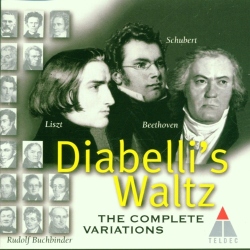
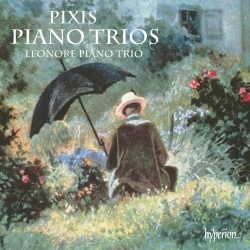
13
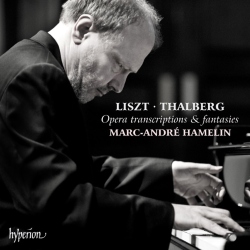
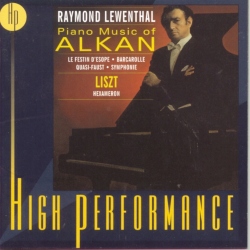
Hexamaron, variation 3 on a marche from Bellini's I Puritani
Hexaméron, S392: Variation 3 di bravura (Pixis) - Ritornello (Liszt)
1:19
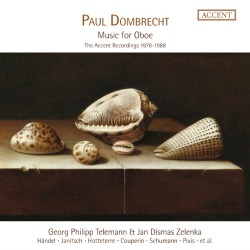
15
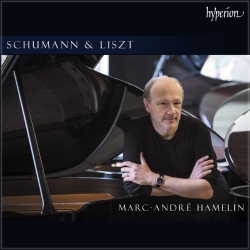
1:19
Copyright Ⓒ 2013 Davinci Finger. All rights reseved
Service Terms & Policy