


Alexandre Pierre François Boëly
Released Album
Keyboard
-
 October 11, 2022
 -
 February 8, 2019
 -
 June 1, 2018
 -
 January 17, 2018
 -
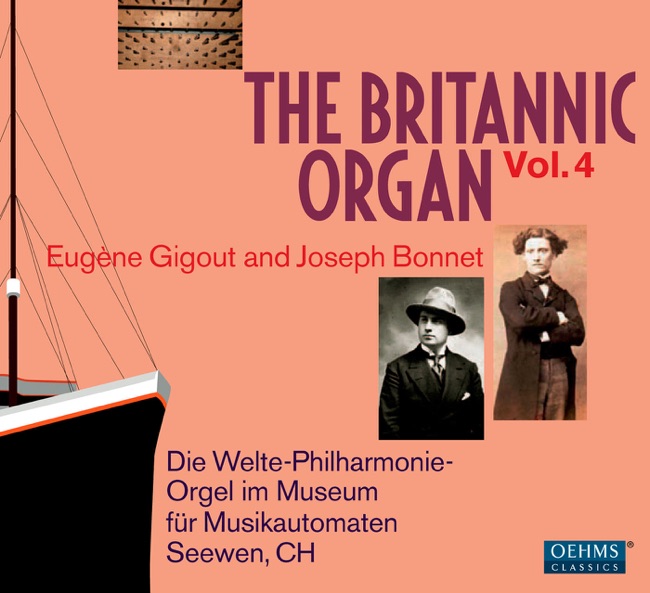 October 15, 2012
 -
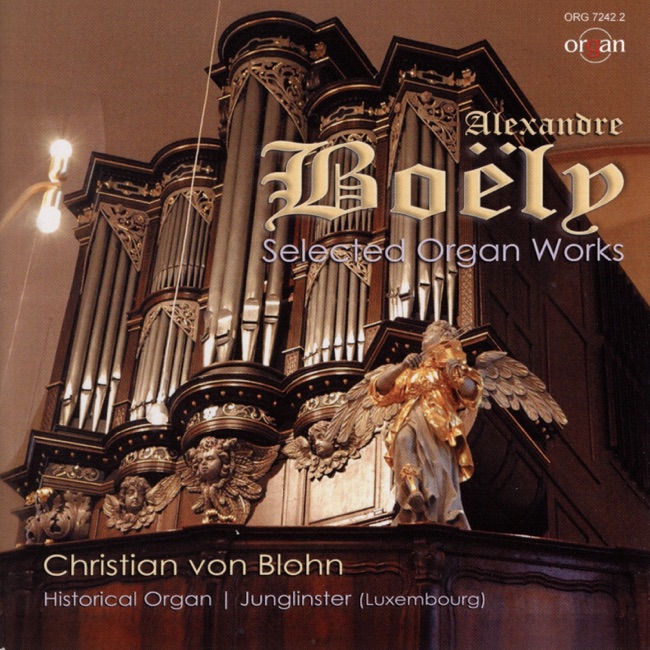
Artist Info
Role:ComposerCountry: FranceBirth:April 19, 1785 in Versailles, FranceDeath:December 27, 1858 in Paris, FrancePeriod:RomanticGenre:KeyboardAlexandre Pierre François Boëly was a French composer and organist who lived during the 19th century. He was born on September 19, 1785, in Versailles, France, to a family of musicians. His father, Jean-François Boëly, was a cellist and composer, and his mother, Marie-Louise Boëly, was a harpist. Alexandre showed an early interest in music and began studying the piano and organ at a young age. At the age of 14, Alexandre was appointed as the organist at the church of Saint-Germain-l'Auxerrois in Paris. He continued to study music with his father and also took lessons from other prominent musicians of the time, including Louis Adam and François-Joseph Fétis. In 1804, he was appointed as the organist at the church of Saint-Nicolas-des-Champs in Paris, a position he held for the rest of his life. Boëly was a prolific composer, writing music for the organ, piano, and other instruments. His works were influenced by the music of Bach, Mozart, and Beethoven, as well as the French Baroque tradition. He was known for his skillful use of counterpoint and his ability to create complex and intricate musical textures. One of Boëly's most famous works is his Suite pour l'orgue, Op. 16, which was published in 1827. The suite consists of six movements, each of which showcases Boëly's mastery of the organ. The first movement, a Prelude, is a lively and energetic piece that sets the tone for the rest of the suite. The second movement, a Fugue, is a complex and intricate piece that demonstrates Boëly's skill with counterpoint. The third movement, a Trio, is a more subdued piece that features a beautiful melody played on the organ's flute stops. The fourth movement, a Scherzo, is a playful and lighthearted piece that showcases Boëly's sense of humor. The fifth movement, a Adagio, is a slow and contemplative piece that features a beautiful melody played on the organ's strings. The final movement, a Toccata, is a virtuosic piece that demonstrates Boëly's skill with the organ's pedals. Boëly also wrote a number of works for the piano, including his Trois Sonates pour le piano-forte, Op. 27, which were published in 1834. The sonatas are notable for their use of classical forms, such as the sonata-allegro and the rondo, as well as their intricate and complex textures. The first sonata, in C minor, is a dramatic and intense piece that features a powerful opening theme. The second sonata, in A major, is a more lyrical and melodic piece that features a beautiful second movement. The third sonata, in F minor, is a virtuosic and challenging piece that showcases Boëly's skill as a pianist. In addition to his compositions, Boëly was also known for his skills as an improviser. He was known to improvise on themes given to him by his audience, and his improvisations were often praised for their complexity and beauty. Boëly died on December 27, 1858, in Paris, at the age of 73. He left behind a legacy of beautiful and intricate music that continues to be performed and appreciated today. His works for the organ and piano are considered some of the finest examples of French classical music from the 19th century, and his influence can be heard in the works of later composers such as César Franck and Charles-Marie Widor.More....
Recent Artist Music
1
5:35
5
8:
6
4:22
12
59
14
5:20
Copyright Ⓒ 2013 Davinci Finger. All rights reseved
Service Terms & Policy