


Cyriacus Wilche
Artist Info
Role:ComposerDeath:1667Period:BaroqueGenre:ChamberCyriacus Wilche was a German composer and musician who lived during the Baroque period. He was born in 1632 in the town of Königsberg, which is now known as Kaliningrad in modern-day Russia. Wilche was born into a family of musicians, and his father was a well-known organist and composer in the region. From a young age, Wilche showed a great interest in music and began studying under his father's tutelage. Wilche's musical education continued when he was sent to study at the University of Königsberg. There, he studied music theory, composition, and performance under some of the most renowned musicians of the time. He quickly gained a reputation as a talented composer and performer, and his works began to be performed in churches and concert halls throughout the region. In 1655, Wilche was appointed as the court organist for the Duke of Prussia, and he moved to the city of Berlin to take up his new position. While in Berlin, Wilche continued to compose music and perform for the court, and he also began to teach music to students. He became known as a skilled teacher, and many of his students went on to become successful musicians in their own right. Wilche's compositions were heavily influenced by the Baroque style, which was characterized by ornate melodies, complex harmonies, and intricate counterpoint. His works were often written for the church, and he composed many cantatas, motets, and other sacred music. He also wrote instrumental music, including sonatas and concertos for various instruments. One of Wilche's most famous works is his "St. John Passion," which was composed in 1670. This piece is a setting of the Gospel of John, and it tells the story of the crucifixion of Jesus Christ. The work is scored for choir, soloists, and orchestra, and it features intricate vocal lines and complex harmonies. The "St. John Passion" was widely performed throughout Germany during Wilche's lifetime, and it remains a popular piece in the classical music repertoire today. Another notable work by Wilche is his "Concerto for Two Trumpets and Strings," which was composed in 1665. This piece is a virtuosic showcase for two trumpets, and it features fast, intricate passages and complex harmonies. The "Concerto for Two Trumpets and Strings" was one of the first works to feature the trumpet as a solo instrument, and it remains a popular piece for trumpet players today. Wilche continued to compose music and perform throughout his life, and he remained a respected figure in the musical community until his death in 1687. His works were influential in the development of Baroque music, and his legacy continues to be felt in the classical music world today.More....
Recent Artist Music
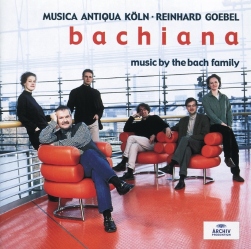
2
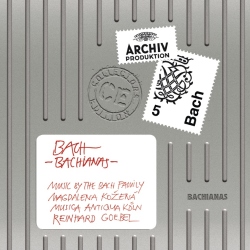
Battaglia - anno 1659 composed
Battaglia - anno 1659 composita, for 2 violins, 2 violas and basso continuo
7:8
Copyright Ⓒ 2013 Davinci Finger. All rights reseved
Service Terms & Policy