


Lloyd Thomas
Released Album
Band
-
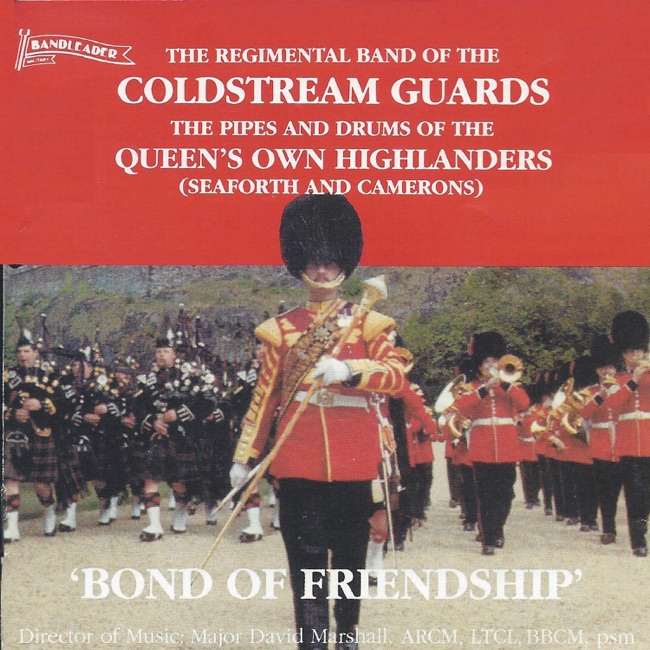 1992
1992
Orchestral
-
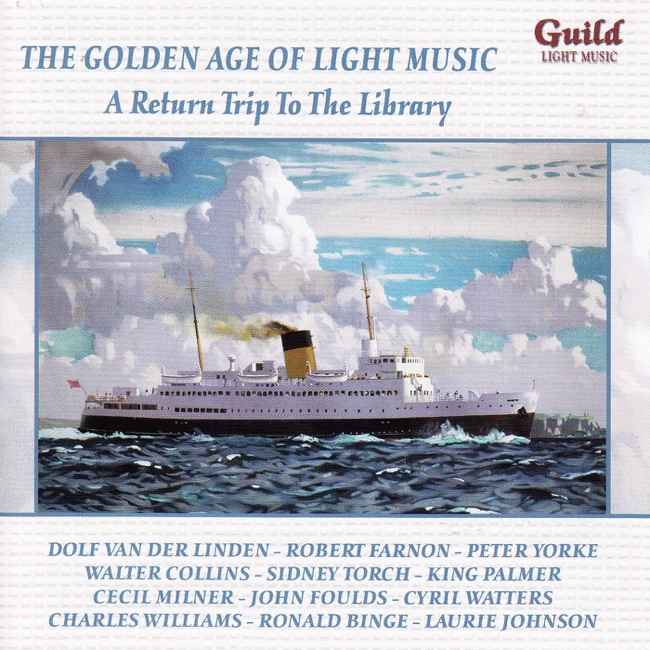 November 7, 2011
Artist Info
Role:ComposerGenre:BandOrchestralLloyd Thomas was a classical music composer who was born on May 12, 1929, in New York City. He grew up in a family of musicians, with his father being a jazz pianist and his mother a classical pianist. From a young age, Thomas showed a keen interest in music and began playing the piano at the age of five. Thomas received his formal music education at the Juilliard School in New York City, where he studied composition under the tutelage of Vincent Persichetti. He also studied piano with Rosina Lhévinne and conducting with Jean Morel. During his time at Juilliard, Thomas was awarded the prestigious Guggenheim Fellowship, which allowed him to travel to Europe and study with some of the leading composers of the time. After completing his studies at Juilliard, Thomas began his career as a composer, pianist, and conductor. He quickly gained recognition for his innovative and eclectic style, which blended elements of classical, jazz, and popular music. His compositions were characterized by their complex harmonies, intricate rhythms, and lush orchestration. One of Thomas's early works, the Piano Concerto No. 1, was premiered by the New York Philharmonic in 1955. The concerto was well-received by audiences and critics alike, and it established Thomas as a rising star in the classical music world. Over the next few years, Thomas continued to compose and perform, and he became known for his dynamic and engaging live performances. In 1960, Thomas was commissioned by the New York City Ballet to compose a new ballet score. The resulting work, titled "The Four Seasons," was a huge success and cemented Thomas's reputation as a composer of ballet music. The score was later adapted into a suite for orchestra, which has become one of Thomas's most popular works. Throughout the 1960s and 1970s, Thomas continued to compose and perform, and he became increasingly interested in incorporating electronic music into his compositions. He collaborated with the electronic music pioneer Robert Moog to create a series of works that blended traditional orchestration with electronic sounds and effects. One of Thomas's most ambitious works was the opera "The Tempest," which he composed in 1980. The opera was based on the play by William Shakespeare and featured a libretto by the renowned poet and playwright W.H. Auden. The opera was a critical success and was praised for its innovative use of electronic music and its powerful emotional impact. In addition to his work as a composer, Thomas was also a respected conductor and pianist. He conducted many of his own works and was known for his dynamic and expressive interpretations. He also performed as a solo pianist, and his recordings of works by Beethoven, Chopin, and Debussy are still highly regarded today. Thomas continued to compose and perform well into his later years, and he remained an influential figure in the classical music world until his death in 1995. His legacy as a composer and innovator continues to inspire new generations of musicians and composers, and his works remain an important part of the classical music canon.More....
Recent Artist Music
Copyright Ⓒ 2013 Davinci Finger. All rights reseved
Service Terms & Policy