


Friedrich Mergner
Released Album
Choral
-

-
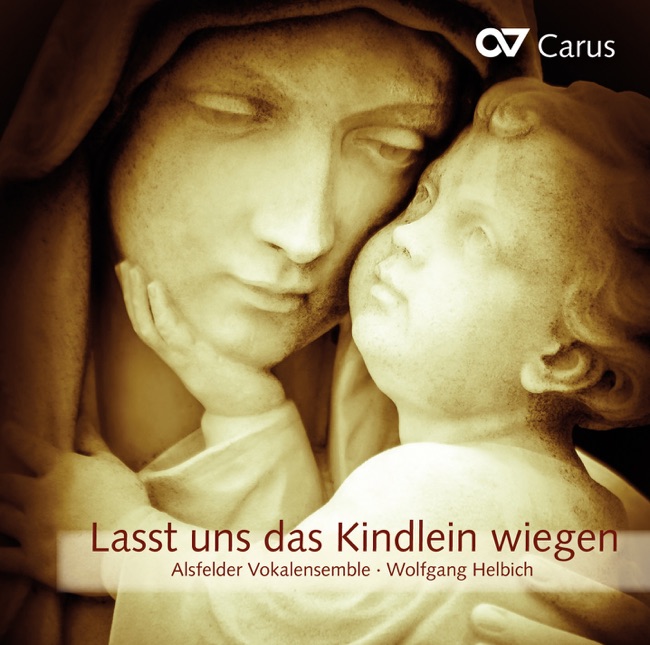 November 19, 2013
Artist Info
Role:ComposerBirth:1818Death:1891Genre:VocalFriedrich Mergner was a German composer of classical music who lived from 1882 to 1962. He was born in the town of Bayreuth, which is famous for its association with the composer Richard Wagner. Mergner's father was a musician who played in the orchestra at the Bayreuth Festival, and his mother was a singer. From a young age, Mergner showed a talent for music, and he began studying piano and composition at the age of six. Mergner's early musical education was focused on the works of the German Romantic composers, particularly Wagner and Brahms. He was also influenced by the music of Bach and Beethoven, and he studied their works extensively. Mergner's first compositions were written when he was still a teenager, and they showed a remarkable maturity and sophistication for someone so young. After completing his studies in Bayreuth, Mergner moved to Munich to continue his musical education. He studied with some of the leading composers of the time, including Max Reger and Richard Strauss. Mergner's style was heavily influenced by these composers, and he developed a reputation for writing music that was both complex and emotionally powerful. Mergner's early works were primarily for piano and chamber ensembles, but he soon began writing orchestral music as well. His first major orchestral work was a symphony that he composed when he was just 22 years old. The symphony was well-received by critics and established Mergner as a composer to watch. Over the next few years, Mergner continued to write music in a variety of genres, including opera, choral music, and chamber music. One of his most famous works from this period is his Piano Concerto No. 1, which was premiered in 1910. The concerto is a virtuosic showcase for the soloist, and it features Mergner's signature blend of Romantic lyricism and modernist harmonies. In the years leading up to World War I, Mergner's music became increasingly experimental. He began incorporating elements of atonality and dissonance into his compositions, which caused some controversy among audiences and critics. However, Mergner remained committed to exploring new musical ideas, and his music continued to evolve throughout his career. During World War I, Mergner served in the German army as a musician. He played in military bands and wrote music for propaganda films. After the war, he returned to Munich and resumed his career as a composer. He continued to write music in a variety of genres, but his output slowed down somewhat in the 1920s and 1930s. In 1933, the Nazi party came to power in Germany, and Mergner's life and career were greatly affected by the political situation. As a composer who had experimented with atonality and dissonance, Mergner was considered a "degenerate" artist by the Nazi regime. His music was banned from public performance, and he was forced to go into hiding to avoid persecution. Despite the difficult circumstances, Mergner continued to write music during this period. He composed several works that were never performed during his lifetime, including a second piano concerto and a string quartet. He also continued to teach music privately, and he mentored several young composers who would go on to have successful careers. After World War II, Mergner's music began to receive more attention from performers and audiences. His works were performed in concerts and festivals throughout Europe, and he was recognized as one of the leading composers of his generation.More....

Copyright Ⓒ 2013 Davinci Finger. All rights reseved
Service Terms & Policy